

Freight Forwarder in China to USA: Your Ultimate Shipping Guide
Shipping goods from China to the USA presents unique challenges, from navigating complex customs regulations to optimizing transit times and costs. Many businesses, therefore, seek a reliable partner to streamline their import operations. Fortunately, finding an experienced freight forwarder in China to USA can significantly simplify this intricate process, ensuring your cargo arrives safely and efficiently.
Why Do You Need a Freight Forwarder for China-USA Shipping?
Importing from China to the USA involves a multitude of logistical complexities. Consequently, businesses often find themselves overwhelmed by the paperwork, regulations, and coordination required. A professional freight forwarder acts as an intermediary, simplifying your supply chain and handling the intricate details.
Furthermore, an experienced freight forwarder possesses in-depth knowledge of international shipping laws, customs procedures, and optimal routes. They can leverage their network to secure competitive freight rates and ensure your goods move efficiently across borders. This expertise ultimately saves you time, money, and potential headaches.
Key Services Offered by a China to USA Freight Forwarder
A comprehensive freight forwarder offers a range of services designed to cover every aspect of your shipment. These services typically include freight booking, cargo consolidation, and documentation management. They aim to provide a complete, end-to-end logistics solution.
Moreover, they coordinate with various carriers, manage customs clearance, and arrange for final delivery. This integrated approach ensures a smooth transition of your goods from the Chinese factory floor to your US warehouse. Consider exploring customs brokerage services for seamless import compliance.
Understanding Shipping Methods: Sea vs. Air Freight
Choosing the right shipping method is paramount for balancing cost and speed when importing from China to the USA. Each option presents distinct advantages and limitations. Therefore, understanding these differences is crucial for making an informed decision.
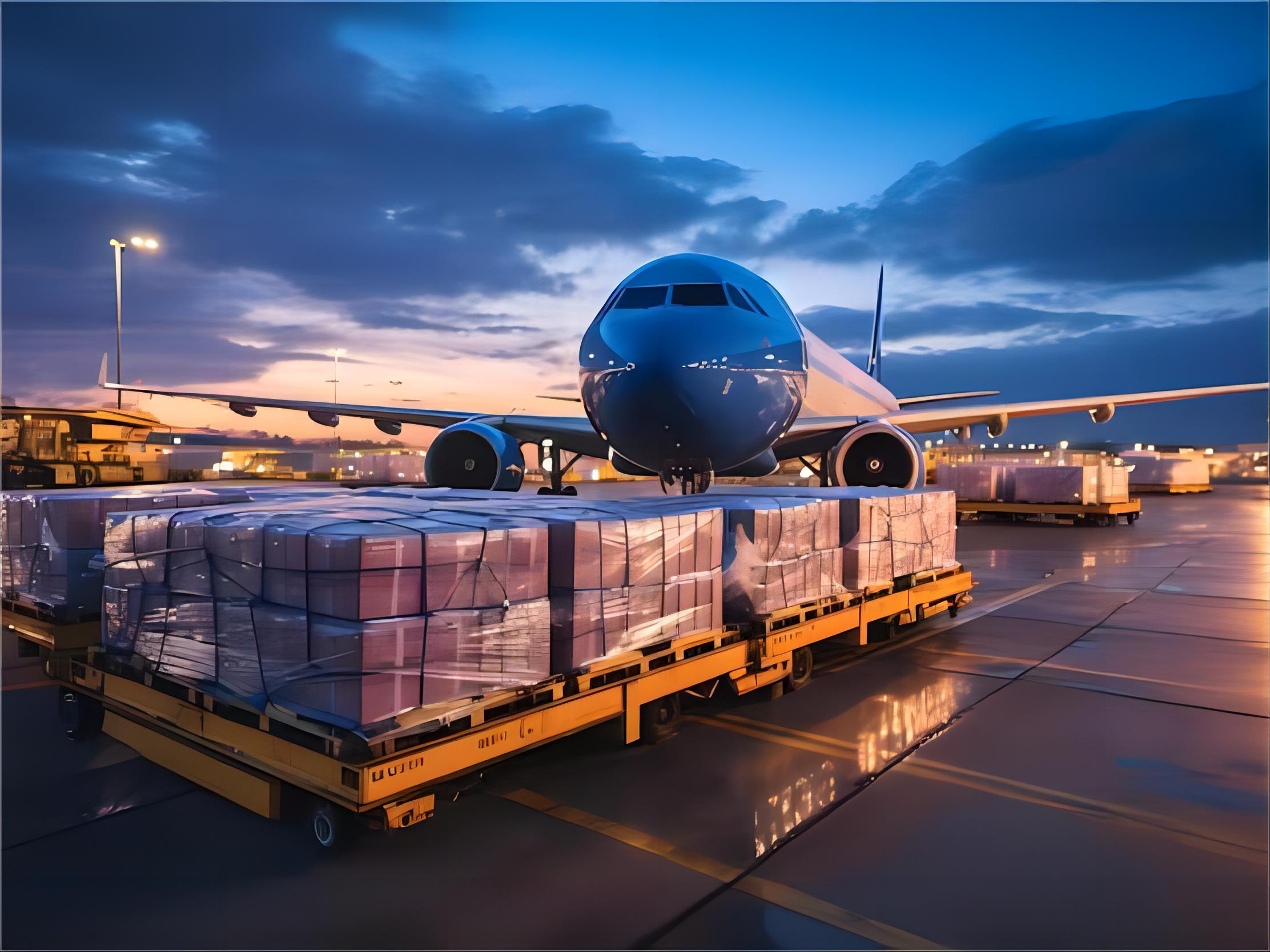
For instance, sea freight is typically the most economical choice for large volumes or heavy cargo. However, it involves longer transit times, often ranging from 14 to 35 days to US ports. Conversely, air freight offers significantly faster delivery, usually within 5-10 days, but at a much higher cost. This makes it ideal for urgent or high-value shipments.
| Shipping Method | Cost Range (per kg/CBM) | Transit Time | Best For | Limitations |
|---|---|---|---|---|
| Sea Freight (FCL/LCL) | $50-150/CBM or $2,500-6,000/container | 14-35 days | Large, heavy, non-urgent cargo | Slow, prone to delays |
| Air Freight | $4-8/kg (volume dependent) | 5-10 days | Urgent, high-value, smaller shipments | Expensive, size/weight restrictions |
How to Choose the Right Freight Forwarder in China to USA
Selecting an appropriate freight forwarder is a critical decision that impacts your entire supply chain. You should evaluate potential partners based on several key criteria. Firstly, look for extensive experience with the China-USA route, demonstrating their familiarity with specific regulations and logistics challenges.
Secondly, assess their communication capabilities and responsiveness. Clear and timely updates are vital for managing expectations and resolving issues. Thirdly, consider their range of services, such as door-to-door delivery, customs clearance, and cargo insurance. Lastly, always request transparent pricing to avoid hidden fees and ensure cost-effectiveness.
Navigating Customs and Documentation for US Imports
Importing goods into the USA requires meticulous attention to customs regulations and documentation. Importers must comply with various agencies, including US Customs and Border Protection (CBP) and other partner government agencies (PGAs). Therefore, proper documentation is essential to avoid delays and penalties.
Key documents typically include the commercial invoice, packing list, bill of lading or air waybill, and a customs bond. A reliable freight forwarder in China to USA will guide you through these requirements, ensuring all paperwork is accurately prepared and submitted. This proactive approach helps to expedite customs clearance and maintain compliance.
| Document | Purpose | Issued By | Notes |
|---|---|---|---|
| Commercial Invoice | Details of goods, value, and terms of sale | Seller/Exporter | Used for customs valuation and duties |
| Packing List | Itemizes contents of each package | Seller/Exporter | Assists customs in cargo inspection |
| Bill of Lading (B/L) | Contract of carriage for sea freight | Carrier/Forwarder | Proof of ownership, receipt of goods |
| Air Waybill (AWB) | Contract of carriage for air freight | Airline/Forwarder | Non-negotiable, receipt of goods |
| Customs Bond | Guarantees payment of duties and taxes | Importer/Broker | Required for imports over a certain value |
Case Study: Optimizing an E-commerce Shipment
This case illustrates how strategic planning can benefit small to medium-sized e-commerce businesses.
Based on Q3 2024 market rates, this approach balanced cost and speed effectively.
📦 Case Study 1: Efficient Apparel Import for Online Retailer
| Detail | Description |
|---|---|
| Route | Guangzhou, China Los Angeles, USA |
| Cargo | Fashion apparel, 12 CBM, 2,500 kg |
| Container | LCL 12 CBM |
| Shipping Details | Major carrier, Port of Loading: Shenzhen, Port of Discharge: Los Angeles, Route Type: Direct |
| Cost Breakdown | Ocean Freight: $1,200, Origin Charges: $350, Destination Charges: $400, Customs & Duties (estimated): $500, Total Landed Cost: $2,450 |
| Timeline | Booking to Loading: 3 days, Sea Transit: 18 days, Customs Clearance: 2 days, Total Door-to-Door: 25 days |
| Key Insight | Consolidating multiple small orders into LCL significantly reduced per-unit shipping costs for this growing online retailer. |
Case Study: Managing Large-Scale Industrial Equipment
This scenario highlights the complexities of handling oversized and high-value cargo.
Typical rates as of early 2025 reflect the stability after recent market fluctuations.
📦 Case Study 2: Heavy Machinery Import for Manufacturing Plant
| Detail | Description |
|---|---|
| Route | Shanghai, China Houston, USA |
| Cargo | Industrial processing unit, 40 CBM, 15,000 kg |
| Container | 1 x 40HQ |
| Shipping Details | COSCO, Port of Loading: Shanghai, Port of Discharge: Houston, Route Type: Transshipment via Busan |
| Cost Breakdown | Ocean Freight: $5,200, Origin Charges: $600, Destination Charges: $850, Customs & Duties (estimated): $1,500, Total Landed Cost: $8,150 |
| Timeline | Booking to Loading: 7 days, Sea Transit: 32 days, Customs Clearance: 3 days, Total Door-to-Door: 45 days |
| Key Insight | Careful planning for oversized cargo, including specialized handling at ports and a transshipment route, optimized costs for this large shipment. |
How Does Sea Freight Compare to Other Shipping Options?
While sea freight remains the backbone for most China-USA trade, other methods offer distinct advantages for specific needs. Understanding these alternatives is crucial for optimizing your logistics strategy. For example, considering a faster, albeit more expensive, option can be beneficial for time-sensitive inventory.
As of Q1 2025, freight rates have largely stabilized, but market conditions can still influence pricing significantly. Therefore, flexibility in choosing your shipping method can lead to considerable cost savings. Always discuss various options with your freight forwarder to find the best fit.
| Shipping Method | Cost Range | Transit Time | Best For | Limitations |
|---|---|---|---|---|
| FCL (Full Container Load) | $2,500-6,000 per container | 18-35 days | Large volumes, consistent shipments | Long transit, container availability |
| LCL (Less than Container Load) | $50-150 per CBM | 20-40 days | Smaller shipments, flexible volumes | Slightly longer transit than FCL, potential for delays |
| Air Freight | $4-8 per kg | 5-10 days | Urgent, high-value, samples | High cost, weight/size restrictions |
| Express Service | $8-15 per kg | 2-5 days | Very urgent, small packages, documents | Very high cost, strict weight limits |
Decision Framework: Which Shipping Option Should You Choose?
Determining the ideal shipping method depends heavily on your specific business priorities and cargo characteristics. Consider your budget, urgency, and the nature of the goods you are transporting. Moreover, a balanced approach often yields the best results.
Firstly, if **budget is your top priority** and time is less critical, FCL or LCL sea freight is usually the most economical. Secondly, for **speed priority**, especially for critical stock or product launches, air freight is indispensable. Thirdly, **cargo type considerations** play a role; hazardous materials or oversized items might require specialized sea freight solutions. Finally, assess **volume thresholds**; LCL is cost-effective up to about 15-20 CBM, beyond which FCL becomes more economical. For quick, small packages, express service is unparalleled.
Market Insights and Cost-Saving Strategies
The freight market from China to the USA is dynamic, influenced by global events, fuel prices, and seasonal demand. Staying informed about these trends is key to effective cost management. For example, rates typically increase 15-25% during the August-October peak season leading up to holidays.
To mitigate rising costs, consider several strategies. Firstly, booking in advance, especially during peak seasons, can help secure better rates. Secondly, exploring cargo consolidation options, even for larger shipments, can reduce overall expenses. Thirdly, utilizing a freight forwarder with strong carrier relationships can provide access to more favorable pricing. Finally, being flexible with transit times often unlocks more economical shipping solutions. Always get a current quote tailored to your specific shipment for accurate pricing, as freight rates are subject to change based on fuel costs, carrier capacity, and seasonal demand.

Your Trusted Partner for China-USA Shipping
Navigating the intricacies of international freight requires expertise, reliability, and a deep understanding of global logistics. Choosing the right freight forwarder in China to USA is not merely about moving goods; it’s about securing a strategic partner who can optimize your supply chain, manage risks, and ensure timely delivery.
By leveraging comprehensive services, understanding market dynamics, and making informed decisions about shipping methods, businesses can achieve significant efficiencies. Ultimately, a professional freight forwarder empowers you to expand your global reach with confidence and peace of mind.
Get Your Shipping Quote Today
Ready to simplify your international shipping from China to the USA? Contact us today for a personalized quote and discover how our expert services can streamline your supply chain. Let us handle the complexities so you can focus on your business growth.
Request Quote