

Freight Forwarders China to USA: Your Ultimate Guide
Navigating international shipping from China to the USA can be complex, involving numerous regulations, varied transit times, and fluctuating costs. Therefore, selecting reliable freight forwarders from China to USA is crucial for efficient supply chain management. This comprehensive guide will help you understand the intricacies of this vital trade route, ensuring your goods arrive safely and on time.
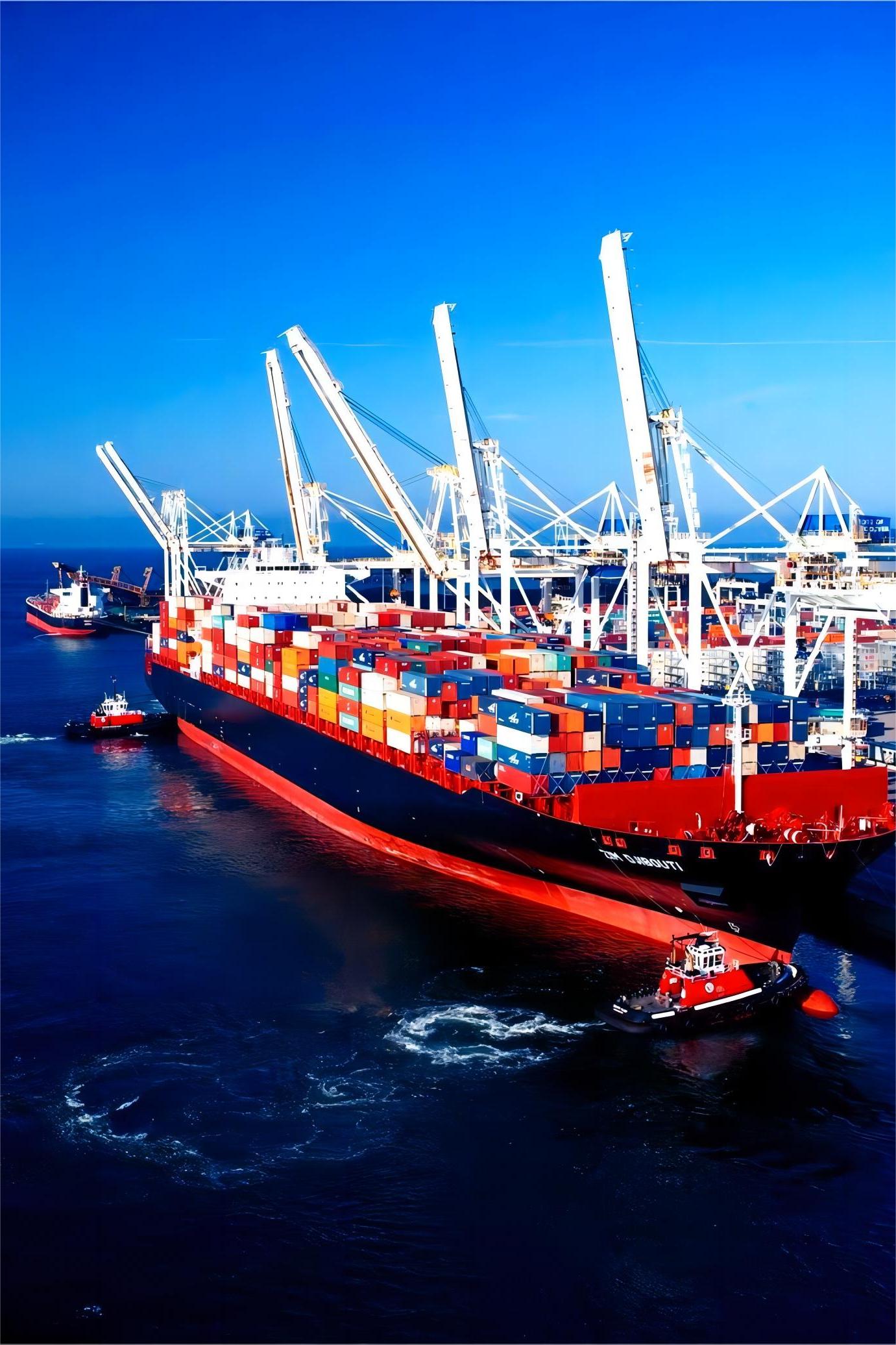
Why Are Freight Forwarders Essential for China to USA Shipping?
Shipping goods from China to the USA involves a complex logistical dance, from factory gates to your final destination. Indeed, freight forwarders act as intermediaries, managing the entire process on your behalf. They leverage their expertise and network to streamline operations.
Moreover, these professionals handle everything from booking cargo space and preparing documentation to navigating customs and arranging final delivery. Their comprehensive services are invaluable for businesses seeking efficient and compliant shipping from China to North America.
How Do Shipping Methods Compare for China to USA Routes?
When importing from China to the USA, understanding your shipping options is paramount. Each method offers distinct advantages in terms of cost, speed, and capacity. Therefore, choosing the right mode of transport directly impacts your budget and delivery schedule.
Consequently, businesses must weigh these factors carefully to optimize their logistics strategy. Factors like cargo type, urgency, and volume will dictate the most suitable choice.
Note: Freight rates are subject to change based on fuel costs, carrier capacity, and seasonal demand. Contact us for a current quote tailored to your specific shipment.
| Shipping Method | Cost Range (2024-2025) | Transit Time | Best For | Limitations |
|---|---|---|---|---|
| Sea Freight (FCL) | 40HQ: $2,800-$6,000 | 14-35 days | Large volumes, heavy goods, non-urgent shipments | Slowest, port congestion risks |
| Sea Freight (LCL) | $50-$100/CBM | 20-40 days | Smaller volumes (under 15 CBM), cost-sensitive | Longer transit due to consolidation, potential damage |
| Air Freight | $4-$8 per kg | 3-10 days | Urgent, high-value, perishable goods, samples | Most expensive, weight/volume restrictions |
| Express Service | $7-$15 per kg | 2-5 days | Very urgent, small parcels, documents | Highest cost, strict size/weight limits |
What are the Key Factors Influencing China to USA Shipping Costs?
Several variables contribute to the overall shipping costs from China to the USA. Understanding these factors helps businesses budget effectively and avoid unexpected expenses. For instance, the chosen shipping method significantly impacts the final price.
Furthermore, current market conditions, such as fuel surcharges and carrier capacity, play a substantial role. Peak seasons, like the run-up to holidays or Chinese New Year, often see rates increase by 15-25%. Therefore, planning shipments during off-peak times can lead to considerable savings.
Cost-Saving Strategies and Trade-offs
To manage shipping expenses, consider various strategies. Opting for sea freight is generally the most cost-effective for larger shipments, albeit with longer transit times. Conversely, air freight offers speed at a premium.
For shipments under 15 CBM, Less than Container Load (LCL) shipping can be more economical than a full container. However, it might involve additional handling and slightly extended transit times due to consolidation. Another option is a hybrid solution like sea-air, combining the lower cost of sea for the initial leg and air for the final, more urgent leg.

Navigating Customs and Documentation for Imports to the USA
Customs clearance is a critical step in importing goods from China to the USA. Improper documentation or non-compliance can lead to significant delays and penalties. Thus, working with experienced customs brokerage services is highly recommended.
Importers must provide accurate and complete paperwork, including commercial invoices, packing lists, and bills of lading. Additionally, understanding specific US import regulations, tariffs, and duties is essential for a smooth process. A reliable freight forwarder will guide you through these complexities.
| Document | Purpose | Required By | Notes |
|---|---|---|---|
| Commercial Invoice | Details of goods, value, seller/buyer | Customs, Buyer | Crucial for duties calculation |
| Packing List | Details of package contents, weights, dimensions | Customs, Carrier, Buyer | Aids in cargo handling and inspection |
| Bill of Lading (BOL)/Air Waybill (AWB) | Contract of carriage, title to goods | Carrier, Customs, Buyer | Proof of shipment, tracking |
| Certificate of Origin | Country of manufacture | Customs (for certain goods) | May affect duty rates |
| Import License/Permit | Required for specific regulated goods | Various US agencies | e.g., FDA, FCC, USDA |
Which Option Should You Choose: Sea, Air, or Express?
Deciding between sea, air, or express shipping depends heavily on your specific business needs and priorities. Each method presents a unique set of advantages and disadvantages. Consequently, a well-informed decision can optimize your supply chain.
Consider the following criteria to determine the best approach for your imports. Balancing speed, cost, and cargo requirements is key to effective logistics from China to the USA.
Budget Priority
If cost is your primary concern, sea freight is almost always the most economical choice. It is ideal for large, heavy, or bulky shipments where transit time is not critical. For example, a 40HQ container via sea freight to the USA East Coast might cost $4,500-$6,000, while air freight for the same volume would be significantly higher.

Speed Priority
When speed is of the essence, air freight or express services are indispensable. Air freight typically delivers in 3-10 days, perfect for urgent orders or high-value items. Express services, such as those offered by major carriers, provide even faster door-to-door delivery within 2-5 days for smaller packages.
This speed comes at a higher price, but for time-sensitive products or critical components, the investment is justified. For instance, sending samples or prototypes often utilizes express shipping.
Cargo Type and Volume Considerations
The nature and volume of your cargo significantly influence the best shipping method. Large quantities of durable goods, like furniture or machinery, are best suited for FCL (Full Container Load) sea freight. Smaller volumes, especially those under 15 CBM, might benefit from LCL sea freight for cost efficiency.
For delicate, perishable, or high-value electronics, air freight offers faster transit and often better handling, reducing risk. Moreover, specialized services like Amazon FBA shipping often combine elements of sea or air freight with specific last-mile delivery to Amazon warehouses.
Case Studies: Real-World China to USA Shipping Scenarios
Understanding theoretical options is one thing, but seeing real-world examples provides valuable insight. These case studies illustrate practical shipping solutions from China to the USA, highlighting typical costs, transit times, and challenges. They offer a tangible look at effective logistics solutions.
Based on Q3 2024 market rates, these scenarios reflect common shipping patterns. They demonstrate how different factors influence the choice of freight forwarders China to USA.
Case Study 1: Small Business Importing Textiles (LCL Sea Freight)
| Detail | Description |
|---|---|
| Route | Shanghai, China Los Angeles, USA |
| Cargo | Textiles (clothing), 8 CBM, 1,200 kg |
| Container | LCL 8 CBM |
| Shipping Details | Major carrier, Port of Loading: Shanghai, Port of Discharge: Los Angeles, Route Type: Direct |
| Cost Breakdown | Ocean Freight: $640, Origin Charges: $250, Destination Charges: $200, Customs & Duties (estimated): $350, Total Landed Cost: $1,440 |
| Timeline | Booking to Loading: 5 days, Sea Transit: 16 days, Customs Clearance: 3 days, Total Door-to-Door: 24 days |
| Key Insight | LCL was cost-effective for this smaller volume, but required careful consolidation planning to avoid delays. The direct route to the West Coast expedited transit. |
Case Study 2: Electronics Manufacturer (FCL Sea Freight)
| Detail | Description |
|---|---|
| Route | Ningbo, China New York, USA |
| Cargo | Consumer electronics, 58 CBM, 9,000 kg |
| Container | 40HQ |
| Shipping Details | Major carrier, Port of Loading: Ningbo, Port of Discharge: New York, Route Type: Transshipment via Busan |
| Cost Breakdown | Ocean Freight: $4,800, Origin Charges: $400, Destination Charges: $550, Customs & Duties (estimated): $1,500, Total Landed Cost: $7,250 |
| Timeline | Booking to Loading: 7 days, Sea Transit: 32 days, Customs Clearance: 4 days, Total Door-to-Door: 43 days |
| Key Insight | Utilizing a 40HQ container provided excellent per-unit cost efficiency. The transshipment added a few days but secured a better rate during a busy period. |
Case Study 3: Urgent Medical Supplies (Air Freight)
| Detail | Description |
|---|---|
| Route | Shenzhen, China Chicago, USA |
| Cargo | Medical masks and gloves, 3 CBM, 450 kg |
| Container | Air Cargo |
| Shipping Details | Major airline, Port of Loading: Shenzhen Airport, Port of Discharge: Chicago O’Hare, Route Type: Direct Air Cargo |
| Cost Breakdown | Air Freight: $2,700, Origin Charges: $150, Destination Charges: $100, Customs & Duties (estimated): $200, Total Landed Cost: $3,150 |
| Timeline | Booking to Loading: 2 days, Air Transit: 4 days, Customs Clearance: 1 day, Total Door-to-Door: 7 days |
| Key Insight | Air freight was essential for the time-sensitive nature of the medical supplies. The higher per-unit cost was justified by the rapid delivery and minimal inventory holding costs. |

How Do Freight Forwarders Manage End-to-End Logistics?
Professional freight forwarders from China to USA offer comprehensive door to door services, simplifying the entire shipping process for clients. This integrated approach covers every stage, from pickup at the supplier’s factory to delivery at your warehouse. Consequently, it minimizes the administrative burden on importers.
A key advantage is centralized coordination, which reduces potential communication gaps and delays. Furthermore, they provide transparent tracking and proactive communication, keeping you informed at every step. This complete service ensures a smooth and predictable supply chain.
Choosing the Right Freight Forwarder: What to Look For?
Selecting the ideal freight forwarder for your China to USA shipments is a critical business decision. A competent partner can significantly enhance your operational efficiency and reduce costs. Therefore, consider several key attributes when making your choice.
Look for a forwarder with extensive experience on the China-USA route, a strong network of carriers, and a deep understanding of both countries’ customs regulations. Additionally, transparent pricing, excellent communication, and specialized services like express service or FBA expertise are valuable indicators of reliability.
Seamless Shipping with Expert Freight Forwarders from China to USA
In conclusion, navigating the complexities of international shipping from China to the USA demands expertise and meticulous planning. Partnering with experienced freight forwarders from China to USA simplifies the entire process. They offer tailored solutions, manage documentation, and ensure timely delivery.
By understanding the various shipping methods, cost factors, and customs requirements, businesses can make informed decisions. Ultimately, this leads to a more efficient, cost-effective, and reliable supply chain. Choose a forwarder who acts as a true extension of your business.
Need a tailored shipping solution?
Ready to optimize your shipping from China to the USA? Our expert freight forwarders are here to provide tailored logistics solutions. Contact us today for a personalized quote and let us streamline your supply chain.