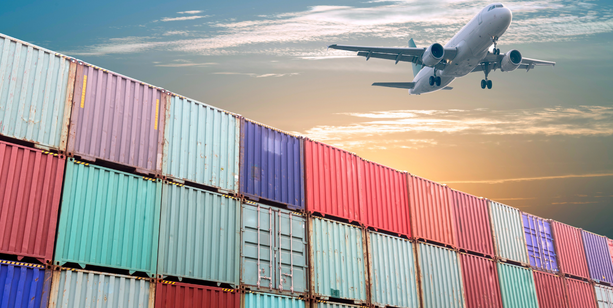
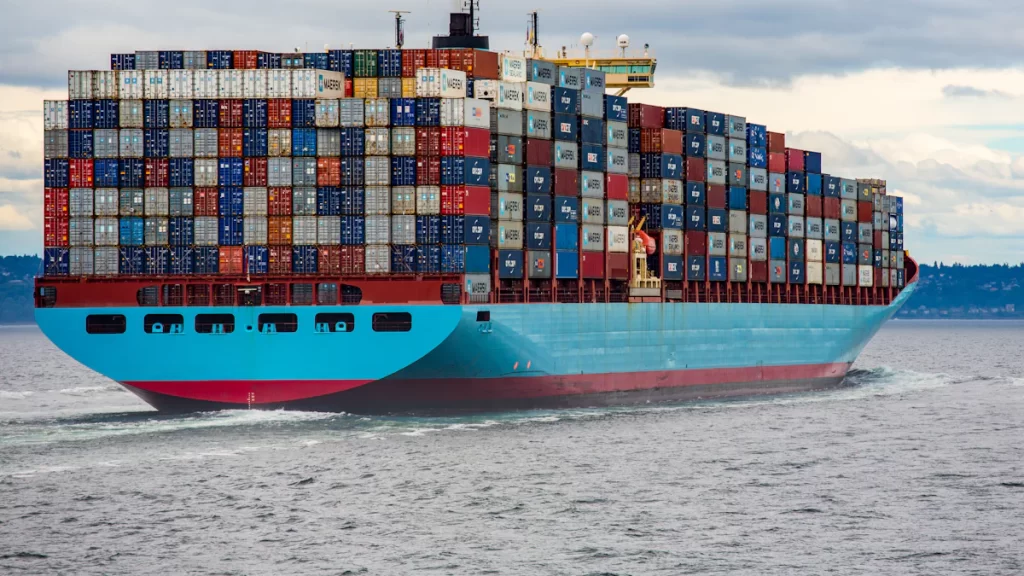
Freight forwarders act as logistics partners. They book cargo space, negotiate shipping rates, prepare customs documents, and coordinate door-to-door services from Chinese factories to global destinations.
2. Why Should Businesses Use Freight Forwarders in China?
Expertise in navigating customs compliance
Competitive access to global carriers
Consolidation for smaller shipments
Real-time tracking and route optimization
3. What Shipping Options Do Chinese Freight Forwarders Offer?
Method
Best For
Transit Time
Pros
Cons
Air Freight
Urgent, valuable goods
5–10 days
Fast, reliable
Expensive
Sea Freight
Bulk, heavy shipments
25–40 days
Lowest unit cost
Slow
Courier
Small, urgent parcels
3–7 days
Door-to-door convenience
High cost per kg
4. How Much Does Freight from China Cost?
Costs vary based on cargo size, method, and destination.
5. How Do Freight Forwarders Manage Customs Clearance?
Freight forwarders in China prepare customs declarations, pay duties, and arrange inspections. This ensures compliance, prevents costly delays, and avoids shipment confiscation risks.
6. What Documents Are Needed to Ship from China?
Document
Purpose
Commercial Invoice
Declares product value and details
Packing List
Confirms weight and dimensions
Bill of Lading / AWB
Transport contract with carrier
Customs Declaration
Clearance for exports and imports
Certificates (if required)
For special goods like chemicals
7. How to Select the Best Freight Forwarders in China?
Evaluate years of industry experience
Check service coverage (air, sea, courier)
Ensure digital tracking availability
Compare pricing transparency and reliability
8. Should You Choose Air or Sea Freight from China?
Factor
Air Freight
Sea Freight
Speed
5–10 days
25–40 days
Cost
Higher per kilogram
Lower per container
Best For
Urgent, lightweight cargo
Heavy, bulk shipments
Risk
Low damage risk
Higher delays possible
9. Do Freight Forwarders in China Support Small Businesses?
Yes. They offer LCL services, courier solutions, and flexible shipping rates, helping e-commerce sellers and SMEs manage logistics without massive upfront costs.
10. What Are the Latest Logistics Trends in China?
Digital freight platforms offering instant quotes
Increasing demand for express courier due to e-commerce
Growth of smart warehouses and AI-driven logistics
Sustainability initiatives in shipping routes
Final Thoughts
Reliable freight forwarders in China are indispensable for businesses shipping internationally. They simplify logistics, reduce costs, and ensure compliance with customs. By partnering with experienced forwarders, businesses gain efficiency and confidence in their global trade operations.