

Choosing the right freight forwarding agent in China can make or break your international shipping strategy. Importers face challenges such as fluctuating shipping costs, customs delays, and complex logistics. However, working with a reliable freight forwarder ensures smooth supply chain management, whether you prefer sea freight, air freight, courier services, or rail transport.
Why Do You Need a Freight Forwarding Agent in China?
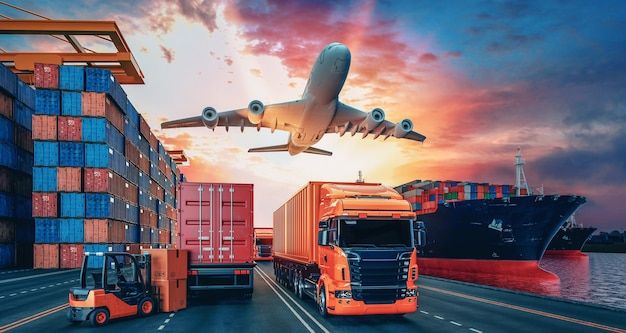
A freight forwarding agent in China acts as your logistics partner, handling transport booking, documentation, and customs. Additionally, they negotiate better carrier rates and offer warehousing, ensuring your goods move efficiently from factory to destination.
What Services Do Chinese Freight Forwarders Offer?
- Sea Freight (FCL/LCL) – Full containers or consolidated loads.
- Air Freight – Fast transit for urgent goods.
- Courier Services – DHL, UPS, FedEx for small parcels.
- Rail Freight – From China to Europe or South Asia.
- Customs Clearance – Handling import/export documentation.
- Warehousing & Consolidation – Grouping shipments to cut costs.
- Door-to-Door Services – Pickup in China, delivery abroad.
How Much Does Shipping Cost with a Freight Forwarding Agent in China?
| Shipping Method | Average Cost | Transit Time | Best For | Pros | Cons |
|---|---|---|---|---|---|
| Express Courier | $8–$14/kg | 3–7 days | E-commerce parcels | Fast, easy customs | Expensive |
| Air Freight | $5–$8/kg | 5–10 days | Urgent cargo 100–500kg | Reliable, secure | Higher cost |
| Sea Freight (LCL) | $40–$70/m³ | 18–28 days | Small-medium loads | Low cost | Slower |
| Sea Freight (FCL 20ft) | $1,200–$1,800 | 18–28 days | Bulk shipments | Economical per unit | Requires volume |
| Rail Freight | $2,000–$3,500/40ft | 15–22 days | Europe & Asia | Balance speed & cost | Route limits |
What are you waiting for?
Contact TJ China Freight for a fast, free quote.
Are you ready to book?
Access live instant freight quotes
Which Documents Are Required for Shipping from China?
| Document | Purpose |
|---|---|
| Commercial Invoice | Lists goods & value |
| Packing List | Specifies package details |
| Bill of Lading / Airway Bill | Proof of shipment |
| Certificate of Origin | For customs duty calculation |
| Import License (if needed) | Required for restricted goods |
| Insurance Certificate | Covers cargo value |
How Do You Choose the Right Freight Forwarding Agent in China?
- Check industry experience – Agents with 10+ years usually handle complex routes better.
- Verify licenses & accreditations – Look for FIATA, NVOCC, or IATA membership.
- Compare rates transparently – Avoid hidden fees.
- Look for specialization – Some forwarders focus on air cargo, others on sea.
- Evaluate customer service – Responsive communication is critical for problem-solving.
Should You Use Air or Sea Freight from China?
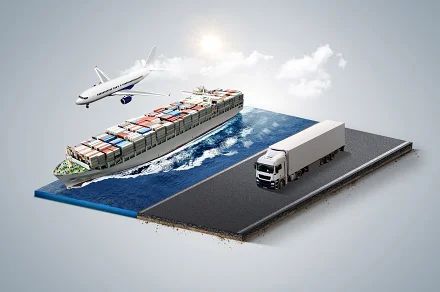
| Factor | Air Freight | Sea Freight |
|---|---|---|
| Cost | Higher per kg | Lower per unit |
| Transit Time | 5–10 days | 18–28 days |
| Cargo Size | 50–500 kg | 5 CBM – Full Container |
| Customs Risk | Higher inspections | Fewer inspections |
| Best Use | Electronics, urgent cargo | Furniture, bulk goods |
What Are the Benefits of Working with Local Chinese Forwarders?
- Direct coordination with factories and suppliers.
- Better access to regional shipping lines.
- Cost savings through local carrier contracts.
- Faster problem resolution due to on-ground presence.
- Warehousing in major ports like Shenzhen, Guangzhou, Ningbo, and Shanghai.
How Do Transit Times Compare by Destination?
| Destination | Air Freight | Sea Freight | Rail Freight |
|---|---|---|---|
| USA (West Coast) | 5–7 days | 18–25 days | N/A |
| USA (East Coast) | 6–10 days | 25–32 days | N/A |
| Europe (Germany) | 5–8 days | 25–30 days | 15–20 days |
| Middle East (UAE) | 4–7 days | 18–24 days | N/A |
| South Asia (India) | 4–6 days | 10–15 days | N/A |
| Africa (Nigeria) | 6–9 days | 30–40 days | N/A |
Pros and Cons of Using a Freight Forwarding Agent in China
| Pros | Cons |
|---|---|
| Access to lower freight rates | Requires careful vetting |
| Handles customs paperwork | May charge handling fees |
| Manages warehousing & consolidation | Service quality varies |
| Provides door-to-door solutions | Language barriers with smaller agents |
How Do Freight Forwarders Simplify Customs?
- Pre-checking HS codes and tariff classifications.
- Advising on restricted goods.
- Calculating duties and VAT upfront.
- Filing clearance electronically to avoid port delays.
- Offering Delivered Duty Paid (DDP) options for hassle-free delivery.
Can Small Businesses Benefit from Freight Forwarding Agents?
Yes. Many forwarders specialize in LCL shipments or courier services, making them ideal partners for SMEs and Amazon FBA sellers. Moreover, consolidation services allow businesses to ship smaller loads while still enjoying competitive rates.
How to Reduce Shipping Costs with Chinese Freight Forwarders?
- Ship off-peak to avoid seasonal surcharges.
- Consolidate multiple supplier orders into one container.
- Use sea freight for non-urgent bulk cargo.
- Negotiate annual contracts for stable pricing.
- Choose FCL over LCL when volume allows.
Final Thoughts
Finding the right freight forwarding agent in China is critical for successful international trade. From booking containers to handling customs and warehousing, forwarders simplify logistics while cutting costs. Moreover, they provide tailored solutions whether you ship via air, sea, courier, or rail freight. By choosing an experienced and reliable partner, businesses can ensure faster transit, reduced risk, and improved supply chain efficiency.
FAQ
1. Do freight forwarders in China provide insurance?
Yes. Most forwarders offer cargo insurance to protect against loss, theft, or damage during international transport. It is recommended for high-value shipments.
2. Can a freight forwarding agent handle door-to-door delivery?
Yes. Many agents provide DDP (Delivered Duty Paid) or DDU (Delivered Duty Unpaid) services for end-to-end logistics.
3. Are freight forwarders responsible for customs delays?
No. While they prepare documents, customs authorities control clearance speed. However, experienced agents minimize risks by ensuring compliance.
4. Do forwarders work with e-commerce sellers?
Yes. Many specialize in Amazon FBA and e-commerce logistics, offering labeling, repacking, and direct delivery to fulfillment centers.
5. Can I choose my own shipping line through a forwarder?
Yes. Forwarders typically present multiple carrier options. You can select based on budget, transit time, and reliability.
6. How do forwarders charge for LCL shipments?
Charges are based on cubic meters (CBM) of cargo space used, plus handling fees. Weight also affects cost if heavy.