

- By carlie tj
- October 23, 2025
- Tips or Guide, Transport
When it comes to freight forwarding China to Europe, businesses face complex choices of cost, speed, and compliance. That’s why experienced partners like China Top Freight simplify shipping through tailored logistics solutions, helping importers reduce costs and avoid customs delays.
1. What Is Freight Forwarding China to Europe?
Freight forwarding is the process of planning, coordinating, and transporting goods from China to European markets. It covers multiple steps, including booking carriers, handling customs clearance, arranging warehousing, and ensuring on-time delivery. Because China is a global manufacturing hub, demand for seamless freight forwarding to Europe is constantly growing.
2. Why Choose Professional Freight Forwarding Services?
Many importers underestimate the complexity of shipping from China to Europe. However, professional freight forwarders handle:
- International documentation and customs regulations
- Negotiating lower freight rates with carriers
- Route optimization for faster delivery
- Consolidation for LCL (less-than-container load) shipments
This expertise ensures a smoother supply chain with fewer disruptions.
3. What Shipping Methods Are Available from China to Europe?
Businesses can choose between air freight, sea freight, rail freight, and express couriers. Each option varies by cost, transit time, and cargo suitability.
| Shipping Method | Average Transit Time | Cost Level | Best For | Pros | Cons |
|---|---|---|---|---|---|
| Air Freight | 5–10 days | High | Urgent cargo, electronics, fashion | Fast & secure | Expensive, limited volume |
| Sea Freight (FCL/LCL) | 30–40 days | Low | Bulk goods, heavy cargo | Cheapest per unit | Slow, port congestion risk |
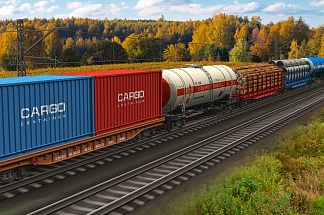
| Rail Freight | 18–25 days | Medium | Automotive parts, consumer goods | Balanced speed & cost | Limited routes, seasonal delays |
| Express Courier | 3–7 days | Very High | Small parcels, samples, e-commerce | Door-to-door, quick | High cost per kilo |
4. How Much Does Freight Forwarding from China to Europe Cost?
Freight costs depend on shipment size, destination port, and transport mode.
| Cargo Type | Estimated Cost (USD) | Transit Time | Notes |
|---|---|---|---|
| 20ft FCL Sea Freight | $2,000–$3,200 | 30–40 days | Cheapest for bulk |
| 40ft FCL Sea Freight | $3,600–$5,800 | 30–40 days | Economical for large cargo |
| LCL Sea Freight | $80–$120 per CBM | 35–45 days | Best for smaller loads |
| Rail Freight (per CBM) | $120–$180 | 18–25 days | Balance between air & sea |
| Air Freight | $5–$8 per kg | 5–10 days | Ideal for urgent cargo |
5. How Long Does Shipping from China to Europe Take?
Transit times vary depending on the route:
- Sea Freight: 30–40 days via major ports such as Shanghai to Rotterdam, Hamburg, or Antwerp.
- Rail Freight: 18–25 days through the China–Europe Railway (e.g., Shenzhen to Duisburg).
- Air Freight: 5–10 days to London, Paris, or Frankfurt.
- Express: 3–7 days for small parcels.
6. What Documents Are Required for Customs Clearance in Europe?
Smooth customs clearance is critical for avoiding penalties and delays.
Common documents include:
- Bill of Lading (B/L) or Air Waybill (AWB)
- Commercial Invoice
- Packing List
- Importer’s VAT and EORI number
- Certificate of Origin (where required)
- Product-specific licenses or certifications
Additionally, EU customs authorities often require safety and compliance certificates for sensitive products.
7.Conclusion
Freight forwarding China to Europe is a critical link in global supply chains. By choosing the right mode—air, sea, rail, or express—and working with professional partners, importers can reduce costs, shorten transit times, and ensure compliance with EU regulations. As trade grows, aligning with experienced freight forwarders like China Top Freight remains the best strategy to keep shipments efficient, reliable, and competitive.
8. Request a Quote
China Top Freight offers:
- ✅ Origin and Destination Countries
- ✅ Cargo Type and Volume
- ✅ Preferred Transport Method (Air, Sea, Rail, Road)
- ✅ Delivery Timeline
- ✅ Special Handling Requirements (if any)
9. FAQ
Q1. What is the cheapest shipping method from China to Europe?
Sea freight FCL is usually the cheapest, especially for bulk cargo, though it takes longer compared to rail or air freight.
Q2. How do I choose between air freight and rail freight?
Consider urgency and budget. Air freight is faster but costly, while rail freight offers balance between cost and delivery speed.
Q3. Can small businesses use freight forwarding services?
Yes, small businesses benefit from LCL options, consolidation, and customs support, ensuring cost-effective and reliable transport solutions.
Q4. Which European ports are most commonly used for imports from China?
Rotterdam, Hamburg, and Antwerp are key entry points, offering strong connections for distribution across Europe’s major markets.
Q5. What factors affect freight costs from China to Europe?
Cargo volume, weight, transport mode, season, and destination all impact freight costs, making rate negotiation with forwarders important.