

Freight Forwarding China to France: Your Ultimate Shipping Guide
Shipping goods from China to France involves complex logistics, demanding careful planning and execution. Consequently, businesses often face challenges with transit times, customs regulations, and fluctuating freight costs. This comprehensive guide aims to simplify the process, offering insights into efficient freight forwarding from China to France for a seamless supply chain.

What Are the Primary Shipping Methods from China to France?
When considering freight forwarding China to France, several primary shipping methods are available, each with distinct advantages and disadvantages. Your choice will largely depend on factors like urgency, cargo volume, and budget constraints. Understanding these options is crucial for optimizing your logistics strategy.

For instance, sea freight remains the most economical choice for bulk goods, while air freight offers unparalleled speed for urgent shipments. Rail freight presents a balanced alternative, combining reasonable speed with cost-effectiveness. Therefore, evaluating your specific needs is the first step in selecting the best transport mode.
| Shipping Method | Cost Range (per kg/CBM) | Transit Time | Best For | Limitations |
|---|---|---|---|---|
| Sea Freight (FCL/LCL) | Low ($0.05-$0.15/kg) | 28-40 days | Large, heavy, non-urgent goods | Slow, potential port congestion |
| Rail Freight | Medium ($0.10-$0.25/kg) | 18-25 days | Medium urgency, balanced cost | Limited capacity, specific routes |
| Air Freight | High ($4.00-$8.00/kg) | 5-10 days | Urgent, high-value, perishable goods | Expensive, volume/weight restrictions |
How Does Sea Freight from China to France Work?
Sea freight is the backbone of international trade for its cost-efficiency, especially for large volumes. Consequently, it is the most common method for freight forwarding China to France. You can choose between Full Container Load (FCL) or Less than Container Load (LCL) depending on your shipment size.
FCL involves reserving an entire container, offering dedicated space and faster transit compared to LCL. Conversely, LCL consolidates multiple smaller shipments into one container, which can be more economical but may incur longer transit times due to consolidation and deconsolidation processes. Sea freight services typically depart from major Chinese ports like Shanghai, Ningbo, and Shenzhen, arriving at French ports such as Le Havre or Marseille.
Is Rail Freight a Viable Option for Shipping to France?
Indeed, rail freight has emerged as a robust and increasingly popular alternative for freight forwarding China to France. This method strikes an excellent balance between the speed of air freight and the cost-effectiveness of sea freight. Consequently, it offers a compelling option for many businesses.
The New Silk Road railway network connects major Chinese cities directly to European hubs, including destinations in France. Rail freight transit times are significantly faster than sea freight, typically ranging from 18 to 25 days door-to-door. Moreover, it is generally more environmentally friendly than air transport, making it an attractive choice for sustainable supply chains.
When Should You Consider Air Freight from China to France?
Air freight is the fastest method for freight forwarding China to France, ideal for time-sensitive, high-value, or perishable goods. Although it is the most expensive option, the speed often justifies the higher cost for urgent shipments. Therefore, it plays a critical role in certain supply chains.
Typically, air freight can deliver goods from major Chinese airports like Shanghai Pudong (PVG) or Guangzhou Baiyun (CAN) to Paris Charles de Gaulle (CDG) or Lyon Saint-Exupéry (LYS) within 5 to 10 days. This rapid transit time minimizes inventory holding costs and helps meet tight deadlines. However, cargo handling for air shipments requires specific packaging and documentation due to strict airline regulations.
What are the Key Customs Clearance Requirements for France?
Navigating customs clearance is a critical step in freight forwarding China to France. Proper documentation is essential to avoid delays and additional costs. Consequently, understanding the requirements beforehand is paramount for smooth import/export operations.
French customs demand precise paperwork for all incoming goods. Furthermore, all shipments must comply with EU import regulations. A skilled customs brokerage service can significantly streamline this process. Ensuring accurate declarations and classifications is vital to prevent penalties.
| Document | Purpose | Notes |
|---|---|---|
| Commercial Invoice | Details of goods, value, seller/buyer | Crucial for customs valuation and duties |
| Packing List | Itemized list of contents, weights, dimensions | Helps customs verify cargo and for handling |
| Bill of Lading (B/L) / Air Waybill (AWB) | Contract of carriage, title to goods | Proof of shipment and ownership |
| Certificate of Origin | Confirms country of manufacture | May be required for preferential tariffs |
| Import License/Permit | Required for restricted goods | Check specific product regulations |
| Insurance Certificate | Proof of cargo insurance | Recommended for risk mitigation |
How Does Door-to-Door Shipping Simplify Your Logistics?
A door-to-door service offers a comprehensive logistics solution, managing your shipment from the supplier’s factory in China directly to your final destination in France. This integrated approach minimizes your involvement in complex logistics. Consequently, it frees up your time and resources.
This service typically covers all stages, including pickup, main transport (sea, air, or rail), customs clearance, and final delivery. Hence, it provides a single point of contact and simplified billing. Opting for door-to-door freight forwarding China to France can significantly reduce administrative burdens and potential coordination errors across multiple vendors.

How Does Freight Forwarding China to France Compare to Other Shipping Options?
Choosing the right shipping method involves more than just looking at base costs; it requires a holistic view of your supply chain. Compared to other routes or simpler domestic shipping, international freight forwarding to France presents unique complexities. Therefore, a detailed comparison of methods is essential.
While sea freight offers the lowest cost per unit, its extended transit time means higher inventory holding costs. Conversely, air freight is rapid but significantly more expensive, impacting your overall product pricing. Rail freight, a growing alternative, balances these factors, providing a middle ground for speed and cost. For example, for shipments under 15 CBM, LCL at $50-80/CBM may be more economical than a full container, yet direct routes can save 5-7 days compared to transshipment via major hubs like Rotterdam.
| Shipping Method | Cost Range (40HQ / 1000kg Air) | Transit Time (Port-to-Port) | Best For | Limitations |
|---|---|---|---|---|
| Sea Freight (FCL) | $2,800 – $4,200 | 28 – 35 days | Bulk goods, lowest cost | Slow, susceptible to port delays |
| Sea Freight (LCL) | $50 – $80/CBM | 35 – 45 days | Small volumes, budget-friendly | Longer transit, potential for damage |
| Rail Freight | $6,000 – $9,000 (for 40HQ) | 18 – 25 days | Balanced speed and cost | Route limitations, less flexible |
| Air Freight | $4,000 – $8,000 (for 1000kg) | 5 – 10 days | Highest cost, urgent, high-value, small cargo | Highest cost, weight/volume limits |
Which Freight Option Should You Choose for Your Shipments?
Deciding on the optimal freight forwarding China to France strategy depends heavily on your specific business priorities. Different scenarios call for different solutions. Therefore, a clear decision framework can guide your choice.
If your primary concern is budget, sea freight (especially LCL for smaller volumes) is undoubtedly the most economical. When speed is paramount, particularly for time-sensitive products or urgent resupply, air freight is the only option. For a balance of reasonable speed and cost, rail freight offers a compelling solution, especially for regular shipments.
Consider cargo type: fragile or high-value goods might benefit from the quicker, less handled transit of air or rail, while durable, non-perishable items are perfect for sea. Volume thresholds also play a role; for instance, if your cargo exceeds 15 CBM, FCL sea freight often becomes more cost-effective than LCL. Hybrid solutions, combining sea-rail or air-rail, can also offer tailored benefits, optimizing both speed and cost for specific legs of the journey. Always factor in potential port congestion and customs delays when planning your delivery schedule.
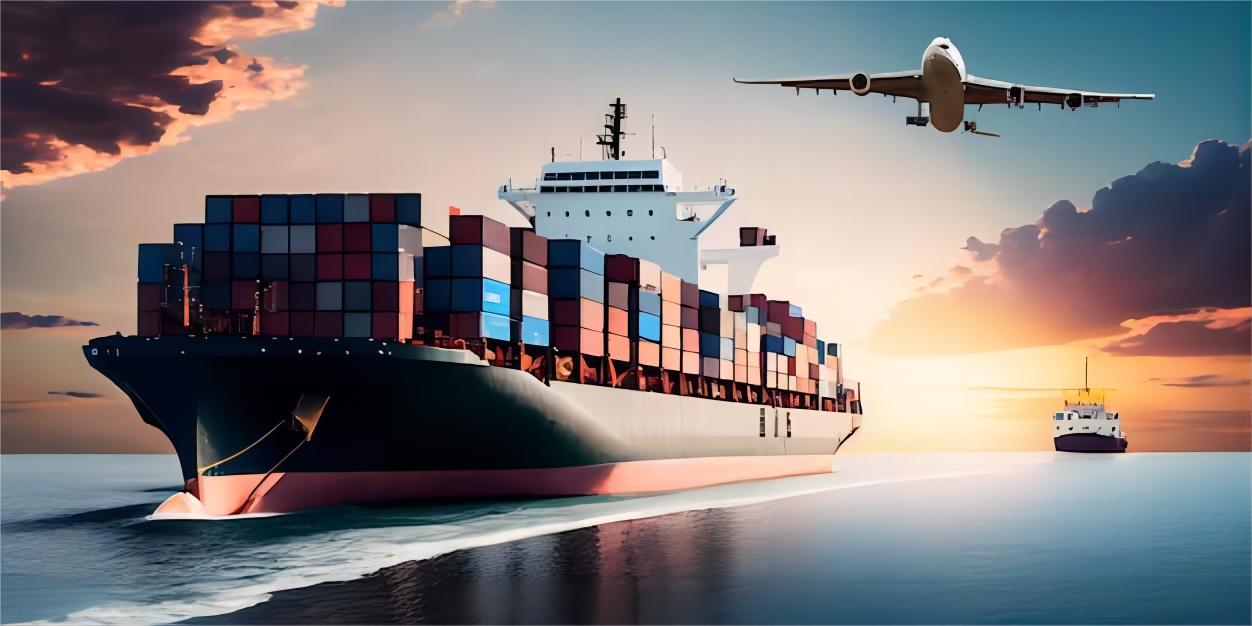
Real-World Scenarios: Freight Forwarding China to France
To illustrate the practical application of these shipping methods, let’s examine a few real-world scenarios. These examples provide insight into how different choices impact cost, transit time, and overall logistics for freight forwarding China to France. Based on Q3 2024 market rates, these figures offer a realistic perspective.
Case Study 1: Urgent Electronics Shipment via Air Freight
A French tech retailer needed to quickly restock a popular electronic gadget to meet holiday demand. Speed was the absolute priority over cost for this high-value, low-volume cargo.
| Detail | Value |
|---|---|
| Route | Shenzhen, China Paris, France |
| Cargo | Smartwatches, 2 CBM, 450 kg |
| Container | Air Cargo |
| Shipping Details | Carrier: Major airline, Port of Loading: SZX, Port of Discharge: CDG, Route Type: Direct |
| Cost Breakdown | Air Freight: $3,150, Origin Charges: $450, Destination Charges: $300, Customs & Duties (estimated): $750, Total Landed Cost: $4,650 |
| Timeline | Booking to Loading: 2 days, Air Transit: 3 days, Customs Clearance: 1 day, Total Door-to-Door: 6 days |
| Key Insight | Opting for air freight ensured rapid market entry for a trending product, maximizing sales during a critical retail period despite higher shipping costs. |
Case Study 2: Bulk Textile Import via FCL Sea Freight
A French fashion wholesaler imported a large volume of seasonal textiles. Cost-effectiveness and capacity were key, with ample lead time before the collection launch. This shipment exemplifies typical sea freight China to France operations.
| Detail | Value |
|---|---|
| Route | Qingdao, China Le Havre, France |
| Cargo | Textiles, 60 CBM, 12,000 kg |
| Container | 40HQ |
| Shipping Details | Carrier: COSCO, Port of Loading: TAO, Port of Discharge: LEH, Route Type: Direct |
| Cost Breakdown | Ocean Freight: $3,500, Origin Charges: $600, Destination Charges: $550, Customs & Duties (estimated): $1,800, Total Landed Cost: $6,450 |
| Timeline | Booking to Loading: 5 days, Sea Transit: 32 days, Customs Clearance: 3 days, Total Door-to-Door: 40 days |
| Key Insight | FCL sea freight provided the most economical solution for a large, non-urgent shipment, allowing for significant cost savings per unit. |
Case Study 3: Industrial Components via Rail Freight
A French manufacturing company needed a consistent supply of medium-sized industrial components. They sought a balance between speed and cost, making rail freight a perfect fit for their freight forwarding China to France needs.
| Detail | Value |
|---|---|
| Route | Chongqing, China Lyon, France |
| Cargo | Machinery Parts, 15 CBM, 3,000 kg |
| Container | LCL Rail (shared container) |
| Shipping Details | Carrier: Major rail operator, Terminal of Loading: Chongqing, Terminal of Discharge: Lyon, Route Type: Direct Rail |
| Cost Breakdown | Rail Freight: $2,800, Origin Charges: $350, Destination Charges: $300, Customs & Duties (estimated): $500, Total Landed Cost: $3,950 |
| Timeline | Booking to Loading: 4 days, Rail Transit: 19 days, Customs Clearance: 2 days, Total Door-to-Door: 25 days |
| Key Insight | Rail freight offered a reliable and faster alternative to sea freight, ensuring a timely supply chain for critical manufacturing components without the high costs of air transport. Typical rates as of early 2025 demonstrate this balance. |
Navigating Market Trends and Seasonal Variations
The landscape of freight forwarding China to France is constantly influenced by global market conditions and seasonal patterns. Understanding these dynamics is crucial for effective planning and budgeting. For instance, rates often fluctuate based on fuel costs, carrier capacity, and geopolitical events.
As of Q1 2025, freight rates from China to Europe have stabilized after the 2024 Red Sea disruptions, though some volatility persists. Additionally, rates typically increase by 15-25% during the August-October peak season leading up to holidays like Christmas and the Chinese New Year period. Planning ahead and booking early during these times can help mitigate higher shipping costs. Market data suggests proactive engagement with your freight forwarder is key.
Streamline Your Freight Forwarding China to France
In conclusion, successful freight forwarding China to France demands a thorough understanding of various shipping methods, customs regulations, and market dynamics. By carefully evaluating your cargo’s characteristics, urgency, and budget, you can select the most appropriate logistics solution. Partnering with an experienced freight forwarder is therefore essential for navigating these complexities.
Indeed, an expert partner ensures your goods arrive safely, efficiently, and compliantly. This ultimately contributes to a robust and reliable supply chain. Note: Freight rates are subject to change based on fuel costs, carrier capacity, and seasonal demand. Contact us for a current quote tailored to your specific shipment.
Need a tailored shipping solution?
Ready to optimize your freight forwarding China to France? Contact our experts today for a personalized consultation and a competitive quote. We are committed to providing seamless and efficient logistics solutions tailored to your unique business needs.