

Importers relying on freight forwarding china to italy must navigate multiple logistics challenges including customs procedures, shipping method selection, warehousing, packaging rules, and constantly changing global freight rates. However, with the right freight forwarder, companies can reduce delays, optimize shipping costs, and build a strong supply chain for Italy’s highly competitive market. This in-depth guide explains the entire process—from cost planning to transit time, compliance, and best shipping practices.

1. What Does freight forwarding china to italy Include?
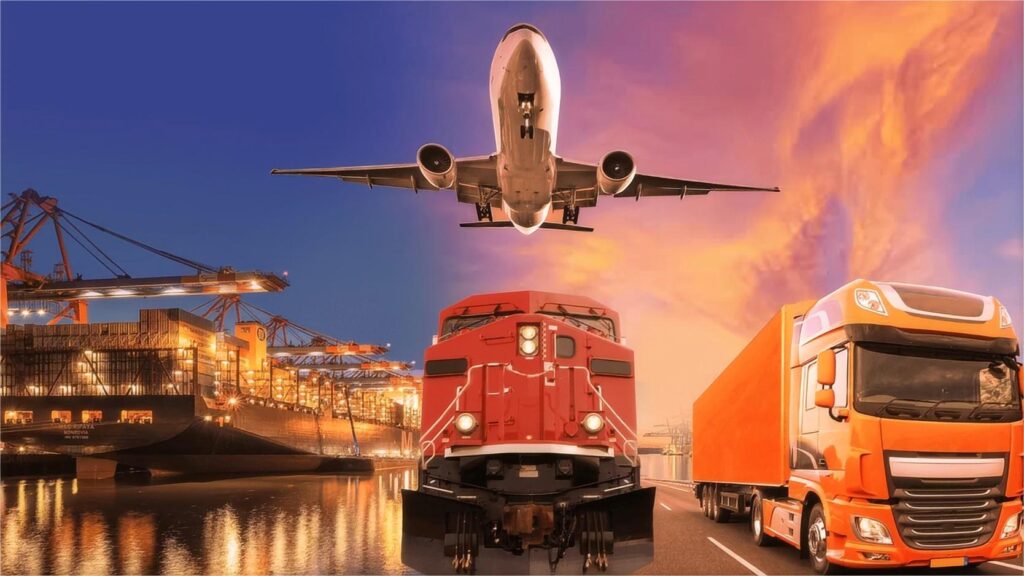
Freight forwarding involves managing the entire logistics chain from the Chinese supplier to the Italian destination. Moreover, forwarders coordinate transportation, customs paperwork, cargo insurance, consolidation, and final delivery.
Core Services of a China–Italy Freight Forwarder
- Supplier pickup & export declarations
- Warehousing & consolidation
- Sea, air, express, or rail freight booking
- Customs clearance in both China & Italy
- DDP (Delivered Duty Paid) solutions
- Cargo tracking and supply chain support
- Delivery to Italy warehouses, stores, or Amazon FBA IT
Long-tail keywords integrated:
shipping agent China to Italy, China to Italy supply chain, Italy import logistics, China export services to Europe, DDP freight Italy, Italian customs import support
Semantic keywords: delivery schedule, transit time, logistics trends, supply chain efficiency, import/export process, documentation management
2. How Much Does freight forwarding china to italy Cost?
Freight costs depend on transport mode, cargo volume, seasonality, container availability, and destination city in Italy.
| Shipping Mode | Estimated Cost | Best For |
|---|---|---|
| Express (DHL/UPS/FedEx) | $8–$15/kg | Small, urgent shipments |
| Air Freight | $4–$9/kg | High-value cargo |
| Rail Freight | $2.5–$5/kg | Balanced delivery needs |
| Sea LCL | $60–120/CBM | Small to mid-volume |
| Sea FCL 20GP | $1,200–$2,000 | Bulk shipments |
| Sea FCL 40HQ | $1,800–$3,200 | Large-volume imports |
Long-tail keywords:
freight cost China to Italy, LCL shipping price China, FCL container Italy import, air freight quote China Italy
Are you ready to book?
Access live instant freight quotes
3. What Is the Transit Time for freight forwarding china to italy?
Transit time varies depending on route, port congestion, customs processes, and weather conditions.
| Method | Transit Time |
|---|---|
| Express | 4–7 days |
| Air Freight | 6–12 days |
| Rail Freight | 18–25 days |
| Sea Freight (FCL/LCL) | 28–40 days |
Semantic keywords included: delivery timeline, lead time, supply chain forecasting, shipment planning
4. What Shipping Methods Are Best for freight forwarding china to italy?
Choosing the correct mode depends on budget, cargo type, delivery speed, and inventory planning.
Air Freight
- Fast and secure
- Suitable for high-value goods
- Higher cost
Sea Freight (FCL/LCL)
- Lowest cost per CBM
- Ideal for heavy or large shipments
- Longest transit time
Rail Freight
- Balanced time and cost
- Runs from China to Europe via the Belt and Road route
Express Courier
- Door-to-door
- Best for samples, accessories, electronics
Long-tail keywords:
sea freight China to Italy, air freight Italy imports, rail freight Italy, express shipping China Italy logistics
5. What Documents Are Required for freight forwarding china to italy?
Accurate documentation ensures smooth customs clearance.
| Document | Purpose | Required For |
|---|---|---|
| Commercial Invoice | Product value, HS codes | All shipments |
| Packing List | Details of cartons & weight | All shipments |
| Bill of Lading / AWB | Transport record | Sea/Air |
| Certificate of Origin | Duty benefits | Optional |
| CE Certificate | Required by EU | Electronics, toys, machinery |
| MSDS | Chemicals, batteries | Hazardous goods |
| EORI Number (Importer) | EU customs | All imports |
| Tax ID/VAT Number | Italy tax compliance | Required |
6. What Are the Pros and Cons of Sea, Air, Express, and Rail Freight?
| Method | Pros | Cons |
|---|---|---|
| Sea Freight | Cheapest option | Slowest |
| Air Freight | Fast & reliable | Expensive |
| Rail Freight | Balanced cost/time | Limited FBA routes |
| Express | Fastest D2D | Not for bulky cargo |
Long-tail keywords:
shipping method comparison Italy, best freight mode China Italy, logistics decision-making EU imports
7. What Are the Most Common Cargo Types for freight forwarding china to italy?
Italy imports a large variety of products from China, especially in manufacturing, fashion, and electronics sectors.
Popular Cargo Categories
- Furniture & home goods
- Electronics & components
- Clothing, shoes & fabric
- Automotive parts
- Industrial machinery
- Food & beverage equipment
- Beauty & cosmetic products
Semantic keywords: commodity classification, EU product categories, Italian import market
8. How Does Packaging Affect freight forwarding china to italy?
Proper packaging reduces damage risk and improves handling efficiency.
Packaging Guidelines
- Use strong corrugated cartons
- Add moisture-proof layers
- Use palletizing for sea & rail freight
- Attach fragile labels if needed
- Follow Italy import labeling standards
Long-tail keywords:
packaging for export, palletizing China shipments, moisture protection long-haul shipping
9. How Does Customs Clearance Work in Italy?
Italy follows the EU’s customs regulations, and compliance is essential to avoid delays.
Italy Customs Procedure
- Document verification
- HS code classification
- Duty + VAT calculation
- Inspection (random or targeted)
- Goods release
| Step | Duration |
|---|---|
| Document Review | 1–2 days |
| Customs Inspection | +2–5 days |
| VAT/Duties Processing | Same day |
| Final Clearance | 1 day |
10. What Are the Main Challenges in freight forwarding china to italy?
International logistics involves risks that may affect delivery time and cost.
Common Challenges
- Port congestion at Italian ports
- Incorrect HS codes
- Missing certificates (CE, MSDS)
- Peak-season container shortages
- Weather-related vessel delays
- VAT mistakes during customs entry
Semantic keywords: supply chain disruptions, freight challenges, EU import obstacles
Conclusion
Efficient freight forwarding china to italy requires a strategic approach that combines the right shipping method, accurate documentation, competitive freight rates, and solid customs preparation. By understanding costs, transit times, Incoterms, and Italy’s import regulations, businesses can reduce delays and optimize their supply chain. Partnering with a professional forwarder ensures smooth operations, predictable lead times, and reliable door-to-door delivery—helping importers grow sustainably in the Italian and European markets.
FAQ
1. Is sea freight the cheapest way to ship from China to Italy?
Yes. Sea freight provides the lowest cost per CBM, especially for large shipments, making it the ideal choice for bulk cargo or non-urgent deliveries.
2. Do I need an EORI number to import to Italy?
Yes, all importers in Italy and the EU require a valid EORI number. Without it, customs clearance cannot begin, causing significant delays.
3. What is the fastest shipping method from China to Italy?
Express courier is the fastest (4–7 days). Air freight is the next quickest, with most shipments arriving in 6–12 days depending on the route.
4. Can I ship dangerous goods from China to Italy?
Yes, but DG shipments require MSDS documents, proper labeling, dangerous-goods packaging, and approval from the carrier before departure.
5. How do I avoid customs delays in Italy?
Accurate documents, correct HS codes, CE certificates, and working with an experienced forwarder significantly reduce the chance of customs delays.