

Freight Forwarding Companies in China: Your Ultimate Guide
“Sourcing products from China is a cornerstone of global trade, yet navigating the complexities of international shipping can be a daunting challenge for businesses worldwide. Finding reliable freight forwarding companies in China is paramount for ensuring your goods arrive safely, on time, and within budget. This comprehensive guide will equip you with the knowledge to make informed decisions, streamline your supply chain, and choose the best logistics partner for your specific needs.”

What Do Freight Forwarding Companies in China Do?
❖Essentially, freight forwarding companies act as intermediaries between shippers and various transportation services. They manage the complex logistics of moving goods from one international destination to another. This includes organizing storage, tracking shipments, and handling critical documentation.
Their primary role involves coordinating the entire shipping process, from the point of origin in China to the final destination. Therefore, they streamline the supply chain, saving businesses time and resources. Consequently, they ensure compliance with international shipping regulations and local customs laws.
Why Partner with a Reputable Chinese Freight Forwarder?
❖Collaborating with an experienced freight forwarder offers numerous advantages for businesses engaged in international trade. Firstly, they possess in-depth knowledge of local regulations, shipping routes, and customs procedures, which is invaluable for smooth operations. Moreover, their expertise helps mitigate potential delays and unforeseen costs.
Furthermore, a good freight forwarder can negotiate better freight rates due to their high volume of business with carriers. This often results in significant cost savings for their clients. They also offer crucial services like customs brokerage, ensuring all paperwork is correctly handled and tariffs are properly paid, thereby preventing costly penalties.
Key Services Offered by Chinese Freight Forwarders
❖Leading freight forwarding companies in China provide a comprehensive suite of services tailored to diverse shipping needs. Understanding these options is vital for optimizing your import/export strategy. These services cover everything from initial pickup to final delivery, encompassing various modes of transport.
Sea Freight Solutions
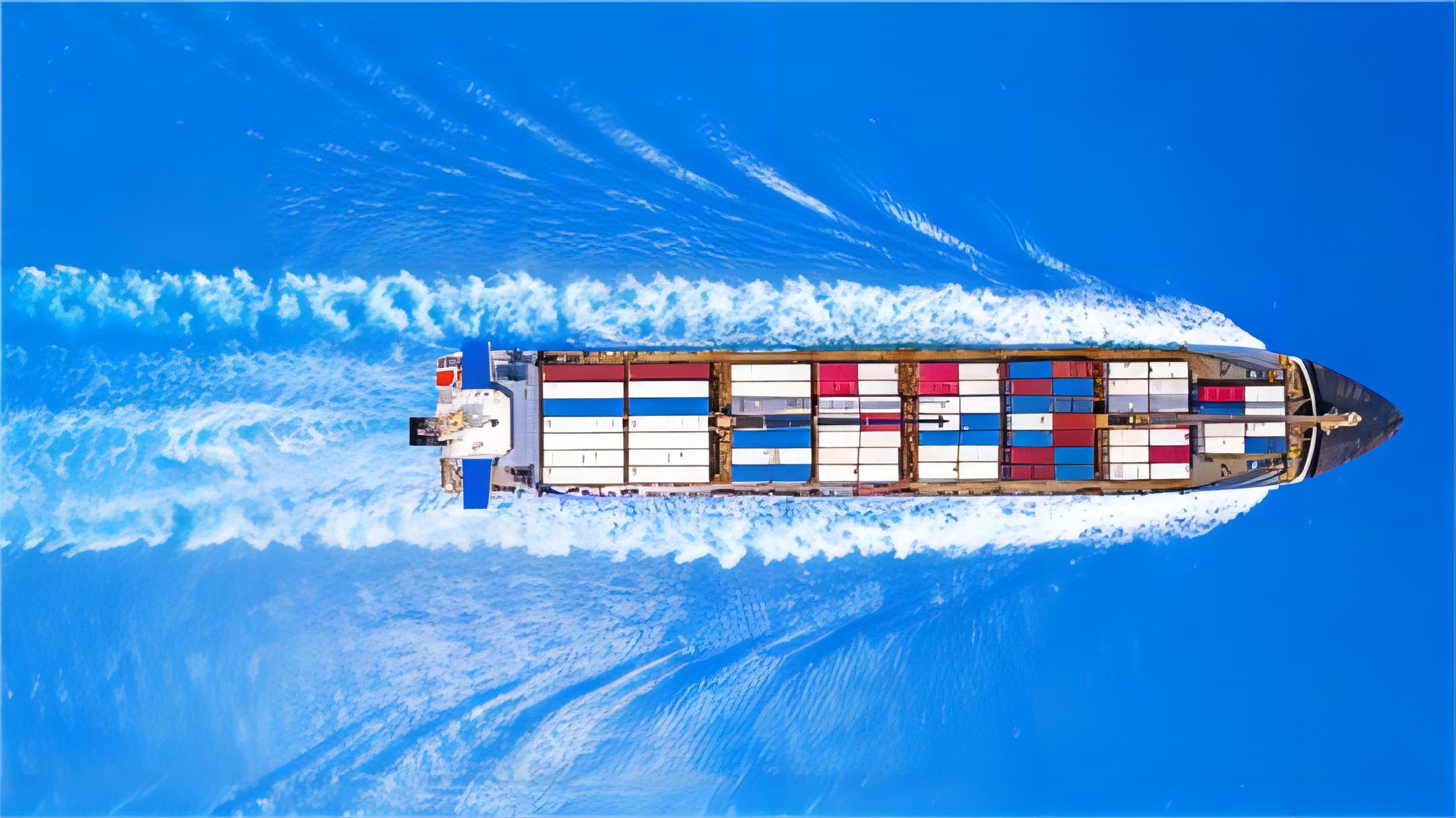
For large volumes and non-urgent shipments, sea freight remains the most economical option. It involves transporting goods via cargo ships in containers. Both Full Container Load (FCL) and Less than Container Load (LCL) options are available, depending on your shipment size.
| Shipping Method | Description | Best For | Cost Efficiency |
|---|---|---|---|
| FCL (Full Container Load) | Exclusive use of a 20GP, 40GP, or 40HQ container. | Large volume shipments (15+ CBM) or sensitive goods. | Highly cost-effective for large loads. |
| LCL (Less than Container Load) | Sharing container space with other shippers’ goods. | Smaller shipments (1-15 CBM) to save costs. | Economical for smaller, less urgent cargo. |
Air Freight for Speed
When speed is paramount, air freight provides the fastest transit times for goods from China. Ideal for high-value, perishable, or time-sensitive cargo, air freight ensures rapid delivery across continents. However, it typically comes at a higher shipping cost compared to sea freight.
Rail Freight: The Land Bridge Advantage
Connecting China with Europe, rail freight offers a balance between speed and cost. It is significantly faster than sea freight and more affordable than air freight. This method is increasingly popular for shipments targeting European markets, providing reliable transit times and reduced carbon footprint.
Specialized Logistics Services
Many freight forwarders offer specialized services to cater to specific business models. For instance, Amazon FBA services handle direct shipping to Amazon fulfillment centers, including labeling and preparation. Additionally, door-to-door services provide end-to-end logistics, managing every step from pickup at the supplier’s factory to final delivery at your warehouse, simplifying your logistics.

How to Choose the Best Freight Forwarding Company in China
❖Selecting the right freight forwarder is a critical decision that impacts your entire supply chain. Consider several factors beyond just the price. A thorough evaluation ensures you find a partner that aligns with your business objectives and specific shipping requirements.
Experience and Reputation
Look for companies with a proven track record and extensive experience in your industry. Check their client testimonials and online reviews. A long-standing presence often indicates reliability and expertise in handling various logistics challenges.
Service Scope and Network
Ensure the forwarder offers the specific services you need, such as FCL, LCL, air freight, or specialized Amazon FBA logistics. Evaluate their global network and partnerships, especially in your destination country. A strong network guarantees smoother transit and better problem-solving capabilities.
Communication and Transparency
Effective communication is key in international shipping. Choose a freight forwarder that provides clear, timely updates and has responsive customer service. Transparency in pricing and processes helps build trust and avoids hidden costs.
Pricing and Payment Terms
While not the only factor, competitive pricing is important. Request detailed quotes that outline all potential charges, including origin charges, ocean freight, destination charges, and customs duties. Understand their payment terms and invoicing practices upfront to prevent surprises.
Understanding Shipping Costs and Transit Times
❖Shipping costs and transit times are dynamic, influenced by numerous factors. These include the shipping method, cargo volume, weight, origin and destination ports, and current market conditions. Understanding these variables is crucial for accurate budgeting and delivery schedule planning.
Moreover, seasonal demand, fuel surcharges, and port congestion can significantly impact both rates and timelines. Always request a detailed breakdown of costs to avoid unexpected expenses. Similarly, confirm estimated transit times, which can vary based on carrier, route, and potential transshipment points.
| Factor | Impact on Cost | Impact on Transit Time | Notes |
|---|---|---|---|
| Shipping Method | Air > Rail > Sea | Air < Rail < Sea | Speed vs. Economy tradeoff. |
| Cargo Volume/Weight | Larger/Heavier = Higher | Minor, unless specialized handling | Affects FCL vs LCL decision. |
| Origin/Destination | Longer distances = Higher | Longer distances = Longer | Direct routes often pricier but faster. |
| Seasonality/Demand | Peak seasons = Higher | Peak seasons = Longer (due to congestion) | Rates typically increase Q3-Q4. |
Case Studies: Real-World Shipping Scenarios
❖Examining actual shipping examples illustrates the complexities and solutions offered by freight forwarding companies in China. These scenarios highlight how different factors influence logistics decisions and outcomes. Based on Q1 2025 market rates, these examples provide realistic insights.
Case Study 1: Efficient Sea Freight for Large Volume to Europe
This case demonstrates the cost-effectiveness of sea freight for substantial cargo, even with longer transit times. Careful planning ensured smooth customs clearance and delivery.
| Detail | Description |
|---|---|
| Route | Shanghai, China to Rotterdam, Netherlands |
| Cargo | Furniture components, 35 CBM, 8,000 kg |
| Container | 1 x 40GP |
| Shipping Details | Carrier: COSCO, Port of Loading: Shanghai, Port of Discharge: Rotterdam, Route Type: Direct |
| Cost Breakdown | Ocean Freight: $3,500, Origin Charges: $450, Destination Charges: $600, Customs & Duties (est.): $1,200, Total Landed Cost: $5,750 |
| Timeline | Booking to Loading: 5 days, Sea Transit: 30 days, Customs Clearance: 3 days, Total Door-to-Door: 38 days |
| Key Insight | Optimal for bulk goods, requiring advanced planning but yielding significant cost savings. Market data suggests these rates are typical for early 2025. |
Case Study 2: Urgent Air Cargo to North America
This scenario highlights the necessity of air freight for time-critical goods, despite the higher expense. Expedited handling and direct flights were crucial for meeting the tight deadline.
| Detail | Description |
|---|---|
| Route | Shenzhen, China to Los Angeles, USA |
| Cargo | Electronics prototypes, 2.5 CBM, 450 kg |
| Container | Air Cargo (Palletized) |
| Shipping Details | Carrier: Cathay Pacific Cargo, Port of Loading: Shenzhen, Port of Discharge: Los Angeles, Route Type: Direct |
| Cost Breakdown | Air Freight: $2,800, Origin Charges: $200, Destination Charges: $150, Customs & Duties (est.): $300, Total Landed Cost: $3,450 |
| Timeline | Booking to Loading: 2 days, Air Transit: 4 days, Customs Clearance: 1 day, Total Door-to-Door: 7 days |
| Key Insight | Essential for urgent, high-value, or low-volume goods. Industry benchmarks indicate similar rates for Q1 2025 expedited services. |
Case Study 3: Rail Freight for European Distribution
This example illustrates the growing appeal of rail freight for its balanced approach to cost and speed for destinations in Europe. It offers a viable middle ground between sea and air options.
| Detail | Description |
|---|---|
| Route | Chongqing, China to Hamburg, Germany |
| Cargo | Apparel, 18 CBM, 5,000 kg |
| Container | LCL (shared 40HQ space) |
| Shipping Details | Carrier: China-Europe Railway Express, Port of Loading: Chongqing, Port of Discharge: Hamburg, Route Type: Direct |
| Cost Breakdown | Rail Freight: $2,200, Origin Charges: $300, Destination Charges: $400, Customs & Duties (est.): $800, Total Landed Cost: $3,700 |
| Timeline | Booking to Loading: 4 days, Rail Transit: 16 days, Customs Clearance: 2 days, Total Door-to-Door: 22 days |
| Key Insight | A competitive option for European destinations, bridging the gap between sea and air in terms of transit time and cost. Typical rates as of early 2025. |
How Do Key Shipping Methods Compare from China?
❖Choosing the optimal shipping method from China requires a careful comparison of cost, speed, and suitability for your cargo. Each option presents unique advantages and limitations. Therefore, an objective analysis is essential for making an informed decision.
| Shipping Method | Cost Range (per 40HQ/equivalent) | Transit Time (China-Europe/USA) | Best For | Limitations |
|---|---|---|---|---|
| Sea Freight (FCL) | $3,000 – $6,000 | 28-45 days | Large volumes, heavy goods, non-urgent shipments. | Slowest, susceptible to port delays. |
| Rail Freight (LCL/FCL) | $4,000 – $7,500 | 16-25 days | European destinations, balanced speed/cost, medium urgency. | Limited routes, capacity constraints. |
| Air Freight | $15,000 – $30,000 (for equivalent volume) | 3-7 days | Urgent, high-value, perishable, small volume shipments. | Highest cost, weight/volume restrictions. |
Alternative Strategies and Hybrid Solutions
❖Beyond standard shipping methods, several alternative strategies and hybrid solutions can further optimize your logistics. These approaches often provide cost savings or improved efficiency, depending on your specific needs. Understanding these options can enhance your supply chain resilience.
Consider, for instance, combining different modes of transport. A sea-air solution might involve shipping goods by sea to a hub (e.g., Dubai) and then by air to the final destination. This can be faster than pure sea freight and cheaper than pure air freight. Likewise, rail-sea combinations can offer similar benefits for specific routes.
FCL vs. LCL Optimization
For shipments under 15 CBM, LCL (Less than Container Load) may be more economical than a full container. However, LCL often involves more handling and longer transit times due to consolidation. Evaluate your cargo volume against the tipping point where FCL becomes more cost-effective per CBM, typically around 15-20 CBM. This decision framework is crucial for managing shipping costs effectively.
Direct vs. Transshipment Routes
Direct shipping routes are generally faster and carry less risk of delays, though they might be 10-15% more expensive. Transshipment, involving transfers at intermediate ports like Singapore or Port Klang, can save costs but may add 5-7 days to the transit time. Weigh the trade-off between speed and cost based on your inventory requirements and delivery schedule.
Which Option Should You Choose? A Decision Framework
❖Making the right shipping choice depends on a clear understanding of your priorities. Use this framework to guide your decision-making process. Aligning your choice with your business goals ensures efficient and cost-effective logistics.
Budget Priority
If minimizing shipping costs is your top concern, sea freight (LCL for smaller, FCL for larger volumes) is typically the most economical choice. Furthermore, consider transshipment routes for potential savings, acknowledging the longer transit times.
Speed Priority
For urgent shipments, air freight is the undeniable winner, offering the fastest delivery schedule. Rail freight presents a strong alternative for European destinations, providing a good balance of speed and cost. Evaluate the urgency of your goods against the associated freight rates.
Cargo Type Considerations
Perishable goods, high-value electronics, or samples often benefit from air freight due to its speed and security. Bulky, low-value items like raw materials or furniture are best suited for sea freight. Hazardous materials require specialized handling and compliance, regardless of the chosen method.
Volume Thresholds for Switching Methods
For very small parcels (under 100 kg or 1 CBM), express services might be ideal. Between 1-15 CBM, LCL sea freight or rail freight (to Europe) are strong contenders. Above 15-20 CBM, FCL sea freight usually becomes the most cost-efficient option. Regularly review your cargo handling needs to optimize.

Current Market Context and Industry Trends
❖The global logistics landscape is constantly evolving, with significant implications for freight forwarding companies in China. As of Q1 2025, freight rates from China to Europe have stabilized after the 2024 Red Sea disruptions, though some surcharges remain. Market data suggests a general return to pre-pandemic rate levels for many routes, albeit with increased volatility driven by geopolitical events.
Industry trends also include a growing emphasis on digitalization and sustainability. Many forwarders are investing in technology for better tracking and supply chain visibility. Moreover, there’s increasing pressure to offer greener shipping options. Shippers should anticipate typical rate increases of 15-25% during the August-October peak season for most routes, reflecting heightened demand for cargo handling capacity.
Partnering with the Right Freight Forwarding Companies in China
Ultimately, successful international trade hinges on choosing the right logistics partner. The best freight forwarding companies in China offer not just transportation, but a comprehensive suite of services that streamline your supply chain, reduce costs, and mitigate risks. By understanding the various shipping methods, market dynamics, and operational nuances, you can make informed decisions that benefit your business.
Indeed, a reliable freight forwarder acts as an extension of your team, navigating the complexities of customs, transit times, and delivery schedules on your behalf. Therefore, investing time in selecting a reputable and transparent partner is crucial for long-term success in global commerce.
Ready to streamline your logistics?
Ready to optimize your import process and find the ideal partner among freight forwarding companies in China? Contact us today for a personalized consultation and a competitive quote. Our experts are here to guide you through every step of your international shipping journey, ensuring seamless logistics and peace of mind.
Request Quote