

- By kelly
- September 17, 2025
- Logistics, Tips or Guide
Freight Forwarding from China to Singapore: Complete Guide for Importers
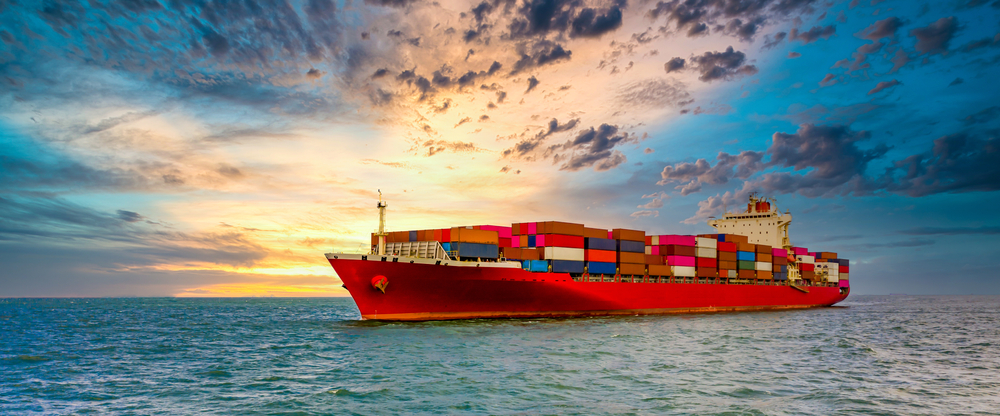
Choosing reliable freight forwarding from China to Singapore is essential for businesses importing goods. Many importers face challenges such as fluctuating shipping costs, customs clearance delays, and unpredictable delivery schedules. However, the right freight forwarder simplifies logistics, optimizes costs, and ensures your cargo reaches Singapore safely and on time.
What Is Freight Forwarding from China to Singapore?
Freight forwarding is the process of arranging and managing the international transportation of goods. Companies specializing in this route coordinate with carriers, customs officials, and warehouses to move shipments efficiently. Additionally, freight forwarders provide importers with options such as sea freight, air freight, and courier delivery, depending on budget and urgency.
Why Should Importers Use Freight Forwarding from China to Singapore?
Importing without professional support can lead to hidden costs, compliance issues, and delays. Freight forwarders provide:
- Cost optimization through negotiated freight rates.
- Customs expertise to avoid clearance errors.
- Timely deliveries by selecting efficient shipping routes.
- Risk reduction with insurance and tracking.
Moreover, forwarders understand trade regulations between China and Singapore, making the shipping process smoother.
How Much Does Freight Forwarding from China to Singapore Cost?
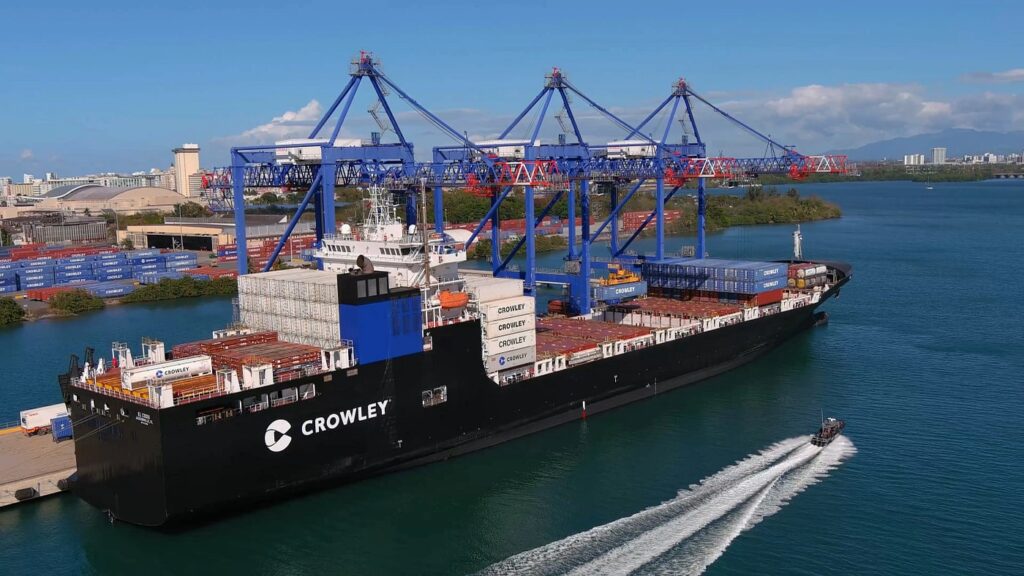
Costs vary depending on method, weight, and urgency.
| Shipping Method | Average Cost | Transit Time | Pros | Cons |
|---|---|---|---|---|
| Sea Freight (FCL 20ft) | $400–$700 | 5–8 days | Best for bulk cargo | Port congestion possible |
| Sea Freight (LCL) | $30–$60 per CBM | 6–10 days | Cheaper for small loads | Risk of delays |
| Air Freight | $3.5–$6 per kg | 1–3 days | Fast and secure | Higher costs |
| Courier (DHL/FedEx/UPS) | $6–$9 per kg | 1–4 days | Door-to-door service | Costly for large cargo |
Therefore, businesses should select shipping methods that balance budget and delivery speed.
What Documents Are Needed for Freight Forwarding to Singapore?
Documentation is critical to avoid customs penalties. Freight forwarders help prepare:
| Document | Purpose |
|---|---|
| Commercial Invoice | Declares value and goods description |
| Packing List | Provides cargo details |
| Bill of Lading / Airway Bill | Proof of shipment |
| Certificate of Origin | Confirms where goods were made |
| Import Permit (if required) | For restricted goods |
| Insurance Certificate | Protects cargo in transit |
Additionally, Singapore’s efficient customs system allows fast clearance if documents are accurate.
Should You Choose Sea or Air Freight from China to Singapore?
Both sea and air freight have unique advantages:
| Mode | Best For | Transit Time | Cost | Pros | Cons |
|---|---|---|---|---|---|
| Sea Freight (FCL/LCL) | Heavy, bulky goods | 5–10 days | Low | Economical for large volumes | Slower |
| Air Freight | Urgent, lightweight goods | 1–3 days | High | Fast and reliable | Costly |
| Courier/Express | Small packages, e-commerce | 1–4 days | Very High | Door-to-door convenience | Not suitable for bulk |
Therefore, sea freight is ideal for bulk goods, while air is best for urgent shipments.
Which Ports and Airports Handle China–Singapore Trade?
- Major Chinese Ports: Shanghai, Ningbo, Guangzhou, Shenzhen.
- Singapore Gateway: Port of Singapore (PSA), one of the busiest in the world.
- Key Airports: Shanghai Pudong (PVG), Shenzhen Bao’an (SZX), Guangzhou Baiyun (CAN) to Changi Airport (SIN).
Moreover, choosing the right port/airport impacts both costs and delivery time.
How Do Freight Forwarders Handle Customs from China to Singapore?
Freight forwarders simplify customs clearance by:
- Filing accurate documentation.
- Ensuring HS code compliance.
- Paying duties and Goods & Services Tax (GST).
- Coordinating with Singapore Customs.
Therefore, forwarders help avoid costly delays and ensure smooth entry of goods into Singapore.
What Are the Benefits of Freight Forwarding to Singapore?
| Benefits | Description |
|---|---|
| Time Savings | Avoid paperwork and compliance errors |
| Cost Control | Access competitive carrier rates |
| End-to-End Support | From factory pickup to final delivery |
| Risk Management | Insurance and shipment tracking |
| Flexibility | Choice of shipping methods |
Additionally, forwarders offer tailored solutions for industries such as electronics, textiles, and machinery.
How Do You Choose the Best Freight Forwarding Partner?
When selecting a forwarder, consider:
- Experience in China–Singapore trade.
- Transparent pricing with no hidden costs.
- Service coverage (FCL, LCL, air, courier, DDP).
- Strong local networks at both origin and destination.
- Technology support for real-time tracking.
Moreover, request detailed quotations and compare multiple providers.
Common Challenges in Freight Forwarding from China to Singapore
- Port congestion during peak shipping seasons.
- Unexpected charges such as port handling fees.
- Customs delays due to incorrect paperwork.
- Supply chain disruptions during global trade fluctuations.
Therefore, working with experienced freight forwarders helps mitigate these risks.
What Trends Are Shaping Freight Forwarding Between China and Singapore?
- Digital logistics platforms for instant quotes.
- Sustainability in shipping with low-emission vessels.
- Growth of e-commerce increasing courier demand.
- Regional trade agreements like RCEP boosting efficiency.
- Multimodal transport solutions combining sea, air, and rail.
Additionally, forwarders adopting these trends offer importers more competitive advantages.
📦Get a Free Quote
Simplify your logistics by partnering with a reliable provider for freight forwarding from China to Singapore. With expert customs clearance, flexible shipping options, and transparent pricing, you can focus on growing your business while your logistics are in safe hands. Request a tailored quote today to get started.
❓ Frequently Asked Questions
Q1: How long does sea freight from China to Singapore take?
Typically 5–10 days, depending on port congestion and shipping schedules.
Q2: What is the cheapest way to ship goods from China to Singapore?
Sea freight (FCL or LCL) is the most cost-effective method for large shipments.
Q3: Do I need a freight forwarder for small parcels?
Yes, forwarders can arrange express courier services for e-commerce and small packages.
Q4: How much is air freight from China to Singapore?
On average, $3.5–$6 per kg, depending on weight, carrier, and seasonal demand.
Q5: What taxes apply when importing into Singapore?
Goods are subject to Goods & Services Tax (GST) and, in some cases, additional duties.
Conclusion
Choosing the right partner for freight forwarding from China to Singapore helps reduce costs, avoid customs issues, and ensure timely deliveries. Whether you need sea freight for bulk cargo or air freight for urgent shipments, experienced forwarders streamline the process from supplier to destination. Therefore, selecting a reliable company is crucial to building a strong, efficient supply chain.