

- By kelly
- September 11, 2025
- Tips or Guide
Freight Forwarding in China: Complete 2025 Guide
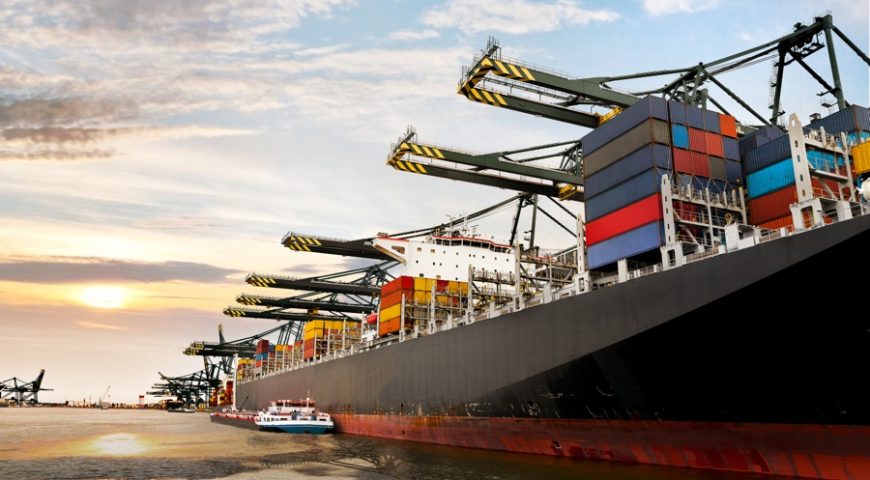
China is the world’s largest exporter, and efficient freight forwarding in China is critical for businesses importing goods worldwide. Whether you’re shipping bulk containers, air cargo, or small parcels, freight forwarders simplify logistics, reduce costs, and ensure compliance with customs regulations. However, choosing the right partner and shipping method can make or break your supply chain efficiency.
1. What Is Freight Forwarding in China?
Freight forwarding is the process of organizing and managing international shipments. In China, forwarders act as intermediaries between exporters, carriers, and customs to ensure goods move smoothly from factories to buyers abroad.
Core services provided by Chinese freight forwarders include:
- Booking sea, air, or rail freight.
- Preparing customs documents.
- Offering warehousing and consolidation.
- Providing door-to-door logistics solutions.
Therefore, forwarders help reduce complexity and keep shipments on schedule.
2. Why Is Freight Forwarding in China So Important?
- High export volume: China accounts for a major share of global trade.
- Complex logistics: Multiple ports, airports, and customs procedures.
- Supply chain optimization: Forwarders negotiate better rates and manage routes.
- Risk reduction: They ensure compliance with import/export regulations.
In short, freight forwarding ensures that businesses receive goods cost-effectively and on time.
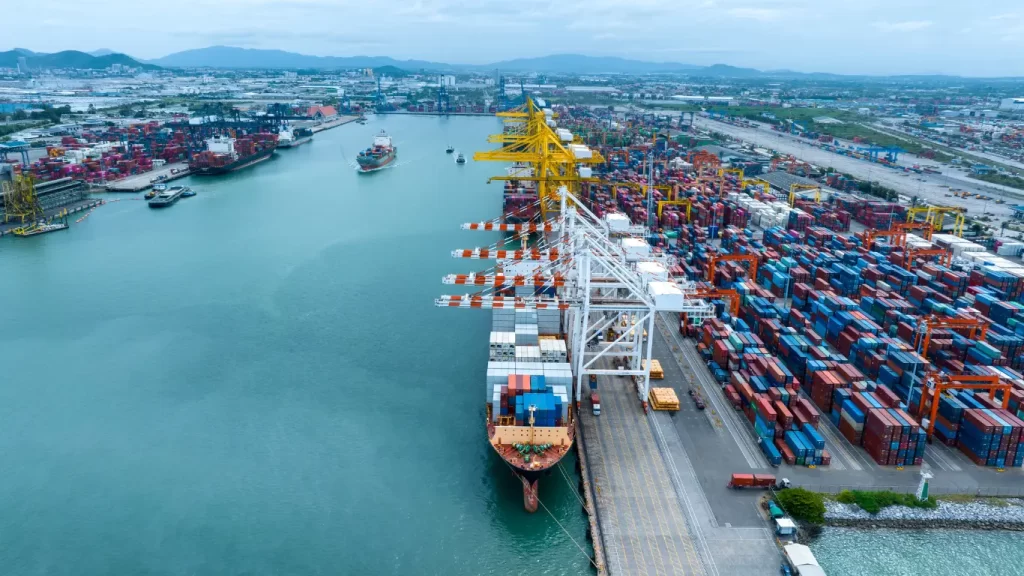
3. What Are the Main Shipping Methods from China?
| Method | Transit Time | Cost Level | Best For | Pros | Cons |
|---|---|---|---|---|---|
| Sea Freight (FCL/LCL) | 20–40 days | Cheapest | Bulk goods | Economical, high volume | Slow transit |
| Air Freight | 5–10 days | High | Urgent shipments | Fast, reliable | Expensive |
| Rail Freight | 15–25 days | Medium | Europe shipments | Faster than sea | Limited routes |
| Express Courier (DHL, UPS, FedEx) | 3–7 days | Very High | Small parcels | Door-to-door, tracking | Costly for bulk |
Therefore, your choice depends on urgency, cargo size, and budget.
4. How Much Does Freight Forwarding in China Cost?
Costs vary by shipping method, volume, and route.
| Cargo Type | Estimated Cost (USD) | Notes |
|---|---|---|
| 20FT Container (FCL) | $1,500–$2,000 | Bulk cargo |
| 40FT Container (FCL) | $2,800–$3,800 | Cost-efficient per unit |
| LCL (per CBM) | $100–$180 | Flexible for small shipments |
| Air Freight (per kg) | $5–$9 | Medium cargo |
| Express Courier (per kg) | $10–$15 | Small packages |
Additionally, importers must consider customs duties, VAT/GST, and handling fees.
5. Which Are the Major Ports and Airports in China?
Top Export Ports:
- Shanghai
- Ningbo
- Shenzhen
- Guangzhou
- Qingdao
Major Airports:
- Shanghai Pudong (PVG)
- Beijing Capital (PEK)
- Guangzhou Baiyun (CAN)
- Shenzhen Bao’an (SZX)
Therefore, choosing the nearest hub to the supplier saves time and costs.
6. How Long Does Shipping Take from China to Different Destinations?
| Destination | Mode | Transit Time |
|---|---|---|
| USA (West Coast) | Sea Freight | 20–25 days |
| USA (East Coast) | Sea Freight | 30–35 days |
| Europe (Hamburg, Rotterdam) | Sea Freight | 28–35 days |
| Europe (via Rail) | Rail Freight | 15–25 days |
| Australia | Sea Freight | 18–25 days |
| Global (Air Freight) | Air | 5–10 days |
| Express Courier | Courier | 3–7 days |
Moreover, customs clearance may add 1–3 days depending on documentation accuracy.
7. What Documents Are Needed for Freight Forwarding in China?
| Document | Purpose |
|---|---|
| Commercial Invoice | Declares value of goods |
| Packing List | Itemized shipment details |
| Bill of Lading / Air Waybill | Proof of shipment |
| Certificate of Origin | Determines duty rates |
| HS Code | Classifies goods |
| Import/Export Declaration | Required for customs clearance |
Accurate paperwork is essential to avoid costly delays.
8. How to Choose Between FCL and LCL Shipping?
| Factor | FCL | LCL |
|---|---|---|
| Cost Efficiency | Cheaper per unit for bulk | Affordable for small cargo |
| Risk of Damage | Lower (exclusive use) | Higher (shared space) |
| Speed | Slightly faster | Slower due to consolidation |
| Best Use | Large shipments | Small to medium loads |
Therefore, businesses with smaller shipments often benefit from LCL, while bulk shipments should use FCL.
9. What Are the Pros and Cons of Different Freight Options?
| Mode | Pros | Cons |
|---|---|---|
| Sea Freight | Lowest cost per unit, large volume | Slow |
| Air Freight | Fast, reliable | High cost |
| Rail Freight | Moderate cost, eco-friendly | Limited to Europe |
| Express Courier | Door-to-door, fast | Expensive for heavy cargo |
10. How to Reduce Freight Forwarding Costs in China?
- Plan shipments in advance to avoid peak-season surcharges.
- Consolidate goods to maximize container space.
- Use alternative ports with lower fees.
- Negotiate long-term rates with forwarders.
- Choose the right mode for each shipment type.
Additionally, working with a trusted freight forwarder ensures better pricing and efficiency.
11. Why Work with a Professional Freight Forwarder in China?
Forwarders provide expertise in:
- Carrier selection and booking.
- Customs clearance and documentation.
- Warehousing and distribution.
- End-to-end supply chain visibility.
Moreover, they reduce risks of delays and ensure compliance with international trade laws.
📦Get a Free Quote
Finding the right partner for freight forwarding in China helps businesses save time, reduce costs, and improve supply chain efficiency. Contact us today for customized freight solutions and competitive rates tailored to your business needs.
❓ Frequently Asked Questions
1. How long does sea freight from China to the US take?
On average, 20–25 days to the West Coast and 30–35 days to the East Coast.
2. What is the cheapest way to ship goods from China?
Sea freight (FCL) offers the lowest cost per unit, especially for bulk cargo.
3. Do freight forwarders handle customs clearance?
Yes, most forwarders prepare documentation and coordinate with customs authorities for smooth clearance.
4. Can I ship small parcels from China using a forwarder?
Yes, LCL or express couriers are ideal for smaller shipments and e-commerce orders.
5. What factors affect shipping costs from China?
Weight, volume, destination, shipping method, and peak-season surcharges all influence total costs.
Conclusion
In summary, freight forwarding in China is an essential part of global trade. Whether you choose sea, air, rail, or courier services, the right forwarder ensures cost savings, smooth customs clearance, and timely deliveries. Moreover, selecting between FCL, LCL, or multimodal solutions depends on your shipment size, urgency, and budget.