

- By kelly
- September 17, 2025
- Logistics, Tips or Guide
Freight from China to Germany: Complete Shipping Guide for Importers
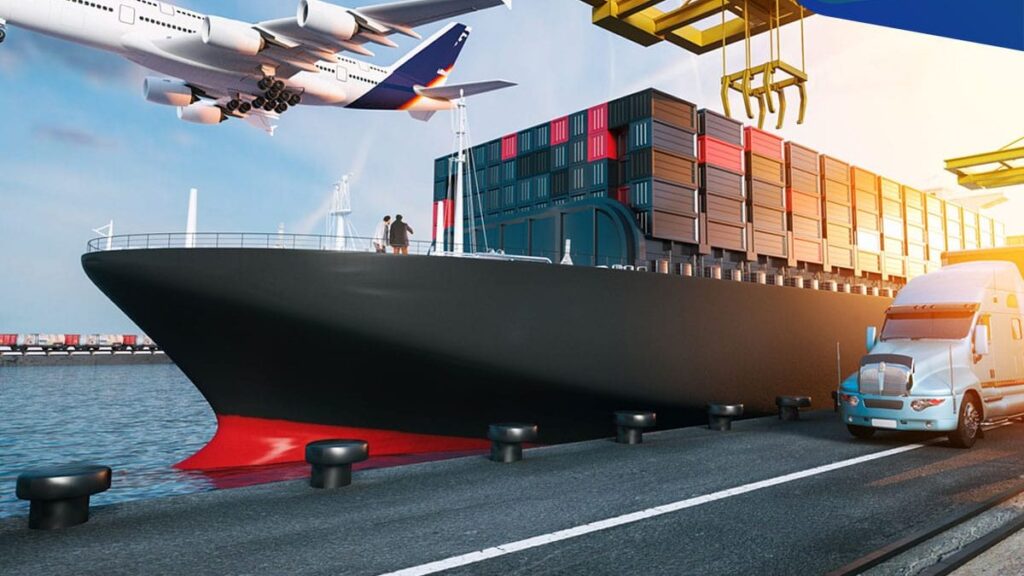
Managing freight from China to Germany is essential for businesses sourcing products from Asia’s manufacturing hub to Europe’s largest economy. Many importers face challenges such as fluctuating shipping costs, complex customs clearance, and variable transit times. However, with the right freight forwarder and a clear understanding of shipping options, you can streamline your supply chain, save costs, and ensure timely delivery.
What Does Freight from China to Germany Involve?
Freight forwarding covers the movement of goods through sea, air, rail, and courier services. Forwarders coordinate booking, documentation, customs clearance, and last-mile delivery. Moreover, they negotiate better rates with carriers, making international shipping more affordable and efficient.
Why Should Importers Use Freight Forwarding from China to Germany?
Importing directly can lead to costly mistakes. Professional freight services provide:
- Negotiated carrier rates for cost efficiency.
- Customs expertise to avoid clearance delays.
- Time-saving solutions via multimodal options.
- Cargo insurance to protect against loss or damage.
- Real-time tracking for supply chain visibility.
Therefore, freight forwarding ensures a smoother and more reliable logistics process.
How Much Does Freight from China to Germany Cost?
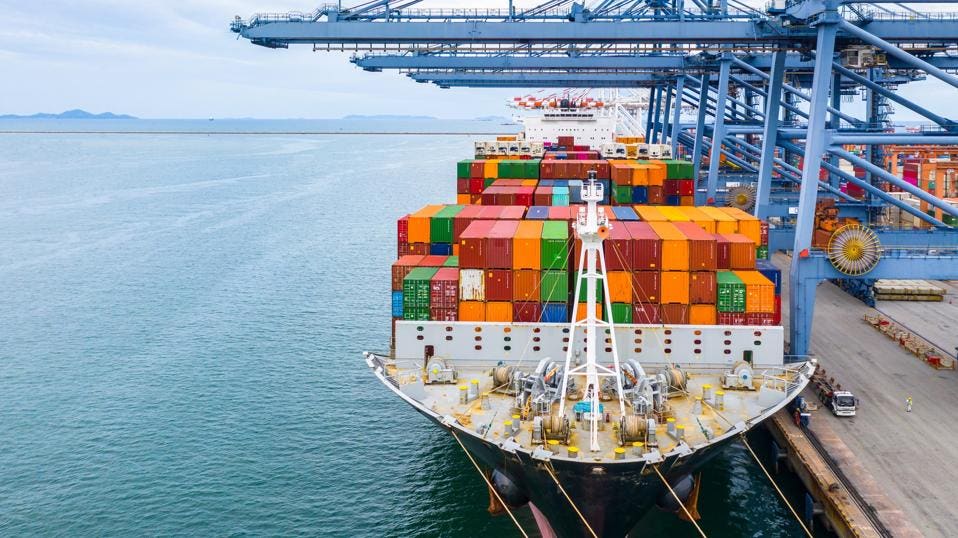
Shipping costs depend on mode, cargo type, and urgency.
| Shipping Method | Average Cost | Transit Time | Pros | Cons |
|---|---|---|---|---|
| Sea Freight (FCL 20ft) | $2,000–$3,200 | 30–40 days | Cheapest for bulk | Long transit time |
| Sea Freight (LCL) | $80–$120 per CBM | 35–45 days | Affordable for smaller loads | Risk of delays |
| Air Freight | $5–$8 per kg | 5–8 days | Fast, secure | Expensive |
| Rail Freight (China–Europe Express) | $4,000–$6,000 per container | 15–22 days | Balance of speed/cost | Limited routes |
| Courier (DHL/UPS/FedEx) | $7–$12 per kg | 3–6 days | Door-to-door service | Costly for bulk |
Additionally, rates fluctuate during peak seasons such as pre-Christmas and Chinese New Year.
What Documents Are Required for Freight from China to Germany?
Customs compliance requires proper paperwork.
| Document | Purpose |
|---|---|
| Commercial Invoice | Declares value and description of goods |
| Packing List | Provides weight, dimensions, and packaging details |
| Bill of Lading / Airway Bill | Proof of shipment |
| Certificate of Origin | Confirms product origin |
| Import Licenses | Required for restricted goods |
| Insurance Certificate | Ensures protection during transit |
| Customs Declarations (ATLAS in Germany) | Filed electronically for import clearance |
Therefore, accurate documentation is critical to avoid fines and shipment holds.
Should You Choose Sea, Air, or Rail Freight from China to Germany?
| Mode | Best For | Transit Time | Cost | Pros | Cons |
|---|---|---|---|---|---|
| Sea Freight | Heavy, bulk cargo | 30–45 days | Low | Cost-effective | Slow |
| Air Freight | Urgent shipments | 5–8 days | High | Reliable & quick | Expensive |
| Rail Freight | Medium loads | 15–22 days | Medium | Faster than sea, cheaper than air | Route limits |
| Courier/Express | Small parcels | 3–6 days | Very High | Door-to-door, convenient | Not for large cargo |
Moreover, many companies adopt multimodal shipping to balance cost and urgency.
Which Ports and Airports Handle Freight from China to Germany?
- Chinese Ports: Shanghai, Ningbo, Shenzhen, Qingdao, Guangzhou.
- German Ports: Hamburg, Bremerhaven, Wilhelmshaven.
- Airports in China: Shanghai Pudong (PVG), Beijing Capital (PEK), Guangzhou Baiyun (CAN).
- Airports in Germany: Frankfurt (FRA), Munich (MUC), Leipzig (LEJ).
- Rail Terminals: Duisburg and Hamburg via the Belt and Road rail network.
Additionally, Hamburg is Germany’s primary maritime hub for imports from China.
How Do Freight Forwarders Manage Customs in Germany?
German customs procedures require detailed compliance. Freight forwarders help by:
- Filing import declarations via ATLAS.
- Managing tariff classification (HS codes).
- Ensuring payment of VAT and import duties.
- Coordinating with customs brokers.
- Handling restricted and licensed goods.
Therefore, professional support minimizes risks of delays at customs.
What Are the Pros and Cons of Freight from China to Germany?
| Pros | Cons |
|---|---|
| Cost-effective sea freight options | Longer delivery times |
| Multiple shipping routes available | Seasonal congestion |
| Customs clearance assistance | Higher costs for air freight |
| Strong trade relationship | Rail freight limited to certain cities |
Moreover, importers must plan shipments in advance to avoid supply chain disruptions.
How to Reduce Freight Costs from China to Germany?
- Book shipments early to secure better rates.
- Consolidate cargo for lower per-unit costs.
- Use rail freight for mid-volume shipments.
- Choose LCL shipping for smaller loads.
- Work with reliable freight forwarders for transparency and efficiency.
Additionally, avoiding peak-season congestion helps reduce delays and surcharges.
Can Small Businesses Benefit from Freight from China to Germany?
Yes, SMEs benefit from:
- LCL shipping for partial container loads.
- Courier services for e-commerce deliveries.
- Door-to-door freight forwarding (DDP/DAP).
- Digital freight platforms offering instant quotes.
Therefore, even small-scale importers can compete effectively with larger businesses.
What Trends Are Shaping Freight from China to Germany?
- Digital freight booking systems for transparency.
- Green shipping initiatives with eco-friendly vessels.
- Expansion of rail freight under the Belt and Road.
- Growth of e-commerce logistics requiring faster delivery.
- Diversified supply chains to reduce disruptions.
Moreover, forwarders adopting these innovations deliver better service to global importers.
📦Get a Free Quote
Simplify your logistics today by working with a trusted partner for freight from China to Germany. Whether you need sea, air, or rail freight, professional forwarders ensure reliable delivery, lower costs, and smoother customs clearance. Contact us now for a tailored quote.
❓ Frequently Asked Questions
Q1: How long does sea freight from China to Germany take?
On average, 30–40 days depending on origin port, route, and seasonal congestion.
Q2: What is the cheapest way to ship goods to Germany?
Sea freight (FCL or LCL) is the most cost-effective for large shipments, though it takes longer than air or rail.
Q3: How much is air freight from China to Germany?
Rates typically range between $5–$8 per kg, depending on weight, cargo type, and airline capacity.
Q4: Do freight forwarders provide DDP shipping to Germany?
Yes, many forwarders offer Delivered Duty Paid services, covering customs duties, VAT, and final delivery.
Q5: What are the main German ports for Chinese imports?
Hamburg is the primary gateway, followed by Bremerhaven and Wilhelmshaven.
Conclusion
Choosing the right logistics partner for freight from China to Germany ensures cost efficiency, customs compliance, and timely delivery. Whether you opt for sea freight for bulk shipments, rail for a balance of cost and time, or air for urgent deliveries, forwarders provide tailored solutions. Therefore, a reliable freight partner is essential to strengthen your global supply chain.