

- By kelly
- August 11, 2025
- Tips or Guide, Transport
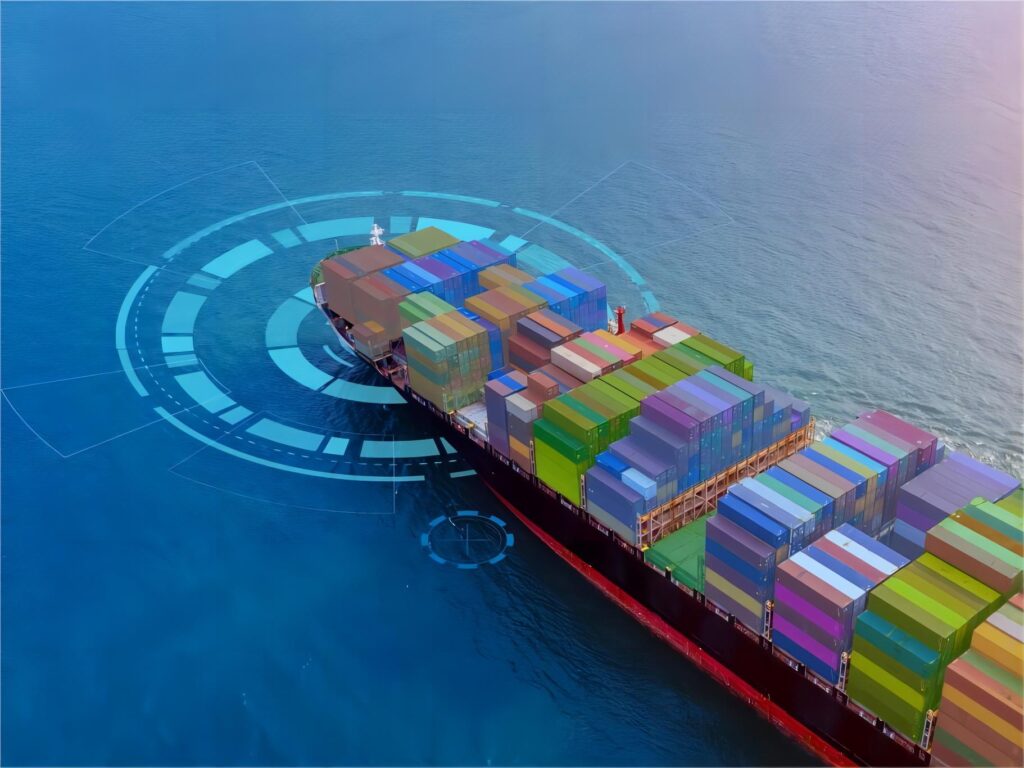
Shipping goods from China to the Philippines is a vital component of international trade in Southeast Asia. With the Philippines being a significant trading partner of China, understanding the logistics, costs, and processes involved in freight from China to the Philippines is essential for businesses and individuals engaged in import activities.
🚢 Shipping Methods: Sea Freight vs. Air Freight
Sea Freight: Ideal for bulk shipments, sea freight offers cost-effective solutions for transporting large volumes of goods. The two primary options are:
- Full Container Load (FCL): Suitable for large shipments, where the entire container is used exclusively for one consignee.
- Less than Container Load (LCL): Appropriate for smaller shipments that do not require a full container.
Air Freight: Best for time-sensitive and high-value goods, air freight provides faster delivery times compared to sea freight.
💰 Shipping Costs
Shipping costs from China to the Philippines can vary based on factors such as the shipping method, weight, volume, and specific routes. Generally:
- Sea Freight: Rates can range from $30 to $60 per cubic meter for LCL shipments, and $1,200 to $4,000 for FCL containers.
- Air Freight: Prices typically range from $3 to $5 per kilogram.
It’s advisable to obtain quotes from multiple freight forwarders to ensure competitive pricing.
📦 Commonly Shipped Goods
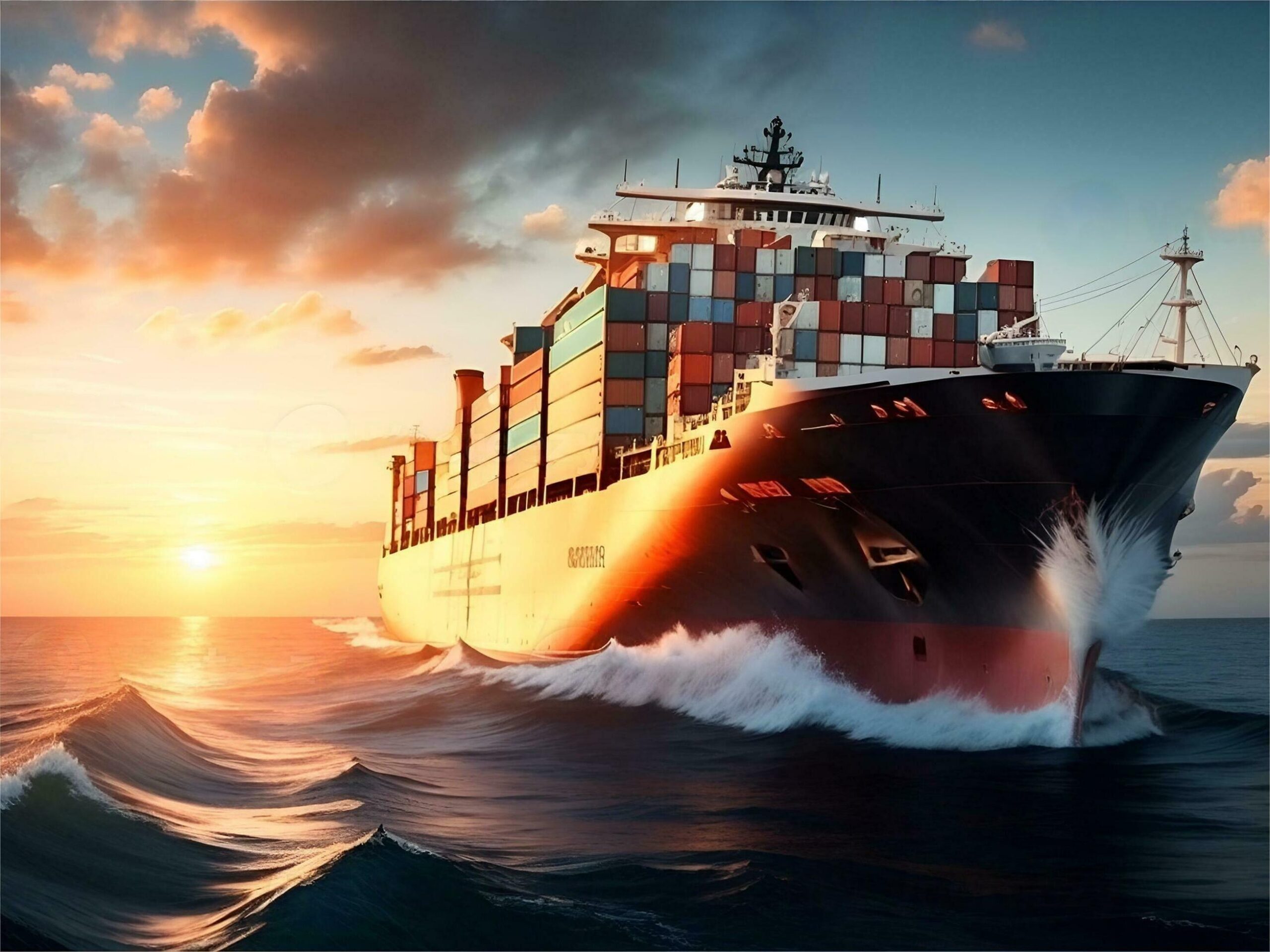
A wide array of products are shipped from China to the Philippines, including:
- Electronics and digital appliances
- Clothing and textiles
- Medical equipment
- Automotive parts
- Consumer goods
Understanding the nature of the goods can help in selecting the appropriate shipping method and packaging requirements.
⏱️ Transit Times
Transit times can vary based on the shipping method and specific routes:
- Sea Freight: Typically ranges from 5 to 30 days, depending on the specific ports and whether it’s a direct route or involves transshipment.
- Air Freight: Usually 1 to 5 days, including customs clearance.
- Express Courier: Often 1 to 3 days for door-to-door service.
These times can be influenced by factors such as port congestion and weather conditions.
🛃 Customs Procedures
Navigating customs procedures is a critical aspect of international shipping. For shipments from China to the Philippines, the following documents are typically required:
- Commercial Invoice
- Packing List
- Bill of Lading
- Import Permit (if applicable)
It’s advisable to work with a freight forwarder who can assist in ensuring all documentation is in order to facilitate smooth customs clearance.
📍 Major Ports in the Philippines
The Philippines boasts several major ports that handle international shipments:
- Port of Manila: The primary international gateway, handling a significant portion of imports.
- Port of Cebu: A key port in the Visayas region, facilitating trade to and from central Philippines.
- Port of Davao: Serving the Mindanao region, crucial for shipments to the southern Philippines.
Choosing the appropriate port can depend on the final destination of the goods within the Philippines.
🧭 Choosing a Freight Forwarder
Selecting a reliable freight forwarder is essential for ensuring timely and safe delivery of goods. A reputable freight forwarder can assist with:
- Selecting the optimal shipping method
- Handling documentation and customs clearance
- Providing tracking information
- Offering insurance options
It’s recommended to conduct thorough research and consider factors such as experience, services offered, and customer reviews when choosing a freight forwarder.
📦 Request a Quote for Freight from China to the Philippines
Looking to ship cargo from China to the Philippines? At TJ China Freight, we offer reliable, cost-effective, and timely freight forwarding solutions tailored to your needs.
❓ Frequently Asked Questions(FAQ)
1. What are the most economical shipping options for small businesses?
For small shipments, LCL (Less than Container Load) by sea is often the most economical choice. Air freight, while faster, tends to be more costly and better suited for urgent or high-value goods.
2. How do I track my shipment during transit?
Most freight forwarders, including TJ China Freight, provide shipment tracking services with real-time updates. You’ll receive a tracking number or link once your cargo is dispatched, allowing you to monitor progress until delivery.
3. Are there any restricted or prohibited goods when shipping to the Philippines?
Yes, certain items such as explosives, illegal drugs, firearms, and perishable goods without proper permits are restricted. It’s important to consult customs guidelines or your freight forwarder to ensure compliance.
4. What insurance options are available for my cargo?
Cargo insurance can protect your shipment against loss, damage, or theft during transit. TJ China Freight offers flexible insurance plans tailored to the value and nature of your goods for peace of mind.
5. Can I ship hazardous materials from China to the Philippines?
Shipping hazardous materials requires special handling and documentation. You must declare such cargo upfront so that proper safety measures and approvals can be arranged.
6. How does customs clearance work for shipments to the Philippines?
Customs clearance involves submitting necessary documents like the commercial invoice, packing list, and bill of lading to Philippine customs authorities. Working with experienced freight forwarders can simplify this process and avoid delays.
7. What payment methods are accepted for freight services?
Most freight forwarders accept bank transfers, credit cards, and sometimes online payment platforms. Payment terms vary, so check with TJ China Freight for details.
8. How do seasonal fluctuations affect freight costs and delivery times?
Peak seasons like holidays and major sales events can cause increased demand, leading to higher rates and longer transit times. Planning shipments ahead can help avoid these issues.
9. Can I combine shipments from multiple suppliers in China to reduce costs?
Yes, consolidating shipments from different suppliers into one container (LCL) can reduce overall shipping costs. This service is known as freight consolidation.
10. What documentation do I need to provide to get an accurate shipping quote?
Details like cargo type, weight, dimensions, origin, destination, and preferred shipping method are crucial for accurate quotations. Additional info on packaging and value helps with insurance and customs estimates.