

Freight from China to Thailand: Your Complete Shipping Guide
Navigating the complexities of shipping freight from China to Thailand requires careful planning and expert knowledge. Businesses frequently seek reliable logistics solutions to ensure their goods arrive safely and on time. This comprehensive guide, brought to you by China Top Freight, will simplify the process, covering everything from shipping methods to customs procedures. We aim to help you make informed decisions for your supply chain.
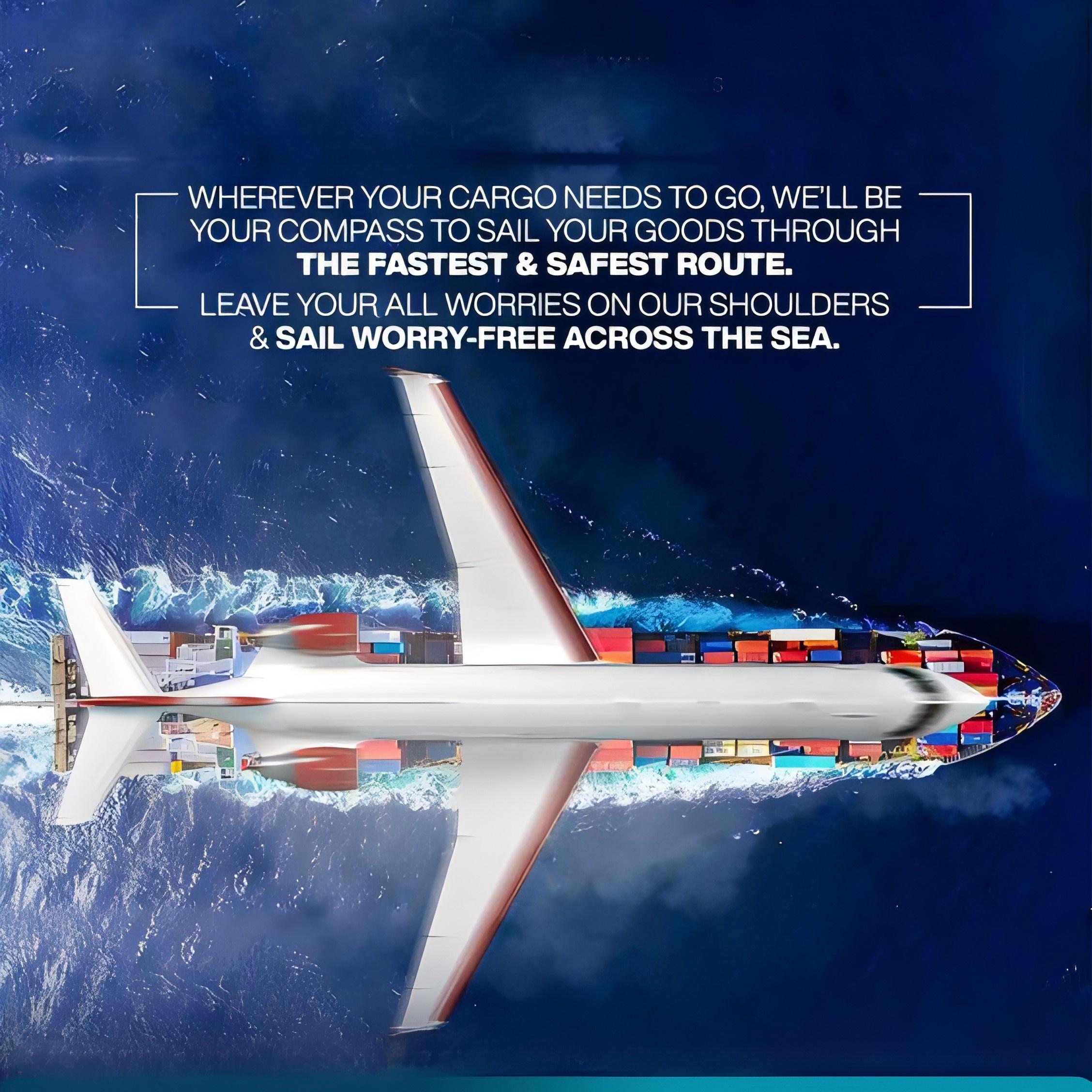
Understanding Freight from China to Thailand
Shipping goods from China to Thailand is a vital artery for many businesses, connecting manufacturing hubs with a growing consumer market. This route facilitates a vast range of products, from electronics to textiles and industrial components. Understanding the nuances of this specific trade lane is therefore essential for successful importation.
Indeed, efficient logistics are not merely about moving goods; they are about optimizing your supply chain and minimizing costs. Moreover, a well-planned freight strategy can significantly impact your business’s profitability and customer satisfaction. Consequently, choosing the right partner and method is paramount.
Key Shipping Methods to Thailand
Selecting the appropriate shipping method is crucial for balancing cost, speed, and cargo requirements. Each option offers distinct advantages, depending on your specific needs. Consider your budget, the urgency of your shipment, and the nature of your goods before deciding.
Furthermore, understanding the capabilities of each service helps in optimizing your logistics strategy. For instance, bulky items often require different solutions than small, high-value goods. Let’s explore the primary methods available for freight from China to Thailand.
Sea Freight from China to Thailand
Sea freight remains the most cost-effective option for large volume or heavy shipments. It is ideal for non-urgent cargo, offering significant savings compared to air transport. Transit times typically range from 15 to 25 days, depending on the origin port and service route.
However, sea freight involves longer transit times and can be subject to port congestion. Both Full Container Load (FCL) and Less than Container Load (LCL) options are available. Therefore, choosing between them depends on your cargo volume.
Generally, FCL is suitable for shipments exceeding 15-20 CBM, offering dedicated container space. Conversely, LCL allows smaller shipments to share container space, making it economical for lower volumes.
Air Freight from China to Thailand
For urgent or high-value goods, air freight provides the fastest transit times. Shipments usually arrive within 3-7 days, making it perfect for perishable items or time-sensitive inventory. This method minimizes inventory holding costs for many businesses.
Nonetheless, air freight is considerably more expensive than sea freight. Costs are calculated based on chargeable weight, which can be either actual weight or volumetric weight, whichever is greater. Consequently, careful packaging is important to manage costs.
Despite the higher cost, the speed and reliability of air freight often justify the investment for critical shipments. It ensures a quick turnaround for products needing to reach the Thai market rapidly.
Express Shipping from China to Thailand
Express shipping, often provided by carriers like DHL, FedEx, or UPS, offers a premium, door-to-door service for small to medium-sized packages. Transit times are exceptionally fast, usually 2-5 days. This method is highly convenient and includes customs clearance.
Moreover, express service is ideal for samples, documents, or e-commerce parcels requiring swift delivery. While more expensive per kilogram than standard air freight, its all-inclusive nature and speed can be beneficial for specific needs. It streamlines the entire shipping process.
Ultimately, the choice depends on the balance between speed, cost, and cargo size. Many importers utilize a combination of these methods based on their product portfolio and supply chain demands.
Door to Door Services
For maximum convenience, door to door service handles your shipment from the supplier’s factory in China directly to your specified address in Thailand. This comprehensive solution covers all logistics, including pickup, international transport, customs clearance, and final delivery. It simplifies complex international shipping.
This service is particularly beneficial for businesses without extensive logistics teams or those seeking a hassle-free experience. While potentially slightly more expensive than managing individual segments, it offers peace of mind and reduces administrative burden. Therefore, it is a popular choice for many importers.
How Does Sea Freight Compare to Other Shipping Options?
When planning your freight from China to Thailand, comparing different transportation modes is essential. Each option has a unique profile regarding cost, speed, and suitability for various cargo types. Making an informed decision can lead to significant savings and improved efficiency.
For example, while sea freight offers the lowest rates for bulk goods, air freight excels in speed for urgent shipments. Understanding these trade-offs is crucial for optimizing your supply chain. Let’s examine a comparison of the main methods.
| Shipping Method | Cost Range (per kg/CBM) | Typical Transit Time | Best For | Limitations |
|---|---|---|---|---|
| Sea Freight (LCL) | $50-120/CBM | 15-25 days | Large, non-urgent, heavy goods | Long transit, potential port delays |
| Sea Freight (FCL) | $1,000-2,500 per 20GP | 15-25 days | High volume, dedicated container | Long transit, specific volume needed |
| Air Freight | $4-8/kg | 3-7 days | Urgent, high-value, perishable goods | High cost, weight/volume restrictions |
| Express Shipping | $8-15/kg | 2-5 days | Small, urgent parcels, samples | Highest cost, strict size/weight limits |
Which Option Should You Choose?
Your choice hinges on several critical factors, primarily budget, urgency, and cargo characteristics. If budget is your priority and transit time is flexible, sea freight is generally the most economical. It suits bulk commodities and large machinery.
Conversely, if speed is paramount for your business, air freight or express shipping are superior options. These are ideal for fast-moving consumer goods or critical components. Furthermore, cargo type plays a significant role in this decision.
For instance, hazardous materials might have specific restrictions for air transport, pushing them towards sea freight. Similarly, fragile items might benefit from the quicker handling of air cargo, reducing exposure to transit risks. Always weigh these elements carefully.
Cost-Saving Strategies and Trade-offs
To reduce shipping costs, consider consolidating multiple smaller shipments into a single larger one, leveraging LCL sea freight for efficiency. Planning well in advance can also help avoid premium rates associated with expedited services. Booking off-peak seasons might also offer better rates.
Another strategy involves optimizing packaging to minimize volumetric weight, especially for air and express services. This directly impacts chargeable weight, leading to lower costs. However, these savings often come with trade-offs.
For example, opting for a cheaper, slower service means longer inventory holding times. This ties up capital and increases the risk of market fluctuations. Therefore, evaluate the total landed cost, not just the freight charge, to make the most informed decision.
Hybrid Solutions
In some cases, a hybrid approach can offer the best of both worlds. For example, using sea freight for the bulk of a large shipment and air freight for a smaller, urgent portion. This balances cost efficiency with timely delivery for critical components.
Moreover, combining services like sea freight to a major hub, followed by domestic express delivery, can also optimize your supply chain. These tailored solutions require careful coordination but can yield significant benefits. Consult with your freight forwarder for such customized strategies.
Market Context and Pricing Disclaimer
As of Q1 2025, freight rates from China to Thailand have shown a degree of stability, though global events can still cause fluctuations. Typical rates are influenced by fuel costs, carrier capacity, and seasonal demand. Peak seasons, such as before major holidays, often see rates increase by 10-20%.
Note: Freight rates are subject to change based on fuel costs, carrier capacity, and seasonal demand. Contact us for a current quote tailored to your specific shipment.
Navigating Customs and Documentation
Efficient customs clearance is a cornerstone of smooth international shipping. Improper documentation or a lack of understanding of Thai import regulations can lead to significant delays and additional costs. Therefore, preparing thoroughly is essential.
Understanding the requirements for customs brokerage ensures your goods move seamlessly across borders. Thailand has specific rules for various product categories. Consequently, working with experienced professionals is highly recommended.
Required Documents for Import to Thailand
To import goods into Thailand, several key documents are typically required. These include the Commercial Invoice, Packing List, Bill of Lading (for sea freight) or Air Waybill (for air freight), and a Certificate of Origin. Accurate and complete documentation prevents customs hold-ups.
Furthermore, depending on the type of goods, additional permits or licenses might be necessary. For instance, certain food products, pharmaceuticals, or electronics require specific import permits from relevant Thai government agencies. Always verify specific requirements for your cargo.
Missing or incorrect information on any document can result in penalties or extended clearance times. Therefore, meticulous attention to detail is paramount for all paperwork. This minimizes potential disruptions in your supply chain.
Duties and Taxes
Import duties and taxes are levied by the Thai Customs Department based on the Harmonized System (HS) code of your goods. These charges can significantly impact the total landed cost of your products. It is crucial to accurately classify your items to avoid discrepancies.
Thailand uses a tiered duty system, and VAT (Value Added Tax) is generally 7%. Calculating these costs in advance helps in accurate pricing and budgeting. Consequently, understanding the HS codes for your products is a critical step. An experienced freight forwarder can assist with this.
Moreover, certain trade agreements, like the ASEAN-China Free Trade Area (ACFTA), might offer preferential duty rates. Checking eligibility for such agreements can lead to substantial cost savings for your freight from China to Thailand. Leverage these agreements where possible.
Customs Documents Checklist
| Document | Purpose | Notes |
|---|---|---|
| Commercial Invoice | Proof of sale, value of goods | Must be accurate and detailed |
| Packing List | Details of cargo content | Matches invoice, provides itemized list |
| Bill of Lading / Air Waybill | Contract of carriage, title to goods | Issued by carrier, crucial for release |
| Certificate of Origin | Proves country of manufacture | May reduce duties under trade agreements |
| Import License / Permit | Required for controlled goods | Specific to product type (e.g., food, pharma) |
| Insurance Certificate | Proof of cargo insurance | Recommended for risk mitigation |

Calculating Your Freight Costs
Estimating the total cost of shipping freight from China to Thailand involves more than just the base freight rate. Various charges contribute to the overall expenditure, and understanding each component is key to accurate budgeting. A clear cost breakdown helps avoid unexpected expenses.
Many factors influence the final cost, including the chosen shipping method, cargo volume, weight, and specific service requirements. Therefore, requesting a detailed quote from your freight forwarder is always advisable. This ensures transparency in pricing.
Factors Influencing Shipping Costs
Several elements combine to determine the final cost of your shipment. These include the origin and destination, the type and quantity of goods, and the urgency of delivery. Fuel surcharges and peak season adjustments also impact rates significantly.
Furthermore, additional services like customs clearance, cargo insurance, warehousing, and local transportation add to the total. Exchange rate fluctuations can also affect costs, especially for payments made in different currencies. Always consider these variables.
Ultimately, the more information you can provide to your logistics partner, the more accurate your freight quote will be. This detailed approach helps in planning your budget effectively for freight from China to Thailand.
Estimated Cost Components
| Cost Component | Description | Typical Range |
|---|---|---|
| Ocean/Air Freight Rate | Base cost for international transport | Varies by method, weight, volume |
| Origin Charges | Handling, documentation at origin port/airport | $50-200 (LCL), $200-500 (FCL) |
| Destination Charges | Handling, documentation at destination port/airport | $100-300 (LCL), $300-800 (FCL) |
| Customs Clearance Fee | Brokerage services for import clearance | $50-200 per shipment |
| Duties & Taxes | Government levies based on HS code | Product-specific, % of CIF value |
| Local Delivery | Transport from port/airport to final destination | Varies by distance, cargo size |
| Cargo Insurance | Optional coverage against loss/damage | 0.3%-0.5% of cargo value |
Transit Times: What to Expect
Understanding expected transit times is crucial for inventory management and production planning. The duration of your freight from China to Thailand varies significantly based on the chosen shipping method, specific origin and destination ports, and carrier schedules. Planning accordingly is vital.
Several factors can influence these timelines, including weather conditions, port congestion, and customs processing efficiency. Therefore, it is always wise to build in a buffer for unexpected delays. This helps maintain supply chain resilience.
| Shipping Method | Origin Port (China) | Destination Port (Thailand) | Typical Transit Time |
|---|---|---|---|
| Sea Freight (FCL/LCL) | Shanghai/Ningbo | Laem Chabang | 18-25 days |
| Sea Freight (FCL/LCL) | Shenzhen/Guangzhou | Laem Chabang | 15-22 days |
| Air Freight | Shanghai Pudong (PVG) | Bangkok Suvarnabhumi (BKK) | 3-5 days |
| Air Freight | Guangzhou Baiyun (CAN) | Bangkok Suvarnabhumi (BKK) | 3-5 days |
| Express Shipping | Major China Cities | Major Thailand Cities | 2-5 days |
Optimizing Your Shipping Strategy
Developing an optimized shipping strategy is key to reducing costs and improving efficiency for your freight from China to Thailand. This involves making informed decisions about container usage and leveraging comprehensive logistics services. Strategic planning can yield significant competitive advantages.
Consider the specifics of your cargo, your budget constraints, and your delivery deadlines. These elements collectively guide the best approach. Consequently, a tailored strategy outperforms a one-size-fits-all solution.
FCL vs. LCL: Which is Right for You?
Deciding between Full Container Load (FCL) and Less than Container Load (LCL) depends primarily on your shipment volume. FCL means you lease an entire container for your goods, regardless of whether it’s completely full. This offers security and faster transit as there’s no consolidation or deconsolidation at ports.
Conversely, LCL involves sharing container space with other shippers. This is highly cost-effective for smaller volumes (typically under 15-20 CBM) as you only pay for the space your cargo occupies. However, LCL shipments may experience slightly longer transit times due to the consolidation process. Weigh your volume against urgency.
For example, if your goods fill more than half a container, FCL often becomes more economical than LCL due to fixed costs. Analyze your cargo volume carefully to make the most cost-efficient choice for your freight from China to Thailand.
Considering Door-to-Door Services
For many businesses, particularly SMEs, a door to door service simplifies the entire shipping process. This eliminates the need to coordinate multiple logistics providers for different legs of the journey. It covers everything from factory pickup to final delivery.
This comprehensive solution reduces administrative burden and potential communication errors. While it might appear pricier upfront, the convenience, reduced risk, and time savings often justify the investment. Therefore, it is an excellent option for streamlining your supply chain.
A reliable freight forwarder offering door-to-door services can manage all aspects, including customs clearance and local transportation. This allows you to focus on your core business operations with peace of mind. Seek a partner with proven expertise in this area.
Cargo Consolidation Benefits
Consolidating multiple smaller orders from different suppliers in China into one larger shipment can yield substantial cost savings. This strategy is particularly effective for LCL sea freight or air freight. It minimizes individual handling fees and administrative costs.
By combining goods, you can potentially achieve better freight rates per unit volume or weight. This approach requires careful coordination at the origin, often facilitated by a freight forwarder with warehousing capabilities. Therefore, choose a partner who can manage this process efficiently.
Ultimately, cargo consolidation optimizes container or aircraft space, making your freight from China to Thailand more economical. It is a smart move for businesses dealing with various suppliers and frequent, smaller orders. Explore this option to reduce your overall logistics spend.

Real-World Shipping Scenarios
Examining actual shipping cases provides valuable insights into the practical application of different freight strategies. These scenarios highlight how various factors influence the choice of shipping method, cost, and transit time. Understanding these examples can help you better plan your own shipments.
Each case study demonstrates a specific challenge and its logistical solution. They illustrate the trade-offs involved in balancing speed, cost, and cargo type. Consequently, these real-world examples offer practical guidance for optimizing your freight from China to Thailand.
Case Study 1: Large Volume B2B Shipment
This case involved a manufacturing company importing a substantial quantity of electronic components for assembly in Thailand. Volume and cost-efficiency were the primary concerns, with a moderate urgency.
| Detail | Description |
|---|---|
| Route | Shenzhen, China -> Laem Chabang, Thailand |
| Cargo | Electronic components, 22 CBM, 10,500 kg |
| Container | 1 x 40GP FCL |
| Shipping Details | |
| – Carrier/Service | Major ocean carrier (e.g., COSCO) |
| – Port of Loading | Shenzhen |
| – Port of Discharge | Laem Chabang |
| – Route Type | Direct service |
| Cost Breakdown (based on Q3 2024 market rates) | |
| – Ocean Freight | $1,850 |
| – Origin Charges (THC, documentation) | $320 |
| – Destination Charges | $480 |
| – Customs & Duties (estimated) | $750 |
| – Total Landed Cost (estimated) | $3,400 |
| Timeline | |
| – Booking to Loading | 5 days |
| – Sea Transit | 18 days |
| – Customs Clearance | 3 days |
| – Total Door-to-Door | 26 days |
| Key Insight | FCL sea freight offered the best balance of cost and transit time for this large, non-urgent shipment. Direct service minimized delays. |
Case Study 2: Time-Sensitive E-commerce Goods
An e-commerce retailer needed to restock popular fashion accessories quickly to meet seasonal demand in Thailand. Speed was the absolute priority to capitalize on market trends, despite higher costs.
| Detail | Description |
|---|---|
| Route | Shanghai, China -> Bangkok, Thailand |
| Cargo | Fashion accessories, 2.5 CBM, 450 kg (chargeable weight) |
| Container | Air Cargo |
| Shipping Details | |
| – Carrier/Service | Major airline cargo (e.g., Thai Airways Cargo) |
| – Port of Loading | Shanghai Pudong (PVG) |
| – Port of Discharge | Bangkok Suvarnabhumi (BKK) |
| – Route Type | Direct flight |
| Cost Breakdown (based on early 2025 market rates) | |
| – Air Freight | $2,700 ($6/kg) |
| – Origin Charges (handling, documentation) | $150 |
| – Destination Charges | $200 |
| – Customs & Duties (estimated) | $350 |
| – Total Landed Cost (estimated) | $3,400 |
| Timeline | |
| – Booking to Loading | 2 days |
| – Air Transit | 3 days |
| – Customs Clearance | 1 day |
| – Total Door-to-Door | 6 days |
| Key Insight | Air freight ensured rapid delivery, crucial for fast-moving consumer goods. The higher cost was justified by market demand and inventory turnover. |
Case Study 3: Consolidated Small Parcels
A small business was importing various craft supplies from multiple suppliers in Yiwu. The challenge was to consolidate these small, disparate shipments cost-effectively.
| Detail | Description |
|---|---|
| Route | Ningbo, China -> Laem Chabang, Thailand |
| Cargo | Craft supplies from 3 suppliers, 4 CBM, 800 kg |
| Container | LCL Sea Freight |
| Shipping Details | |
| – Carrier/Service | LCL consolidator |
| – Port of Loading | Ningbo |
| – Port of Discharge | Laem Chabang |
| – Route Type | Transshipment via Singapore |
| Cost Breakdown (based on Q4 2024 market rates) | |
| – Ocean Freight (LCL) | $400 ($100/CBM) |
| – Origin Charges (consolidation, documentation) | $250 |
| – Destination Charges | $350 |
| – Customs & Duties (estimated) | $200 |
| – Total Landed Cost (estimated) | $1,200 |
| Timeline | |
| – Booking to Loading | 7 days (for consolidation) |
| – Sea Transit | 20 days |
| – Customs Clearance | 4 days |
| – Total Door-to-Door | 31 days |
| Key Insight | LCL consolidation was the most economical solution for multiple small shipments. While transit was longer due to transshipment and consolidation, the cost savings were substantial. |
Choosing the Right Freight Forwarder
Selecting a competent freight forwarder is perhaps the most critical decision for successful international shipping. A reliable partner can navigate complex logistics, customs, and documentation, ensuring your freight from China to Thailand proceeds smoothly. Their expertise can save you time and money.
Look for a forwarder with extensive experience on the China-Thailand route, a strong network, and excellent customer service. Transparency in pricing and communication is also paramount. Moreover, a good forwarder acts as an extension of your own logistics team.
Market Insights and Current Trends
The global logistics landscape is constantly evolving, impacting freight from China to Thailand. Current trends include increased digitalization of shipping processes and a growing emphasis on supply chain resilience. Geopolitical events and fuel price fluctuations continue to influence freight rates and transit times.
As of early 2025, market data suggests a relatively stable environment for this route, though seasonal peaks, particularly leading up to major holidays, can still cause temporary rate increases. Staying informed about these trends helps in proactive planning. For instance, booking in advance during peak season can mitigate higher costs.
Streamlining Your Freight from China to Thailand
Successfully managing freight from China to Thailand demands a strategic approach and a deep understanding of logistics. By carefully selecting your shipping method, preparing accurate documentation, and partnering with a reliable freight forwarder, you can ensure efficient and cost-effective delivery. This guide has outlined the key considerations for a smooth shipping experience.
Ultimately, whether you prioritize speed, cost, or a balance of both, informed decisions are paramount. Leverage the expertise of professionals to navigate customs, optimize routes, and manage potential challenges. A well-executed logistics plan is crucial for the success of your imports from China to Thailand.
Need a tailored shipping solution?
Ready to optimize your freight from China to Thailand? Contact us today for a personalized quote and expert advice. Our team at China Top Freight is dedicated to providing seamless and efficient shipping solutions tailored to your business needs.