1. Introduction

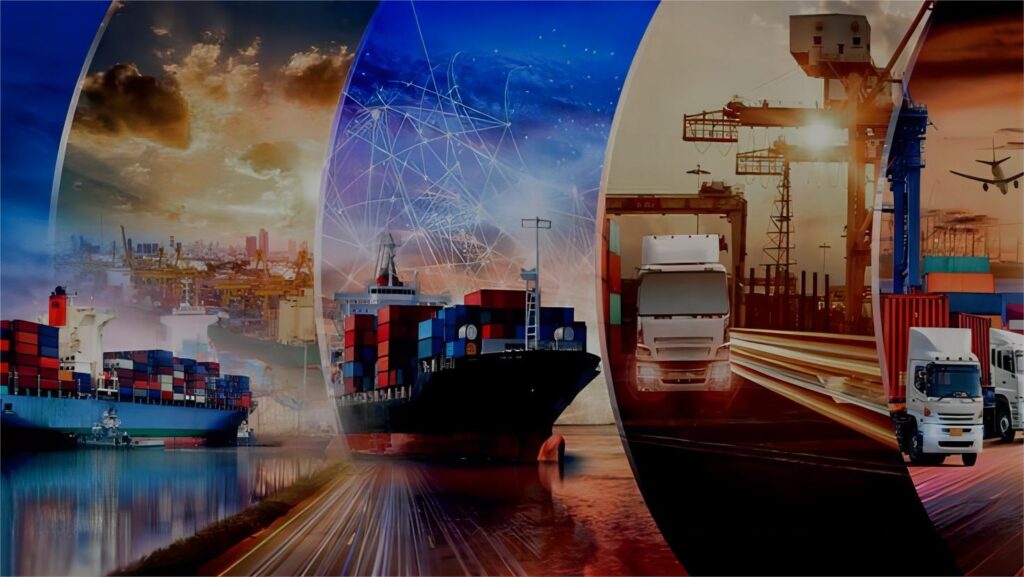
Freight handling involves managing the physical movement of goods from loading and unloading to careful storage and onward transportation. Proper handling ensures cargo integrity and timely delivery across air, sea, rail, or road routes.

railroad from china to europe

📌2. Shipping Time & Handling Conditions

No.Route & ModeAvg. Transit TimeHandling Conditions
1China → USA (Sea)20–35 daysMultiple handling points; secure palletizing vital
2China → Europe (Air)3–7 daysRapid transfers; labeling and scanning key
3Rail (Asia-Europe)10–20 daysNeeds crate securing and shifting between modes
4Domestic (Road)1–5 daysFrequent dock handling; shock protection needed

3. Key Cost Factors in Freight Handling

Key elements influencing freight handling costs include:

  • Handling Complexity – Multiple load/unload steps raise handling fees.
  • Packaging Materials – Quality pallets, crates, and cushioning impact cost.
  • Transit Mode – Faster modes require more careful, expensive handling.
  • Security Needs – Fragile or sensitive cargo often needs special care.
  • Storage & Warehousing – Temporary holding before and after transport adds fees.

📌 4. Common Freight Handling Terms

LTL (Less Than Truckload): Shipments consolidated into shared vehicles to reduce handling. 

Dimensional Weight: Costing based on shipment volume or actual weight—whichever is greater.

NMFC Codes: Standard system that dictates packaging standards and handling guidelines.

Freight Handler: The person responsible for physically moving and securing cargo. 

Drayage: Short-haul trucking to and from ports or freight hubs. 

Cargo Consolidation: Combining smaller shipments to optimize handling and transport efficiency.


5. Best Practices for Efficient Freight Handling

  • Use sturdy pallets and crates to protect against multiple transfers.
  • Label packages clearly—include handling instructions and contact info.
  • Train handlers in safe loading protocols (e.g., forklift operation).
  • Track cargo at key transfer points to anticipate handling needs.
  • Plan routes and packaging according to handling mode (sea, air, road).
railroad from china to europe

6. Request a Quote

 China Top Freight offers:

  • ✅ Origin and Destination Countries
  • ✅ Cargo Type and Volume
  • ✅ Preferred Transport Method (Air, Sea, Rail, Road)
  • ✅ Delivery Timeline
  • ✅ Special Handling Requirements (if any)

💬7. FAQ

What’s the difference between freight handling and freight forwarding?

Freight handling involves physically moving and managing cargo, while freight forwarding focuses on logistics coordination.

Not always—cargo insurance may be needed to cover damages during handling.

Typically, warehouse staff, stevedores, or trained freight handlers oversee cargo movement.

It can cause damage, delays, increased costs, and customer dissatisfaction.

Yes—temperature control, proper packaging, and monitoring are essential.

Post a Comment