

Understanding the freight rate for FCL shipping from China to Texas is essential for importers seeking cost efficiency and predictable delivery timelines. Although FCL shipping is one of the most stable logistics methods, rates fluctuate due to market demand, fuel changes, port congestion, and seasonal impacts; however, with the right strategies, businesses can reduce costs and gain better control over their supply chain.
What Determines the Freight Rate for FCL Shipping from China to Texas?

The freight rate for FCL shipping from China to Texas depends on multiple variables that shift weekly. Moreover, importers must evaluate each factor to avoid unexpected cost increases.
Major pricing influences
- Market demand and carrier capacity
- Fuel surcharges and bunker adjustments
- Port congestion in China or Texas
- China–U.S. trade seasonality
- Container type (20GP, 40GP, 40HQ)
- Inland trucking availability in Texas
What Is the Typical Cost for FCL Shipping from China to Texas?
Table Title: Container Pricing Range
| Container Type | Typical Freight Rate (USD) | Notes |
|---|---|---|
| 20GP FCL | $2,800–$4,200 | Best for small cargo |
| 40GP FCL | $3,800–$5,500 | Popular for mixed goods |
| 40HQ FCL | $3,900–$5,800 | Best for volume cargo |
Rates may vary during peak seasons such as Q3–Q4 due to rising consumer demand.
How Long Does FCL Shipping Take from China to Texas?
Texas imports typically arrive through Houston, Dallas (via rail), or Austin.
Table Title: Transit Time by Port of Loading
| Port of Loading | Arrival Port (Texas) | Transit Time (Days) |
|---|---|---|
| Shenzhen | Houston | 25–30 days |
| Ningbo | Houston | 27–33 days |
| Shanghai | Houston | 28–35 days |
| Qingdao | Houston | 30–38 days |
| Shanghai | Dallas (Rail) | 32–40 days |
Transit times include ocean voyage + U.S. inland handling.
What are you waiting for?
Contact chinatopfreight for a fast, free quote.
Are you ready to book?
Access live instant freight quotes
Why Do Importers Prefer FCL Shipping to Texas?
FCL shipping offers predictable supply chain performance and lower per-unit cost. Additionally, it reduces handling risks because only one shipper occupies the container.
Key advantages
- Lower cost for medium-to-large shipments
- Faster handling vs LCL
- Reduced risk of cargo damage
- Stable weekly vessel schedules
What Documents Are Required for FCL Shipping to Texas?
Table Title: Customs Document Checklist
| Document | Purpose |
|---|---|
| Commercial Invoice | Value declaration |
| Packing List | Packaging details |
| Bill of Lading | Release document |
| ISF 10+2 | Mandatory pre-filing |
| HTS Classification | Duty evaluation |
| Arrival Notice | Required for pickup |
Providing complete documents before departure reduces customs delays.
How Does the Shipping Method Affect the Freight Rate?
Table Title: Shipping Method Comparison
| Mode | Cost | Transit Time | Pros | Cons |
|---|---|---|---|---|
| Sea FCL | Low | 25–38 days | Best for bulk cargo | Slow delivery |
| Sea LCL | Medium | 30–45 days | No need full container | More handling |
| Air Freight | High | 3–7 days | Fastest | Expensive |
| Express Courier | Very High | 3–6 days | Door-to-door | Not for heavy cargo |
FCL remains the most cost-efficient option for most Texas-bound shipments.
What Are the Main Ports in Texas for China–U.S. FCL Shipping?
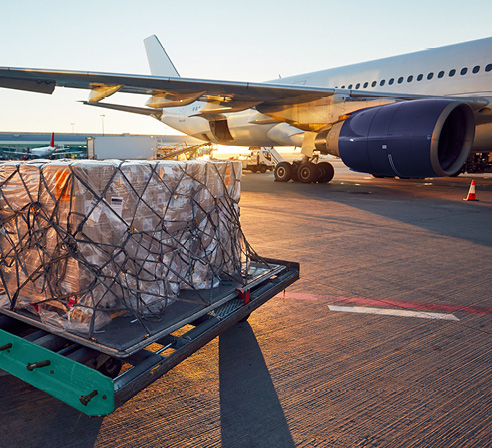
Texas has multiple receiving points depending on your inland delivery.
Primary gateways
- Port of Houston (40%+ of Texas imports)
- Dallas–Fort Worth rail ramp
- San Antonio inland terminal
These ports integrate tightly with rail and trucking networks for statewide distribution.
How Do Fuel Surcharges Impact the Freight Rate for China–Texas FCL Shipping?
Fuel surcharges (BAF/Bunker Adjustment Factor) adjust monthly and impact rate stability. Furthermore, global oil price volatility directly affects freight pricing.
Additional surcharges may include
- Peak season surcharge (PSS)
- Equipment imbalance surcharge (EIS)
- General rate increase (GRI)
Why Does Seasonality Affect the Freight Rate?
Seasonal import surges increase rates dramatically. Additionally, certain months create heavy congestion at Chinese ports.
Peak seasonal periods
- July–October (back-to-school and retail stocking)
- November–December (holiday surge)
- Pre–Chinese New Year rush
Planning around these windows lowers freight costs.
Can Importers Reduce the Freight Rate for FCL Shipping to Texas?
Yes. Importers can reduce costs through strategic booking and supplier coordination.
Cost-saving strategies
- Book 2–3 weeks early
- Avoid major holidays
- Select alternative loading ports
- Use 40HQ for volume optimization
- Consolidate cargo at the factory
Conclusion
The freight rate for FCL shipping from China to Texas depends on container type, carrier schedules, seasonal demand, fuel costs, and inland transport. However, importers can control expenses by booking early, selecting efficient ports, and maintaining complete documentation. With strategic planning and reliable logistics partners, FCL shipping to Texas becomes predictable, cost-effective, and highly efficient for businesses of all sizes.
FAQ
1. How early should I book FCL shipping from China to Texas?
Booking at least two weeks early helps secure space, avoids peak season surcharges, and ensures stable departure dates for Texas-bound shipments.
2. Which Texas port is best for receiving FCL containers?
The Port of Houston is the most efficient because it offers strong rail connections, extensive trucking capacity, and fast handling for inbound containers.
3. Do FCL shipments to Texas require ISF filing?
Yes. ISF 10+2 filing is mandatory before cargo departure. Filing late may result in penalties and increased screening at arrival ports.
4. What is the best container type for large shipments?
A 40HQ offers the best cubic capacity, making it ideal for large-volume cargo. It provides more efficient space usage than 20GP or 40GP units.
5. How do peak seasons affect freight rates?
During peak periods, rates rise quickly due to high demand and limited container availability. Early booking helps reduce cost exposure.