

- By kelly
- September 17, 2025
- Logistics, Tips or Guide
Freight Rates from China to India: 2025 Cost & Shipping Guide
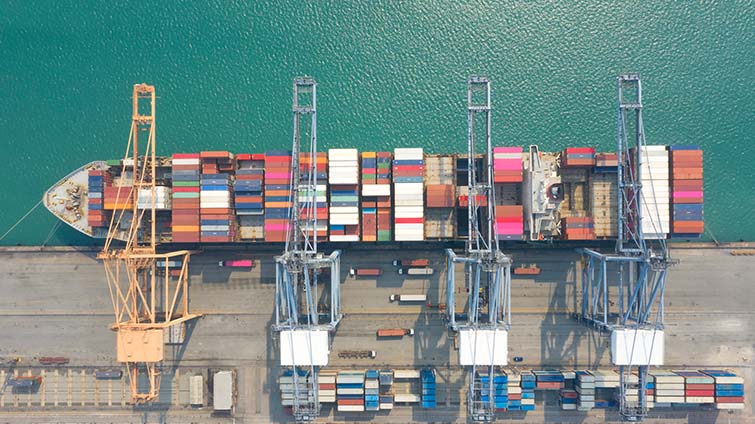
Managing freight rates from China to India is one of the biggest challenges for importers and exporters. Prices fluctuate due to demand, seasonality, and fuel costs, making it hard to predict logistics budgets. However, with the right knowledge, businesses can reduce costs and improve supply chain efficiency. This guide breaks down freight methods, average prices, transit times, and customs essentials.
What Factors Influence Freight Rates from China to India?
Freight pricing depends on several key variables:
- Mode of transport (sea, air, rail, courier).
- Container size & weight (20ft, 40ft, LCL, per kg for air).
- Origin and destination ports (Shanghai to Mumbai vs. Shenzhen to Chennai).
- Seasonal demand (pre-Diwali and Chinese New Year peak surcharges).
- Customs clearance charges and import duties.
- Incoterms (FOB, CIF, DDP).
Moreover, freight forwarders often adjust rates weekly to reflect global supply chain conditions.
What Are the Average Freight Rates from China to India?
| Shipping Method | Average Cost | Transit Time | Best For | Drawbacks |
|---|---|---|---|---|
| Sea Freight (FCL 20ft) | $1,200 – $1,800 | 20–30 days | Bulk cargo | Slow, subject to delays |
| Sea Freight (LCL) | $80 – $120 per CBM | 25–35 days | Small/medium shipments | Longer handling & clearance |
| Air Freight | $4 – $7 per kg | 4–7 days | Urgent goods | High cost per kg |
| Rail Freight | $2,000 – $3,000/container | 15–20 days | Mid-volume shipments | Limited direct routes |
| Courier/Express | $7 – $12 per kg | 3–5 days | Parcels & e-commerce | Not viable for bulk shipments |
Additionally, rates may vary by ±15% depending on the season and port congestion.
Why Do Freight Rates from China to India Fluctuate?
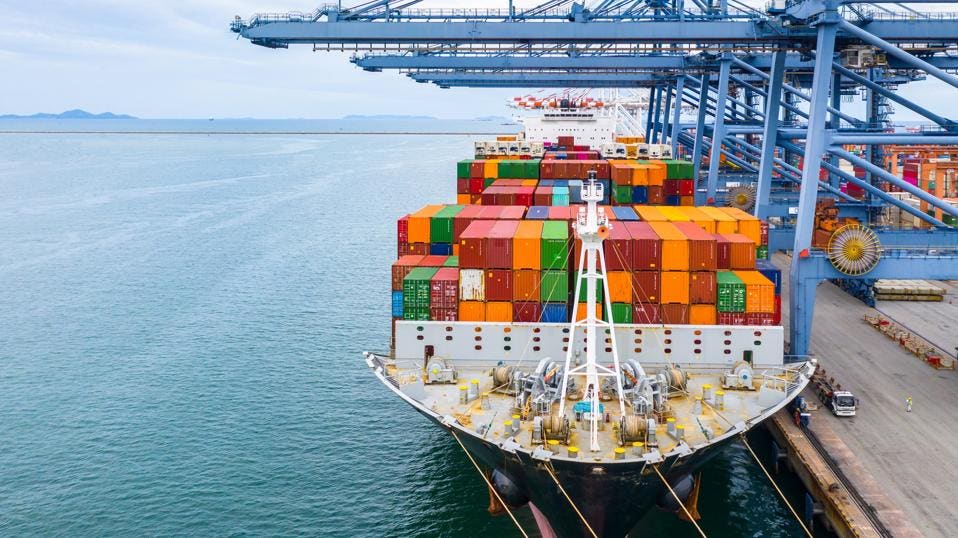
Rates change frequently due to:
- Fuel price volatility.
- Global trade slowdowns or surges.
- Container shortages.
- Weather disruptions at ports.
- Currency exchange fluctuations.
Therefore, shippers should always request fresh quotes before finalizing orders.
Is Sea Freight the Cheapest Option?
Yes, sea freight remains the most cost-effective choice for bulk imports.
- FCL (Full Container Load): Cheaper per unit, safer for large volumes.
- LCL (Less than Container Load): Suitable for SMEs, though slower.
Moreover, combining multiple small shipments into one FCL container can reduce costs significantly.
FCL vs LCL: Which Is Better for India-Bound Cargo?
| Factor | FCL (Full Container) | LCL (Shared Container) |
|---|---|---|
| Cost | $1,200 – $1,800 (20ft) | $80 – $120 per CBM |
| Transit Time | Faster customs clearance | Slower, due to consolidation |
| Best For | Large, stable shipments | Small, irregular loads |
| Risks | Minimal mixing of goods | Risk of cargo damage/mixing |
Additionally, many importers switch to FCL once their shipment exceeds 15 CBM.
How Do Air Freight Rates Compare to Sea Freight?
Air freight is best for urgent, lightweight, or high-value cargo.
| Aspect | Air Freight | Sea Freight |
|---|---|---|
| Cost | $4 – $7 per kg | $80 – $120 per CBM |
| Speed | 4–7 days | 20–30 days |
| Reliability | High | Moderate (weather risk) |
| Best Use | Electronics, fashion | Furniture, raw materials |
Therefore, while expensive, air freight saves time and reduces inventory risks.
What Documents Affect Freight Rates from China to India?
| Document | Purpose |
|---|---|
| Commercial Invoice | Declares value for customs |
| Packing List | Details cargo contents |
| Bill of Lading (B/L) | Confirms shipping contract |
| Air Waybill (AWB) | For air freight shipments |
| Certificate of Origin | Classifies tariff benefits |
| Insurance Certificate | Protects goods during transit |
Incomplete or incorrect documentation often causes delays and additional charges.
How Long Does Shipping Take from China to India?
| Route | Mode | Average Time |
|---|---|---|
| Shanghai → Mumbai | Sea FCL | 22–28 days |
| Shenzhen → Chennai | Sea LCL | 25–35 days |
| Beijing → Delhi | Air | 4–6 days |
| Xi’an → Kolkata | Rail | 15–20 days |
| Courier Express | Air | 3–5 days |
Moreover, customs clearance can add 2–5 days.
What Are the Pros and Cons of Shipping Methods?
| Method | Pros | Cons |
|---|---|---|
| Sea | Lowest per-unit cost, bulk ready | Long transit times |
| Air | Fast, reliable | Expensive |
| Rail | Balanced cost and time | Limited service availability |
| Courier | Door-to-door, fast | High cost for large volumes |
Therefore, businesses often use a mix of methods depending on urgency and budget.
How Can Importers Lower Freight Rates from China to India?
- Book early during peak season.
- Consolidate cargo to save on LCL charges.
- Compare multiple forwarders for competitive pricing.
- Choose optimal Incoterms (FOB, CIF, DDP).
- Avoid peak demand periods when possible.
- Leverage digital freight platforms for transparency.
Additionally, maintaining strong partnerships with reliable freight forwarders helps secure better rates.
📦Get a Free Quote
Looking for the most competitive freight rates from China to India? Our team specializes in sea, air, and rail shipping, offering transparent quotes, customs support, and real-time tracking. Contact us today to request a tailored freight solution for your business.
❓ Frequently Asked Questions
Q1: What is the average sea freight rate from China to India?
It costs around $1,200–$1,800 for a 20ft container or $80–$120 per CBM for LCL shipments.
Q2: How long does air freight take from China to India?
Air freight takes 4–7 days, making it the fastest option compared to sea freight.
Q3: Are freight rates from China to India stable?
No, they fluctuate weekly due to fuel prices, demand, and container availability.
Q4: Which Incoterm is best for Indian importers?
FOB offers cost control, while DDP includes all charges for convenience.
Q5: Can small businesses ship cost-effectively from China to India?
Yes, LCL shipping and courier services are suitable for smaller loads.
Conclusion
The freight rates from China to India vary depending on transport mode, cargo volume, and seasonality. Sea freight remains the cheapest for bulk goods, while air freight ensures speed for urgent deliveries. Moreover, careful planning, proper documentation, and working with trusted freight forwarders can reduce costs and improve efficiency. Businesses that stay proactive in comparing rates and booking strategically will always gain a competitive edge.