

- By carlie tj
- August 15, 2025
- Tips or Guide
Freight technology uses AI, automation, and real-time tracking to make shipping faster, safer, and more cost-efficient.
1. What is Freight Technology?
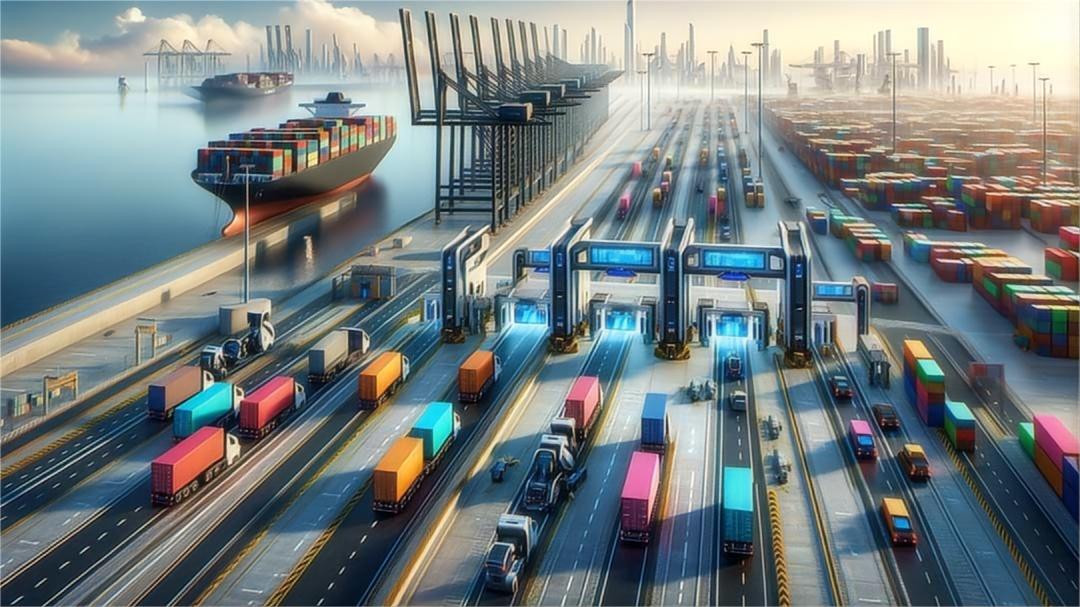
Freight technology refers to the use of digital tools, automation, and data analytics to optimize logistics operations. This includes real-time tracking, AI-driven route planning, digital freight platforms, and automated warehousing. These innovations aim to enhance efficiency, reduce costs, and improve transparency in the supply chain.
📌2. Shipping Times, Conditions & Terms
| Sort No. | Transport Mode | Estimated Shipping Time | Conditions & Terms |
|---|---|---|---|
| 1 | Air Freight | 5–10 days | Standard handling, no special packaging, follows airline schedules |
| 2 | Sea Freight | 25–40 days | Shared container space, no temperature control, suitable for bulk cargo |
| 3 | Rail Freight | 15–25 days | Rail transport with speed and cost between sea and air |
| 4 | Multimodal Freight | 15–30 days | Combination of air, sea, and land for balanced time and cost |
| 5 | Express Freight | 3–7 days | Higher priority in air freight with additional cost |
| 6 | Oversized Freight | 30–45 days | Standard handling for large cargo with special loading arrangements |
| 7 | Automated Freight | Varies by system | Integration of automated systems for loading and unloading |
3. Why Use Freight Technology?
- Cost Efficiency: Automates manual processes, reducing labor costs and minimizing errors.
- Real-Time Visibility: Provides up-to-date tracking information, enhancing transparency.
- Optimized Routing: AI algorithms determine the most efficient routes, saving time and fuel.
- Scalability: Easily adapts to increasing shipment volumes without proportional increases in cost.
- Enhanced Customer Experience: Faster and more reliable deliveries improve customer satisfaction.
📌4. Common Terms in Freight Technology
1.AI-Powered Route Optimization: Using artificial intelligence to determine the most efficient shipping routes.
2.Digital Freight Platforms: Online platforms that connect shippers with carriers, streamlining the booking process.
3.Real-Time Tracking: Monitoring shipments in real-time to provide up-to-date status information.
4.Automated Warehousing: The use of robotics and automation in warehouses to speed up sorting and packing processes.
5.Blockchain in Logistics: Utilizing blockchain technology for secure and transparent transaction records.
5. How to Get Started
To leverage freight technology, consider the following steps:
- Assess Your Needs: Determine which aspects of your logistics operations could benefit from technological enhancements.
- Research Solutions: Explore various freight technology platforms and tools that align with your requirements.
- Implement Gradually: Start with pilot programs to test the effectiveness of new technologies before full-scale implementation.
- Train Your Team: Ensure that your staff is adequately trained to use new systems and tools effectively.
6. Request a Quote
China Top Freight offers:
- ✅ Origin and Destination Countries
- ✅ Cargo Type and Volume
- ✅ Preferred Transport Method (Air, Sea, Rail, Road)
- ✅ Delivery Timeline
- ✅ Special Handling Requirements (if any)
7. FAQ
Q1: What is the role of AI in freight technology?
A1: AI helps optimize routes, predict delivery times, and manage inventory more efficiently.
Q2: How does real-time tracking benefit shippers?
A2: It provides up-to-date information on shipment status, allowing for proactive management and improved customer service.
Q3: What is a digital freight platform?
A3: It’s an online platform that connects shippers with carriers, simplifying the booking and management of shipments.
Q4: Can freight technology reduce shipping costs?
A4: Yes, by optimizing routes and automating processes, freight technology can lead to significant cost savings.
Q5: Is freight technology suitable for small businesses?
A5: Absolutely, many solutions are scalable and can be tailored to meet the needs of small businesses.