

- By carlie tj
- August 15, 2025
- Tips or Guide, Transport
Freight trail uses multiple transportation modes—rail, road, sea, or air—to move goods efficiently, reduce costs, and improve delivery reliability.
1. What is Freight Trail?
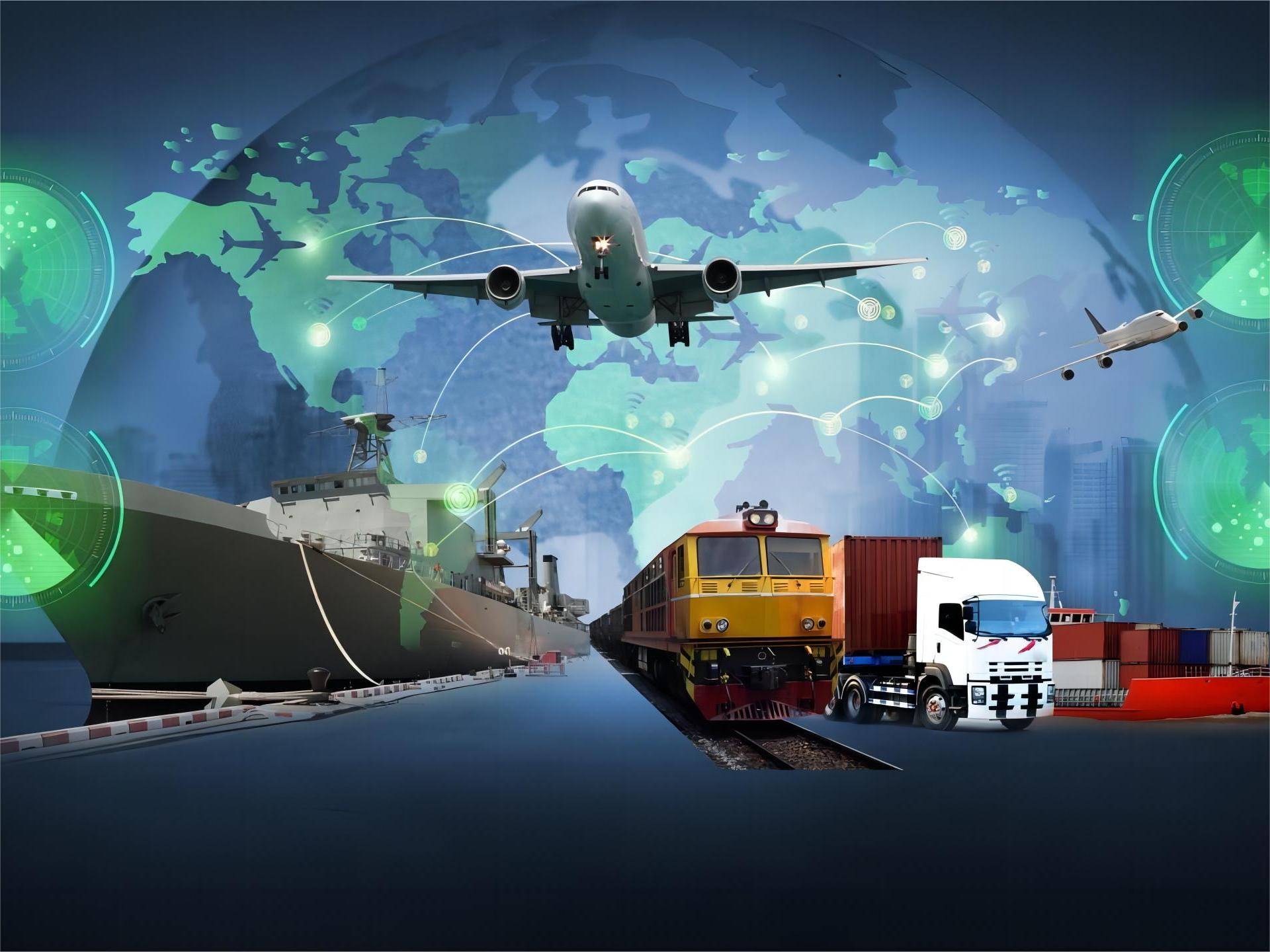
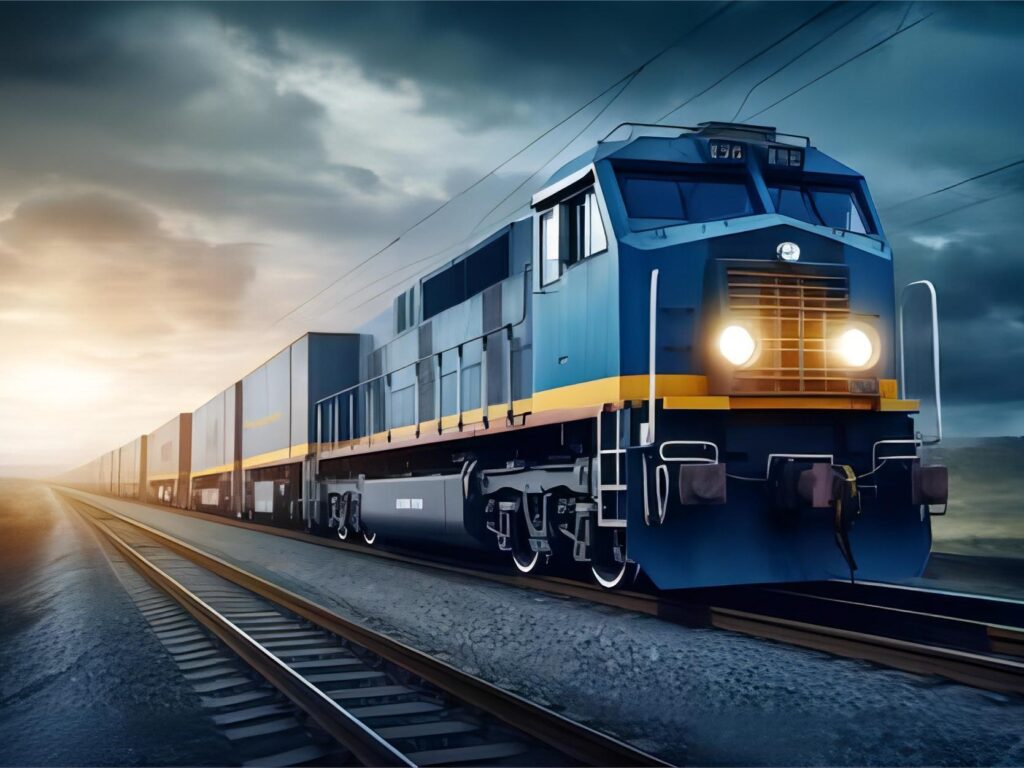
A freight trail refers to a combination of transportation modes—such as rail, road, and sometimes sea or air—used to move goods efficiently across long distances. This multimodal approach leverages the strengths of each mode, optimizing cost, speed, and environmental impact. It’s particularly beneficial for heavy, bulk, or time-sensitive shipments.
📌2. Shipping Times, Conditions & Terms
| Sort No. | Transport Mode | Estimated Shipping Time | Conditions & Terms |
|---|---|---|---|
| 1 | Rail + Road | 10–20 days | Cost-effective for bulk shipments; subject to rail schedules and road conditions. |
| 2 | Rail + Sea (Intermodal) | 20–35 days | Suitable for international shipments; requires coordination between rail and sea carriers. |
| 3 | Rail + Air (Express) | 7–14 days | Faster option; higher cost; ideal for urgent deliveries. |
| 4 | Road + Sea | 15–30 days | Common for regional shipments; depends on port and road infrastructure. |
| 5 | Rail + Road + Sea | 25–45 days | Comprehensive multimodal solution; best for large-scale logistics needs. |
3. Why Use Freight Trail?
Cost Efficiency: Combines the affordability of rail and sea transport with the flexibility of road services.
Environmental Benefits: Rail and sea modes generally have a lower carbon footprint compared to air transport.
Flexibility: Adaptable to various cargo types and destinations.
Reliability: Scheduled services reduce the risk of delays.
Scalability: Suitable for both small and large shipments.

📌4. Common Terms in Freight Trail
- Intermodal Transport: Use of more than one mode of transport to move goods.
- Bill of Lading (BOL): A document that serves as a receipt for cargo and a contract for transportation.
- Transit Time: The total time taken from pickup to delivery.
- Freight Forwarder: An intermediary that arranges the movement of goods.
- Customs Clearance: The process of getting goods approved for import or export.
5. How to Get Started
To initiate a freight trail shipment:
- Assess Your Needs: Determine the type, volume, and urgency of your cargo.
- Choose a Freight Forwarder: Select a reliable partner experienced in multimodal logistics.
- Prepare Documentation: Ensure all necessary paperwork, including BOL and customs documents, are ready.
- Coordinate with Carriers: Work with rail, road, and sea carriers to plan the optimal route.
- Track Shipments: Utilize tracking systems to monitor the progress of your goods.
6. Request a Quote
China Top Freight offers:
- ✅ Origin and Destination Countries
- ✅ Cargo Type and Volume
- ✅ Preferred Transport Method (Air, Sea, Rail, Road)
- ✅ Delivery Timeline
- ✅ Special Handling Requirements (if any)
7. FAQ
Q1: What is the difference between freight trail and traditional shipping?
A1: Freight trail uses multiple transportation modes, whereas traditional shipping typically relies on a single mode.
Q2: Is freight trail suitable for all types of cargo?
A2: It’s ideal for bulk, heavy, or time-sensitive shipments but may not be suitable for perishable goods without proper planning.
Q3: How do I track my freight trail shipment?
A3: Through the tracking systems provided by your freight forwarder or individual carriers involved.
Q4: Are there any size or weight limitations?
A4: Yes, each mode has its own restrictions; consult with your freight forwarder for specific details.
Q5: Can I combine freight trail with express services?
A5: Yes, integrating air transport can expedite delivery times.