

- By kelly
- September 18, 2025
- Logistics, Tips or Guide
Freight Train from China to Europe: Cost, Transit Time & Complete Guide
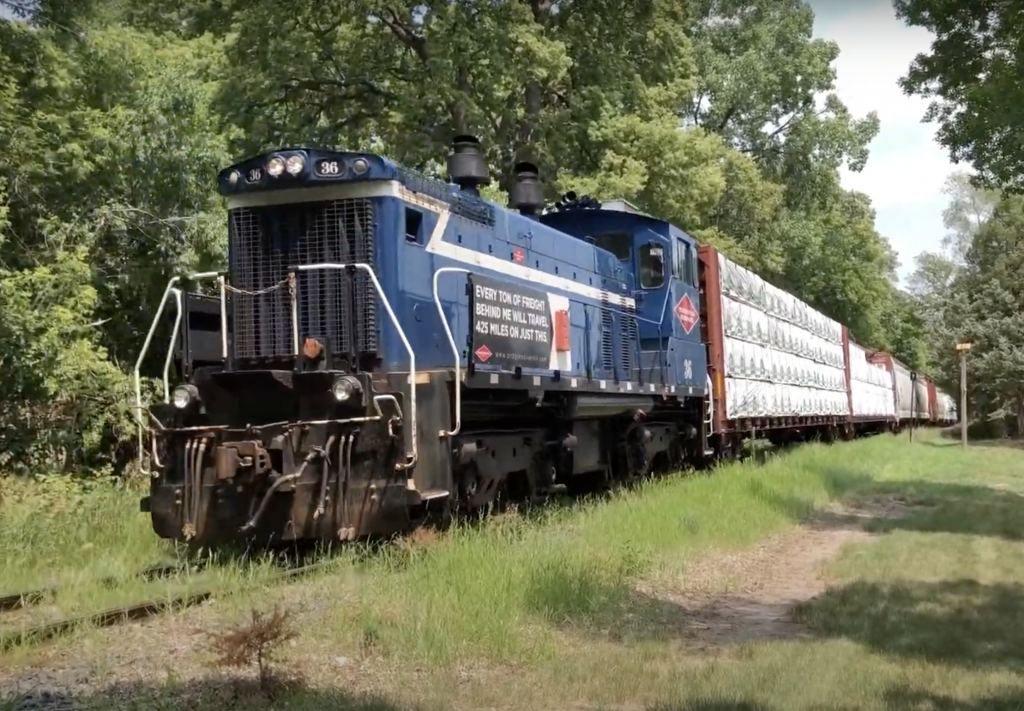
Freight train from China to Europe has quickly become a reliable and efficient solution for importers. While sea freight is cost-effective but slow, and air freight is fast but expensive, rail freight provides the balance. It offers shorter transit times, competitive costs, and eco-friendly shipping across the Eurasian corridor. This guide explores everything you need to know—from pricing to customs and documentation.
1. What Is the Freight Train from China to Europe?
The service, officially known as the China–Europe Railway Express, connects over 100 Chinese cities with more than 200 European destinations. It operates along the Belt and Road trade initiative, offering both FCL (Full Container Load) and LCL (Less than Container Load) options. With fixed schedules and multiple routes, it has become a dependable link for cross-border trade.
2. How Much Does Freight Train Shipping from China to Europe Cost?
Rail freight costs are higher than ocean but significantly cheaper than air freight.
| Cargo Type | Rail Freight Cost | Sea Freight Cost | Air Freight Cost |
|---|---|---|---|
| 1 CBM / 200kg | $400–$600 | $200–$400 | $1,500–$1,800 |
| 20ft Container | $6,000–$7,500 | $2,000–$3,000 | N/A |
| 40ft Container | $9,000–$11,000 | $3,000–$5,000 | N/A |
| 500kg shipment | $1,200–$1,600 | $600–$800 | $3,000–$3,500 |
Note: Costs fluctuate depending on seasonality, fuel rates, and customs requirements.
3. How Long Does Rail Freight Take from China to Europe?
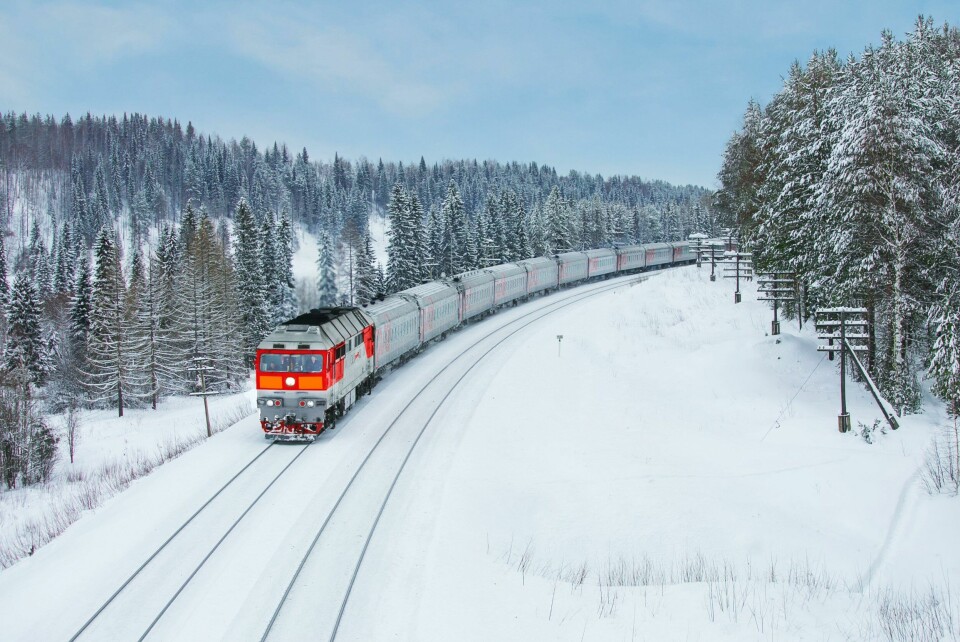
Transit times vary depending on the origin city in China and the destination in Europe.
| Origin City (China) | Destination (Europe) | Average Transit Time |
|---|---|---|
| Chongqing | Duisburg (Germany) | 14–16 days |
| Xi’an | Warsaw (Poland) | 12–15 days |
| Chengdu | Milan (Italy) | 15–18 days |
| Wuhan | Madrid (Spain) | 18–20 days |
By comparison:
- Sea Freight: 30–40 days
- Air Freight: 3–7 days
4. What Documents Are Required for Rail Freight?
Just like ocean freight, proper documentation ensures smooth customs clearance.
| Document | Purpose |
|---|---|
| Rail Waybill (RWB) | Proof of carriage for rail freight |
| Commercial Invoice | Declares cargo value for customs |
| Packing List | Detailed cargo breakdown |
| Certificates (CE/FDA) | Compliance for specific goods |
| Customs Declarations | Required at both Chinese and European borders |
5. Which Goods Are Best Suited for Rail Freight?
Rail freight is commonly used for:
- Electronics and consumer products
- Automotive parts and machinery
- Clothing, footwear, and textiles
- Pharmaceuticals and perishables (with reefer containers)
- E-commerce shipments
However, bulky raw materials and dangerous goods may be restricted.
6. Why Choose Freight Train Over Sea or Air Freight?
| Factor | Rail Freight | Sea Freight | Air Freight |
|---|---|---|---|
| Cost | Mid-range | Lowest | Highest |
| Speed | 12–20 days | 30–40 days | 3–7 days |
| Reliability | Scheduled departures | Port delays common | Weather delays |
| Carbon Emissions | Lower than air | Moderate | Highest |
| Cargo Handling | Containerized loads | Bulk-friendly | Light cargo only |
7. How Does Customs Work for Freight Train from China to Europe?
Customs clearance occurs at departure points and at entry borders such as Poland or Belarus.
- HS Code Classification: Determines tariffs.
- Duties and VAT: Apply based on product type and destination country.
- Transit Documents: Ensure smooth cross-border clearance.
With proper paperwork, clearance usually takes 1–3 days.
8. Can Small Businesses Use Rail Freight?
Yes. Through LCL shipping, small businesses can consolidate shipments with others. This reduces costs and ensures SMEs benefit from faster delivery without committing to a full container.
9. What Are the Pros and Cons of Freight Train Shipping?
| Pros | Cons |
|---|---|
| Faster than sea freight | Higher cost than ocean shipping |
| More affordable than air freight | Limited reefer container supply |
| Eco-friendly logistics solution | Multiple customs checks required |
| Fixed schedules improve reliability | Not ideal for all cargo types |
| Flexible for FCL & LCL shipments | Capacity issues in peak seasons |
10. What Are the Challenges of Rail Freight?
- Border inspections can cause delays.
- Peak season demand creates capacity shortages.
- Tariff adjustments in EU countries may affect pricing.
- Limited reefer container availability.
- Documentation errors often result in costly holds.
11. How Can Importers Reduce Rail Freight Costs?
- Ship during off-peak seasons to avoid surcharges.
- Use multimodal solutions (rail + truck delivery).
- Consolidate LCL shipments for cost efficiency.
- Work with a reliable freight forwarder.
- Negotiate fixed contracts for long-term shipping.
📦Get a Free Quote
Looking for the most efficient freight train from China to Europe solution? Our experienced logistics team provides reliable rail services with customs support and competitive rates. Contact us today for a free shipping quote tailored to your business needs.
❓ Frequently Asked Questions
Q1: Is freight train shipping cheaper than air freight?
Yes, rail freight costs significantly less than air, making it a strong option for medium-value goods with flexible deadlines.
Q2: How long does freight train shipping from China to Europe take?
Transit times typically range from 12 to 20 days, depending on the origin city, destination country, and customs clearance.
Q3: Can perishable goods be shipped by rail from China to Europe?
Yes, reefer containers allow perishables to move safely. However, availability is limited and advance booking is necessary.
Q4: Do rail shipments require a customs broker?
Yes, a customs broker ensures smooth clearance, correct HS classification, and avoids unnecessary penalties or shipment delays.
Q5: What are the busiest freight train routes from China to Europe?
Chongqing–Duisburg, Xi’an–Warsaw, Chengdu–Milan, and Wuhan–Madrid are among the most frequently used and reliable corridors.
Conclusion
The freight train from China to Europe service has transformed international trade, offering importers faster transit than sea freight and lower costs than air freight. With average delivery times of 12–20 days and competitive pricing, it is a practical choice for electronics, fashion, automotive, and retail goods. By preparing documents correctly and partnering with a reliable freight forwarder, businesses can benefit from smooth logistics and a resilient supply chain.