

- By kelly
- September 18, 2025
- Logistics, Tips or Guide
Freight Trains in China: Cost, Transit Time & Complete Guide for Importers
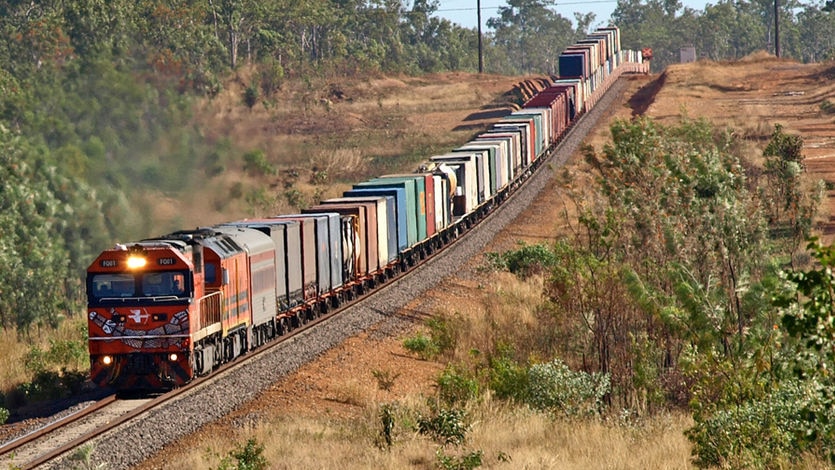
Freight trains in China play a central role in global logistics. Many businesses face challenges with long sea freight transit times and high air freight costs. Rail freight offers the balance—efficient, cost-effective, and increasingly popular for both domestic and international shipping. This guide explains pricing, routes, customs, and how freight trains support global supply chains.
1. What Are Freight Trains in China?
Freight trains in China are part of the country’s extensive railway logistics network, which links domestic hubs and international corridors. The most famous is the China–Europe Railway Express, which connects Chinese cities like Chongqing, Yiwu, and Xi’an with Europe. Domestically, rail freight supports industries such as manufacturing, energy, and retail by moving raw materials and finished goods quickly across regions.
2. How Much Does Rail Freight in China Cost?
Rail freight costs vary based on shipment size, distance, and destination.
| Cargo Type | Domestic Rail Freight | China–Europe Rail Freight | Sea Freight | Air Freight |
|---|---|---|---|---|
| 1 CBM / 200kg | $80–$120 | $400–$600 | $200–$400 | $1,500–$1,800 |
| 20ft Container | $1,200–$1,800 | $6,000–$7,500 | $2,000–$3,000 | N/A |
| 40ft Container | $2,000–$3,000 | $9,000–$11,000 | $3,000–$5,000 | N/A |
| 500kg shipment | $200–$300 | $1,200–$1,600 | $600–$800 | $3,000–$3,500 |
Prices fluctuate based on fuel costs, peak demand, and customs requirements.
3. How Long Do Freight Trains in China Take?
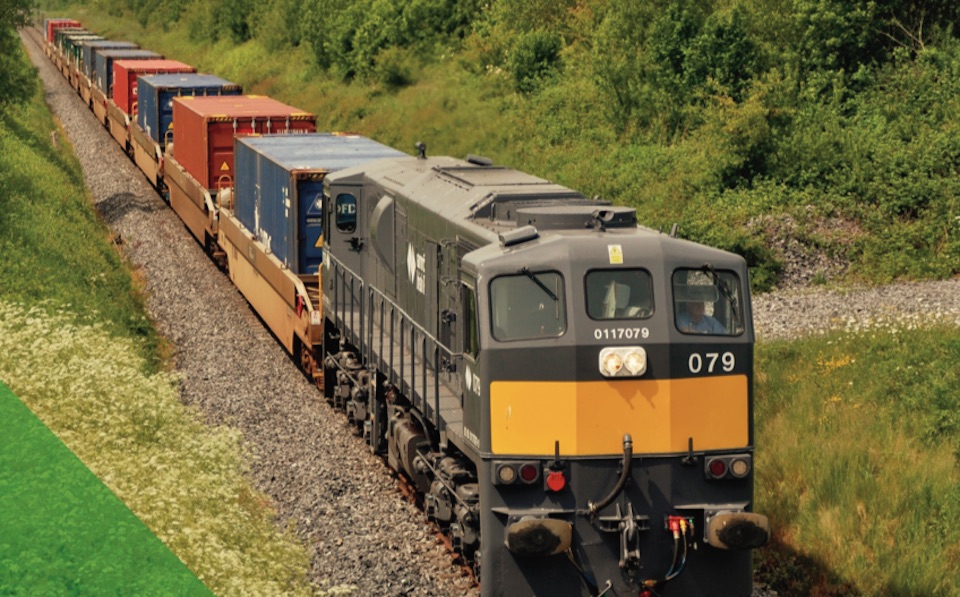
Transit times differ between domestic and international routes.
| Origin City (China) | Destination | Transit Time (Rail) |
|---|---|---|
| Shanghai | Beijing | 1–2 days |
| Chengdu | Shenzhen | 2–3 days |
| Xi’an | Warsaw (Poland) | 12–15 days |
| Chongqing | Duisburg (Germany) | 14–16 days |
| Yiwu | London (UK) | 18–22 days |
Rail freight is faster than sea (30–40 days) and much cheaper than air (3–7 days).
4. What Documents Are Required for Rail Freight?
Whether shipping domestically or internationally, correct documents are critical.
| Document | Purpose |
|---|---|
| Rail Waybill (RWB) | Acts as proof of shipment |
| Commercial Invoice | Declares goods’ value for customs |
| Packing List | Provides details of the cargo |
| Import/Export Declarations | Required for international shipments |
| Certificates (CE/FDA) | Compliance for regulated products |
| Customs Bond | For international shipments above certain values |
5. Why Are Freight Trains Important in China’s Logistics?
China’s freight trains are vital because:
- They connect inland provinces with coastal ports.
- They provide an alternative to congested sea lanes.
- They support Belt and Road Initiative (BRI) trade.
- They reduce shipping emissions compared to air freight.
- They serve as a resilient option during supply chain disruptions.
6. What Types of Goods Are Shipped by Rail?
Rail freight is suitable for:
- Electronics and consumer goods
- Automotive parts and machinery
- Clothing and footwear
- Agricultural products
- Pharmaceuticals and perishables (reefer containers available)
Not all goods are suitable, as hazardous or oversized cargo may be restricted.
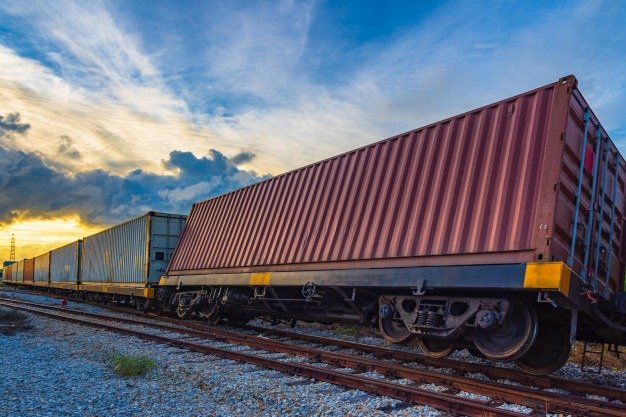
7. How Do Freight Trains Compare to Sea and Air Freight?
| Factor | Rail Freight | Sea Freight | Air Freight |
|---|---|---|---|
| Cost | Mid-range | Lowest | Highest |
| Transit Time | 2–20 days | 30–40 days | 3–7 days |
| Reliability | Scheduled departures | Port delays common | Weather-dependent |
| Sustainability | Low emissions | Moderate | Highest emissions |
| Cargo Suitability | Containerized goods | Bulk & containers | Light cargo only |
8. How Do Customs Work for International Rail Freight?
Customs clearance is required both in China and at destination countries.
- HS Code Classification determines duty rates.
- Tariffs & VAT vary across Europe, Central Asia, and Russia.
- Transit Documentation ensures smooth border crossings.
With complete paperwork, clearance typically takes 1–3 days.
9. Can Small Businesses Use Freight Trains in China?
Yes. Through LCL shipping, small and medium enterprises can consolidate cargo with other shippers. This makes rail freight accessible and affordable, even for companies that cannot fill an entire container.
10. What Are the Pros and Cons of Freight Trains in China?
| Pros | Cons |
|---|---|
| Faster than sea freight | Higher costs than ocean shipping |
| Cheaper than air freight | Capacity limits during peak season |
| Eco-friendly logistics option | Customs delays at borders |
| Reliable, fixed schedules | Limited reefer availability |
| Suitable for SMEs (LCL) | Not ideal for hazardous materials |
11. What Challenges Do Freight Trains in China Face?
- Border delays due to inspections.
- Seasonal congestion during holidays like Chinese New Year.
- Tariff adjustments in international destinations.
- Infrastructure bottlenecks on certain routes.
- Capacity shortages during global supply chain disruptions.
12. How to Reduce Rail Freight Costs?
- Book during off-peak seasons.
- Consolidate shipments to maximize container use.
- Choose multimodal transport (rail + truck delivery).
- Negotiate fixed contracts with freight forwarders.
- Ensure documentation accuracy to avoid customs fines.
📦Get a Free Quote
Looking to optimize your shipping with freight trains in China? Our expert logistics team provides cost-effective rail freight solutions with customs support and flexible options for both FCL and LCL. Contact us today for a free consultation and reliable rail shipping tailored to your needs.
❓ Frequently Asked Questions
Q1: Are freight trains in China cheaper than air freight?
Yes, rail freight is significantly more affordable than air, making it suitable for medium-value shipments with flexible delivery timelines.
Q2: How long does it take for freight trains from China to Europe?
Transit times range from 12 to 20 days depending on the origin city and destination, much faster than sea freight.
Q3: Can small shipments use rail freight in China?
Yes, LCL services allow small businesses to share container space, reducing costs and making rail shipping accessible.
Q4: What documents are required for international rail freight?
Key documents include the rail waybill, commercial invoice, packing list, and customs declarations. Some goods may require certificates.
Q5: Are freight trains eco-friendly?
Yes, rail freight produces far fewer carbon emissions compared with air transport, making it a greener logistics option.
Conclusion
The freight trains in China network has become a cornerstone of global logistics. Offering faster transit than sea freight and lower costs than air, it supports industries from e-commerce to automotive. With proper documentation and the right freight forwarder, businesses can benefit from cost savings, reliability, and sustainability in their supply chains.