

- By kelly
- October 22, 2025
- Logistics, Tips or Guide
Furniture Shipping China to Europe: Complete Guide to Costs, Transit & Customs
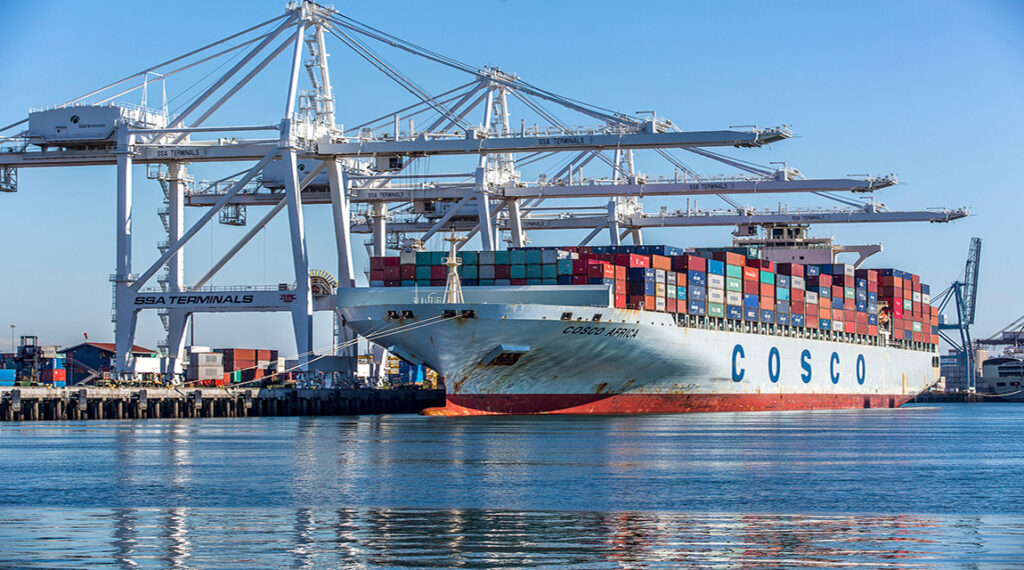
For importers and retailers, furniture shipping China to Europe is a critical part of the global supply chain. Chinese manufacturers dominate the world furniture market, offering competitive prices and wide product ranges. However, European businesses often face challenges such as high shipping costs, long transit times, customs regulations, and packaging requirements. This guide explains everything you need to know to ship furniture from China to Europe smoothly and cost-effectively.
1. What Is the Best Way to Ship Furniture from China to Europe?
Furniture can be transported by sea freight, air freight, rail freight, or courier services depending on urgency, budget, and cargo size.
- Sea freight (FCL/LCL): Most cost-effective for bulk furniture.
- Air freight: Best for urgent or high-value designer furniture.
- Rail freight: Popular for faster transit across Eurasia.
- Courier: Limited to small furniture items or samples.
Therefore, choosing the right method requires balancing cost, time, and delivery reliability.
2. How Long Does Furniture Shipping from China to Europe Take?
Transit time varies depending on the shipping method and final European destination.
| Shipping Method | Average Transit Time | Suitable For |
|---|---|---|
| Air Freight | 5–9 days | Urgent deliveries, luxury furniture |
| Sea Freight (FCL) | 28–40 days | Bulk shipments, large orders |
| Sea Freight (LCL) | 32–45 days | Smaller orders, shared containers |
| Rail Freight | 18–25 days | Mid-volume, faster than sea |
| Courier | 3–6 days | Samples, small furniture items |
3. How Much Does Furniture Shipping from China to Europe Cost?

Furniture shipping costs depend on cargo size, weight, and method.
| Shipping Method | Estimated Cost | Pros | Cons |
|---|---|---|---|
| Air Freight | $5–$10/kg | Fastest, secure | Expensive for large volumes |
| Sea Freight (20ft FCL) | $2,200–$3,500 | Cost-effective | Longer transit time |
| Sea Freight (LCL) | $130–$180/CBM | Flexible for small loads | Handling delays |
| Rail Freight (40ft) | $6,000–$7,500 | Faster than sea, eco-friendly | Limited cargo options |
| Courier | $8–$15/kg | Door-to-door service | Not viable for bulk |
Moreover, seasonal demand, fuel surcharges, and customs duties influence final costs.
4. Should You Ship Furniture by FCL or LCL?
- FCL (Full Container Load): Best for large orders, ensures safe handling with minimal risk of damage.
- LCL (Less than Container Load): Useful for smaller furniture importers sharing space with other shippers.
Therefore, FCL offers better value for volume, while LCL suits startups and small businesses.
5. What Customs Documents Are Needed for Furniture Imports to Europe?
To avoid customs delays, importers must prepare accurate paperwork.
| Document | Purpose |
|---|---|
| Commercial Invoice | Declares value and product details |
| Packing List | Describes dimensions, packaging, and weight |
| Bill of Lading / Air Waybill | Proof of carriage |
| Certificate of Origin | Confirms manufacturing country |
| EORI Number (EU) | Required for customs clearance |
| Import License (if required) | For restricted furniture items |
Additionally, EU regulations require compliance with product safety and material standards such as REACH (chemical safety) and FSC (wood sourcing).
6. How Does Air Freight Compare with Sea and Rail for Furniture?
| Method | Pros | Cons | Best Use Case |
|---|---|---|---|
| Air Freight | Fast, reliable, safe for fragile items | Very costly | Urgent luxury furniture |
| Sea Freight | Cheapest per unit, scalable | Slow, risk of port delays | Bulk orders and mass imports |
| Rail Freight | Faster than sea, eco-friendly | Higher than sea costs, fewer routes | Mid-sized furniture imports |
Thus, sea freight remains the most common method for furniture shipping due to cost efficiency.

7. What Are the Main European Ports and Airports for Furniture Imports?
- Ports: Rotterdam (Netherlands), Hamburg (Germany), Antwerp (Belgium), Felixstowe (UK).
- Airports: Frankfurt, London Heathrow, Paris Charles de Gaulle, Amsterdam Schiphol.
- Rail Terminals: Duisburg (Germany), Warsaw (Poland), Madrid (Spain).
Selecting the right entry point can minimize inland transportation costs and delivery times.
8. How to Package Furniture for Safe Shipping from China?
Proper packaging is crucial to avoid damage:
- Use reinforced cartons, pallets, and wooden crates.
- Apply bubble wrap, foam, and corner protectors.
- Seal packages with moisture-proof wrapping.
- Label fragile items clearly.
- Ensure compliance with ISPM-15 wood packaging standards.
Moreover, professional packaging reduces insurance claims and customer dissatisfaction.
9. What Are the Import Duties and Taxes for Furniture in Europe?
Furniture imports are subject to customs duties, VAT, and compliance standards.
- Customs Duty: Usually 2–6% depending on HS Code.
- Value-Added Tax (VAT): Ranges from 17–25% depending on EU country.
- Eco-compliance: Certain furniture must meet fire resistance, chemical safety, and environmental certifications.
Therefore, accurate classification under HS Codes ensures correct duty calculation.
10. How Can You Reduce Furniture Shipping Costs from China to Europe?
- Consolidate shipments into FCL to reduce per-unit cost.
- Avoid peak shipping seasons (pre-Christmas, Chinese New Year).
- Optimize packaging to minimize volumetric weight.
- Negotiate with multiple carriers or freight forwarders.
- Consider multimodal transport (rail + sea).
Additionally, partnering with experienced freight forwarders helps secure better rates and smoother operations.
11. What Are the Common Challenges in Furniture Shipping?
- Large dimensions increasing freight costs.
- Risk of damage due to fragile materials.
- Customs inspections causing delays.
- Port congestion adding unexpected costs.
- Sustainability compliance under EU import rules.
Therefore, working with specialists in furniture logistics is essential to overcome these challenges.
12. Future Trends in Furniture Shipping China to Europe
- Sustainable logistics solutions to meet EU carbon regulations.
- Digital freight platforms improving rate transparency and tracking.
- Growth of e-commerce furniture sales driving demand for express and LCL solutions.
- Increased use of rail freight as part of the Belt and Road Initiative.
These trends indicate faster, greener, and more efficient supply chains for furniture imports.
📦Get a Free Quote
If you are planning bulk furniture imports, our logistics team specializes in cost-effective and secure delivery from China to major European destinations. Contact us today for a free consultation and discover how we can optimize your furniture shipping China to Europe.
❓ Frequently Asked Questions
1. What is the cheapest way to ship furniture from China to Europe?
Sea freight (FCL) is usually the most cost-effective option for large volumes, offering economies of scale.
2. Can I ship small furniture orders by air freight?
Yes, air freight is suitable for smaller, urgent shipments or luxury furniture items requiring faster delivery.
3. How do I avoid damage during furniture shipping?
Use professional packaging, moisture-proof materials, and reinforced crates to ensure safe arrival.
4. Do I need an EORI number for importing furniture into the EU?
Yes, all European importers must have an EORI number for customs clearance.
5. How long does sea freight furniture shipping take from China to Europe?
Typically, 28–40 days depending on the port of loading in China and destination in Europe.
Conclusion
Furniture shipping China to Europe remains one of the largest logistics flows in international trade. While sea freight dominates due to low costs, air and rail freight provide valuable alternatives for urgent or medium-volume imports. With proper documentation, packaging, and logistics support, businesses can reduce costs, minimize risks, and ensure timely delivery.
By partnering with a trusted freight forwarder, importers can navigate customs regulations, optimize transit routes, and secure competitive rates for long-term success in the European furniture market.