

- By carlie tj
- August 15, 2025
- Tips or Guide, Transport
1. Introduction
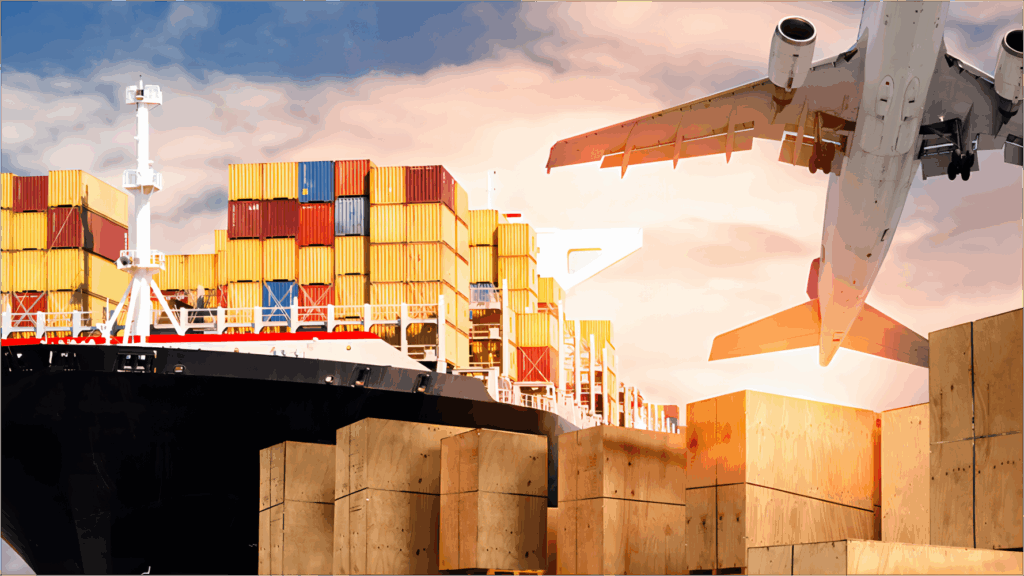
International freight services are essential for moving goods across borders efficiently and safely. They cover sea, air, and land transport, along with customs clearance, documentation, and logistics management. Choosing the right service ensures timely delivery, cost efficiency, and compliance with international regulations.
2. Shipping Times, Conditions & Terms for International Freight Services
| Sort No. | Transport Mode | Estimated Shipping Time | Conditions & Terms |
|---|---|---|---|
| 1 | Ocean Freight | 10–30 days | Cost-effective for large shipments; transit times vary by route and port congestion. |
| 2 | Air Freight | 1–5 days | Faster but more expensive; ideal for high-value or urgent goods. |
| 3 | Rail Freight | 7–15 days | Efficient for intercontinental land routes; limited availability depending on region. |
| 4 | Truck Freight | 2–10 days | Flexible door-to-door service; transit time depends on distance and border clearance. |
3. Seller's Responsibilities in International Freight Services
Under standard international freight terms, the seller must:
- Arrange and pay for transporting goods to the agreed port or terminal.
- Complete export customs clearance and provide necessary documentation.
- Load the goods safely for the chosen transport method.
The seller is not responsible for insurance beyond the agreed handover point, unless specified in the contract.
4. Buyer's Responsibilities in International Freight Services
The buyer is responsible for:
- Import customs clearance and payment of duties or taxes.
- Arranging inland transportation from the port or terminal to the final destination.
- Purchasing insurance to cover goods after the transfer of responsibility.
Understanding these roles helps avoid delays, penalties, or extra costs.
5. Cost Factors in International Freight Services
Weight and Volume: Larger and heavier shipments cost more to transport.
Transport Mode: Air freight is fastest but most expensive; ocean and rail are slower but cheaper.
Route and Distance: Longer distances or indirect routes increase cost and time.
Special Handling: Fragile, hazardous, or oversized goods require extra care and fees.
Customs & Documentation: Delays or errors in paperwork can add unexpected charges.
6. Tips for Efficient International Freight
- Choose the transport mode based on urgency, cost, and cargo type.
- Work with a reliable freight forwarder for smooth logistics management.
- Plan shipments ahead to avoid peak season congestion and higher rates.
- Consolidate shipments to optimize costs for smaller cargo.
7. Request a Quote
China Top Freight offers:
- ✅ Origin and Destination Countries
- ✅ Cargo Type and Volume
- ✅ Preferred Transport Method (Air, Sea, Rail, Road)
- ✅ Delivery Timeline
- ✅ Special Handling Requirements (if any)
8. FAQ
Who can be a consignee?
A consignee can be an individual or a company designated to receive goods.
Is the consignee always the buyer?
Not necessarily. While the consignee is often the buyer, they can also be an agent or representative acting on behalf of the buyer.
Can the consignee change after shipment?
Yes, with proper authorization and documentation, the consignee can be changed during transit.
What happens if the consignee refuses the shipment?
If the consignee refuses the shipment, the goods may be returned to the sender or disposed of, depending on the terms of the contract.
Is the consignee responsible for shipping costs?
The responsibility for shipping costs depends on the agreed-upon Incoterms. For example, under DDP, the seller covers all costs, while under FOB, the buyer assumes responsibility.