

High Speed Freight Train China: Cost, Transit Time & Complete Guide
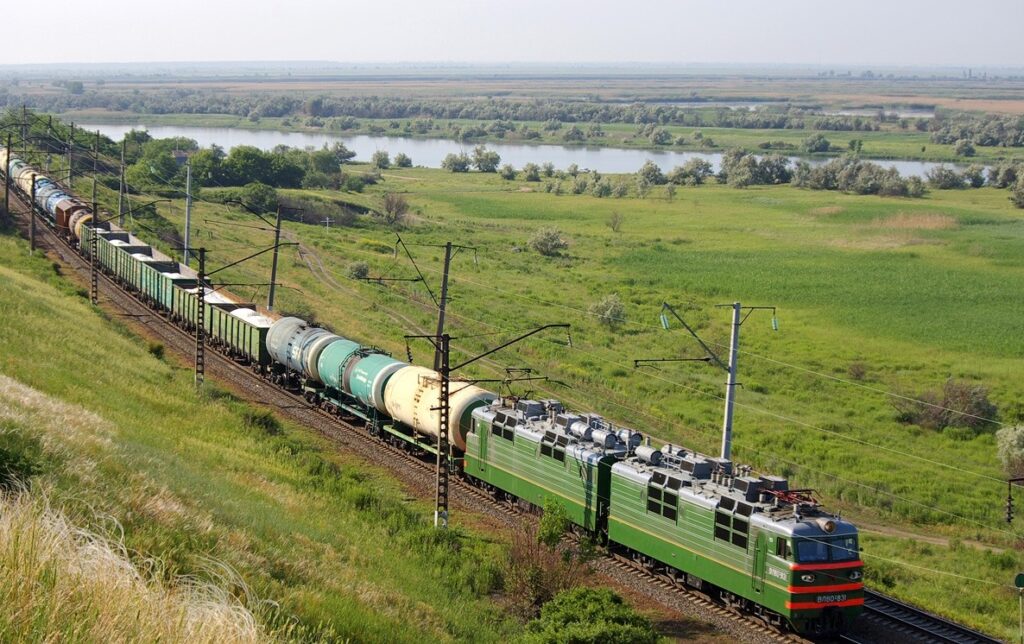
High speed freight train China has emerged as a transformative logistics solution. Businesses importing from China often face challenges: sea freight is slow while air freight is costly. However, China’s high-speed rail freight services provide a faster, more affordable, and eco-friendly alternative. This article explores cost, transit time, routes, documentation, and whether high-speed freight is right for your supply chain.
1. What Is a High Speed Freight Train in China?
A high speed freight train in China is a converted bullet train designed to transport cargo at speeds up to 250–350 km/h. Unlike conventional rail, which averages 80–120 km/h, high-speed freight drastically reduces delivery schedules for time-sensitive shipments. These trains are used for domestic routes and are gradually being adapted for international corridors under the Belt and Road Initiative.
2. How Much Does Shipping by High Speed Freight Train in China Cost?
The cost of high-speed rail freight is generally higher than standard rail but cheaper than air freight.
| Cargo Type | High-Speed Rail Cost | Conventional Rail Cost | Sea Freight | Air Freight |
|---|---|---|---|---|
| 1 CBM / 200kg | $250–$350 | $120–$180 | $80–$120 | $600–$800 |
| 20ft Container | $3,000–$4,000 | $1,800–$2,500 | $1,200–$1,800 | N/A |
| 40ft Container | $5,000–$6,500 | $3,000–$3,800 | $2,000–$3,000 | N/A |
| 500kg shipment | $800–$1,100 | $500–$700 | $200–$300 | $1,600–$2,000 |
Costs vary based on fuel, seasonality, and demand.
3. How Fast Are High Speed Freight Trains in China?
Transit times are dramatically shorter than standard rail.
| Route | Distance (km) | High-Speed Rail Time | Conventional Rail Time | Air Freight Time |
|---|---|---|---|---|
| Beijing → Shanghai | 1,318 | 4–6 hours | 15–18 hours | 2–3 hours |
| Chengdu → Shenzhen | 2,100 | 8–10 hours | 24–30 hours | 3–5 hours |
| Xi’an → Guangzhou | 1,700 | 6–8 hours | 20–24 hours | 3–4 hours |
This speed advantage makes high-speed freight ideal for e-commerce, perishables, pharmaceuticals, and urgent cargo.
4. What Documents Are Required?
Documentation for high-speed freight trains is similar to standard rail shipping.
| Document | Purpose |
|---|---|
| Rail Waybill (RWB) | Proof of cargo carriage |
| Commercial Invoice | Declares shipment value |
| Packing List | Itemized details of cargo |
| Customs Declaration | Required for international shipments |
| Compliance Certificates | Needed for pharmaceuticals or food products |
5. What Goods Are Best Suited for High Speed Rail Freight?
High-speed freight trains are ideal for:
- E-commerce parcels with tight delivery windows
- Medical supplies and pharmaceuticals
- Fresh produce and perishables (using reefer units)
- High-value electronics
- Automotive spare parts
They are not practical for low-value bulk cargo (like coal or steel) where slower, cheaper modes are better.
6. How Do High Speed Freight Trains Compare to Other Shipping Modes?
| Factor | High-Speed Rail | Conventional Rail | Sea Freight | Air Freight |
|---|---|---|---|---|
| Cost | Mid-high | Moderate | Lowest | Highest |
| Speed | 4–12 hours (domestic) / 2–5 days (international planned) | 1–5 days | 30–40 days | 1–3 days |
| Reliability | Very high | High | Medium (port delays) | High |
| Sustainability | Lower emissions | Low emissions | Moderate | Highest emissions |
| Cargo Suitability | Urgent, high-value | General cargo | Bulk & containers | Small/light cargo |
7. Why Is China Investing in High Speed Freight Trains?
China’s focus is driven by:
- Growing e-commerce requiring next-day delivery.
- Reduced carbon emissions compared to air freight.
- Diversification of supply chains amid global disruptions.
- Belt and Road Initiative, aiming to expand to Europe.
8. What Are the Pros and Cons of High Speed Freight Train China?
| Pros | Cons |
|---|---|
| Extremely fast compared to sea/rail | More expensive than standard rail |
| Lower cost than air freight | Limited international coverage |
| Eco-friendly logistics option | Not suitable for bulky cargo |
| Ideal for e-commerce and perishables | Capacity constraints in peak times |
9. What Are the Challenges of High Speed Freight Trains?
- Infrastructure adaptation: Many lines were built for passengers.
- Limited container capacity compared with ocean freight.
- High operational costs due to energy consumption.
- Regulatory barriers for cross-border expansion.
- Need for reefer container development for wider adoption.
10. How Can Businesses Reduce Costs with High Speed Rail?
- Combine multimodal solutions (rail + truck delivery).
- Ship only time-sensitive cargo via high-speed, using slower modes for bulk.
- Negotiate rates with freight forwarders.
- Consolidate e-commerce shipments to optimize container space.
- Book in off-peak seasons to avoid surcharges.
📦Get a Free Quote
Looking for reliable solutions with high speed freight train China? Our logistics experts provide cost-effective, urgent rail freight services designed for e-commerce, perishables, and high-value shipments. Contact us today for a free consultation and shipping quote.
❓ Frequently Asked Questions
Q1: How fast are high speed freight trains in China?
They operate at 250–350 km/h, cutting delivery times by 50–70% compared with conventional rail.
Q2: Are high speed freight trains cheaper than air freight?
Yes, they cost 30–50% less than air freight while offering near-comparable speed for domestic and regional routes.
Q3: What goods benefit most from high speed rail freight?
E-commerce, fresh produce, pharmaceuticals, and electronics are ideal for this mode due to its speed and reliability.
Q4: Do high speed freight trains operate internationally?
Currently, most routes are domestic. However, China is expanding networks toward Europe under the Belt and Road project.
Q5: What are the environmental benefits of high speed freight trains?
They produce far fewer carbon emissions than air freight, making them an eco-friendly logistics option.
Conclusion
The high speed freight train China service offers a powerful logistics alternative. Faster than conventional rail, cheaper than air freight, and more sustainable overall, it is especially valuable for e-commerce, perishables, and urgent shipments. Although challenges exist in capacity and international expansion, high-speed rail freight is set to play a major role in China’s logistics future. Businesses that leverage this innovative solution can enhance their supply chains, reduce delays, and stay competitive in global trade.