

- By kelly
- October 24, 2025
- Logistics, Tips or Guide
Home Goods Air Freight China to USA: Complete Guide for Importers
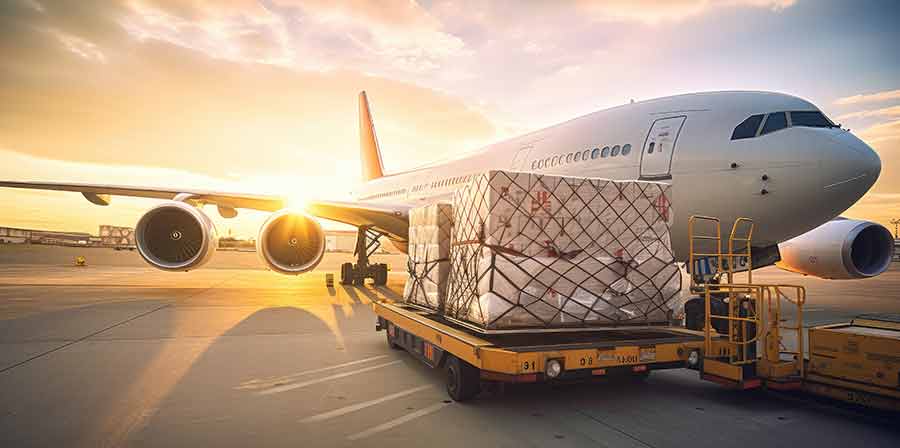
Importing furniture, appliances, and household products is a vital part of global trade. Many U.S. retailers and wholesalers rely on home goods air freight China to USA for speed, reliability, and efficiency. Since home goods often include bulky, fragile, or high-value items, air freight ensures shorter delivery schedules compared to sea shipping.
This article explores costs, transit times, customs requirements, shipping methods, and strategies to optimize the supply chain when transporting home goods from China to the United States.
1. Why Choose Air Freight for Home Goods from China to USA?
Air freight provides distinct advantages for time-sensitive and valuable shipments:
- Faster transit times (3–7 days compared to 25–40 days by sea).
- Better handling for fragile items like glassware and electronics.
- Reduced inventory risk by maintaining leaner stock levels.
Therefore, importers who prioritize speed and reliability often select air freight over slower but cheaper alternatives.
2. What Types of Home Goods Are Commonly Shipped by Air?
Home goods cover a wide variety of categories:
- Small furniture pieces (tables, chairs, lamps).
- Kitchenware (cookware, utensils, small appliances).
- Decor items (mirrors, wall art, lighting).
- Electronics (home entertainment, smart devices).
- Textiles (bedding, curtains, rugs).
Since many of these items are fragile or seasonal, timely delivery through air freight is critical.
3. How Much Does Home Goods Air Freight Cost from China to USA?

Air freight rates vary depending on weight, volume, and season.
| Cargo Type | Average Cost per kg (USD) | Notes |
|---|---|---|
| General home goods | $5 – $7 | Furniture, small appliances |
| Fragile goods | $6 – $9 | Glassware, lighting |
| Electronics | $7 – $10 | TVs, smart devices |
| Express courier | $8 – $15 | Urgent, door-to-door |
Tip: Rates are calculated on chargeable weight (actual vs. volumetric). Optimizing packaging reduces costs.
4. How Long Does Air Freight Take from China to USA?
| Route | Transit Time (Direct Flight) | With Customs & Handling |
|---|---|---|
| Shanghai → Los Angeles | 3–4 days | 5–6 days |
| Shenzhen → New York | 4–5 days | 6–7 days |
| Guangzhou → Chicago | 3–4 days | 5–6 days |
| Beijing → Miami | 4–6 days | 6–8 days |
Note: Peak seasons (Christmas, Chinese New Year) can extend transit times by 2–3 days.
5. What Documents Are Required for Customs Clearance?
Importing home goods into the U.S. requires complete documentation.
| Document | Purpose |
|---|---|
| Commercial Invoice | Declares product value and description |
| Packing List | Details cargo contents and dimensions |
| Air Waybill (AWB) | Proof of transport contract |
| Certificate of Origin | Confirms manufacturing country |
| Customs Bond | Ensures duties and taxes are paid |
| Import Licenses (if required) | Needed for restricted items like electronics |
Incomplete paperwork is one of the main reasons for clearance delays.
6. How Do U.S. Customs Duties Apply to Home Goods?
| Product Category | Average Duty Rate |
|---|---|
| Furniture | 2–8% |
| Kitchenware | 3–7% |
| Electronics | 0–5% |
| Textiles | 8–15% |
| Decorative items | 5–10% |
Additionally, importers must pay U.S. customs clearance fees and, in some cases, tariffs under Section 301.

7. How Does Air Freight Compare to Sea and Rail Freight?
| Factor | Air Freight | Sea Freight | Rail Freight (via Canada/Mexico) |
|---|---|---|---|
| Transit Time | 3–7 days | 25–40 days | 18–25 days |
| Cost | High | Lowest | Moderate |
| Best For | Urgent, fragile, seasonal goods | Bulk cargo | Limited use for USA |
| Pros | Speed, reliability, security | Economical for large volume | Alternative to sea |
| Cons | Expensive | Slower, congestion risk | Not widely available |
8. Which Airports Handle Home Goods Air Freight?
Major Departure Airports in China:
- Shanghai Pudong International Airport (PVG).
- Shenzhen Bao’an International Airport (SZX).
- Guangzhou Baiyun International Airport (CAN).
- Beijing Capital International Airport (PEK).
Major U.S. Destination Airports:
- Los Angeles International (LAX).
- John F. Kennedy International (JFK).
- Chicago O’Hare International (ORD).
- Miami International Airport (MIA).
9. How to Reduce Air Freight Costs for Home Goods?
- Consolidate shipments with freight forwarders.
- Plan ahead to avoid urgent last-minute bookings.
- Negotiate rates for frequent shipments.
- Optimize packaging to reduce volumetric weight.
- Split shipments (send urgent goods by air, bulk by sea).
10. What Are the Challenges of Shipping Home Goods by Air?
- High freight rates compared to sea freight.
- Size limitations for oversized furniture.
- Customs delays if documents are incomplete.
- Peak season surcharges increasing costs.
Despite these challenges, air freight remains the most reliable option for importers with time-sensitive needs.
11. Future Trends in Home Goods Air Freight
- Digital freight platforms offering instant rate comparisons.
- Green logistics with sustainable aviation fuel.
- Advanced packaging to reduce space and protect fragile goods.
- E-commerce growth driving higher demand for air freight solutions.
📦Get a Free Quote
Ensure smooth and cost-efficient home goods air freight China to USA with our expert forwarding services. Contact us today for competitive rates, customs support, and real-time tracking to simplify your supply chain.
❓ Frequently Asked Questions
Q1: How much does air freight cost for home goods from China to USA?
On average, rates are $5–$10 per kg, depending on product type, airline, and season.
Q2: How long does air freight take from China to USA?
Typically, shipments arrive within 3–7 days, including customs clearance, depending on origin and destination airports.
Q3: Can bulky home goods be shipped by air?
Yes, but volumetric weight charges apply, making sea freight more cost-effective for large furniture shipments.
Q4: What documents are required for U.S. customs clearance?
Commercial invoice, packing list, air waybill, certificate of origin, and customs bond are standard requirements.
Q5: Which U.S. airports handle most home goods air freight?
Los Angeles (LAX), Chicago (ORD), New York (JFK), and Miami (MIA) are key U.S. cargo hubs.
Conclusion
Using home goods air freight China to USA ensures faster delivery, higher reliability, and better protection for fragile or seasonal items. While costs are higher than sea freight, the benefits outweigh the expense for time-sensitive shipments.
By preparing proper customs documents, choosing the right airports, and working with an experienced freight forwarder, importers can streamline their logistics and reduce risks. For businesses seeking efficiency and customer satisfaction, air freight remains the premium choice.