

- By kelly
- October 21, 2025
- Logistics, Tips or Guide
Home Goods Air Freight from China: Complete 2025 Guide
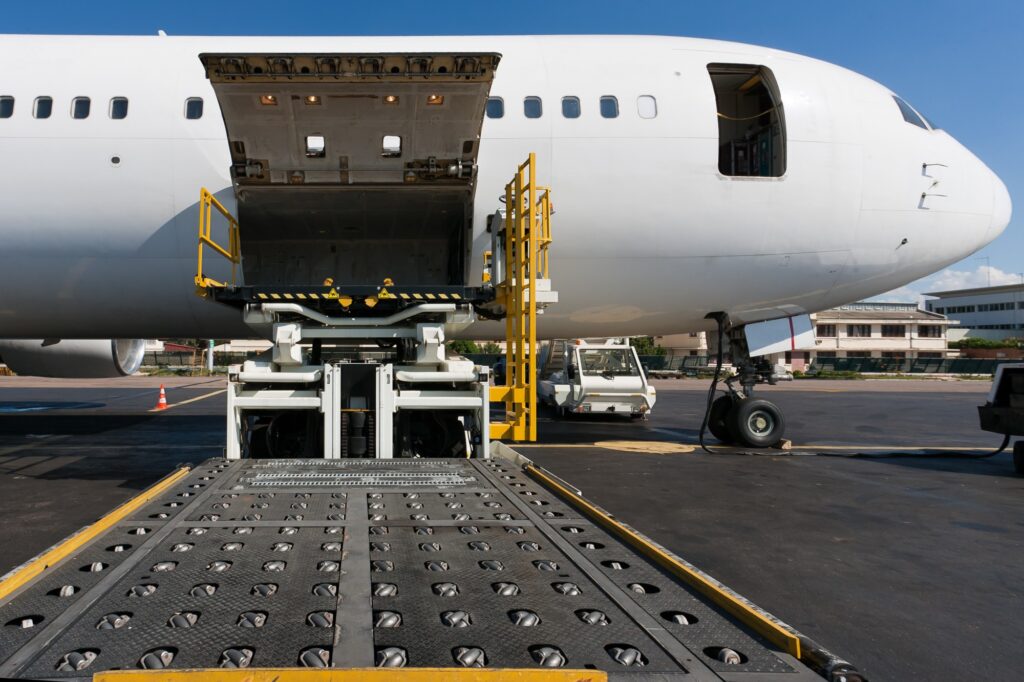
For importers worldwide, choosing home goods air freight from China ensures products arrive quickly and securely. Many businesses struggle with high shipping costs, long sea transit times, and complex customs clearance. However, air freight offers a faster, more reliable alternative that keeps supply chains agile and responsive to customer demand.
What is Air Freight and Why is it Popular for Home Goods?
Air freight involves transporting cargo on commercial or dedicated cargo aircraft. For home goods such as furniture, appliances, and décor, air freight provides:
- Speed: Delivery within days, not weeks.
- Security: Lower risk of theft or damage.
- Flexibility: Multiple airlines and routes available.
- Reliability: Predictable schedules compared to sea freight.
Therefore, many importers choose air freight for time-sensitive or high-value home goods.
How Does Home Goods Air Freight from China Work?
The process is designed to streamline cross-border trade:
- Pickup from supplier in China.
- Export customs clearance at airports like Shanghai Pudong, Guangzhou Baiyun, or Shenzhen Bao’an.
- Air transport via major carriers (CA, CZ, UPS, FedEx, DHL).
- Arrival at destination airport, followed by import customs clearance.
- Final delivery to retailer or distribution center.
This system reduces delays and ensures faster delivery compared to sea freight.
How Much Does Home Goods Air Freight from China Cost?
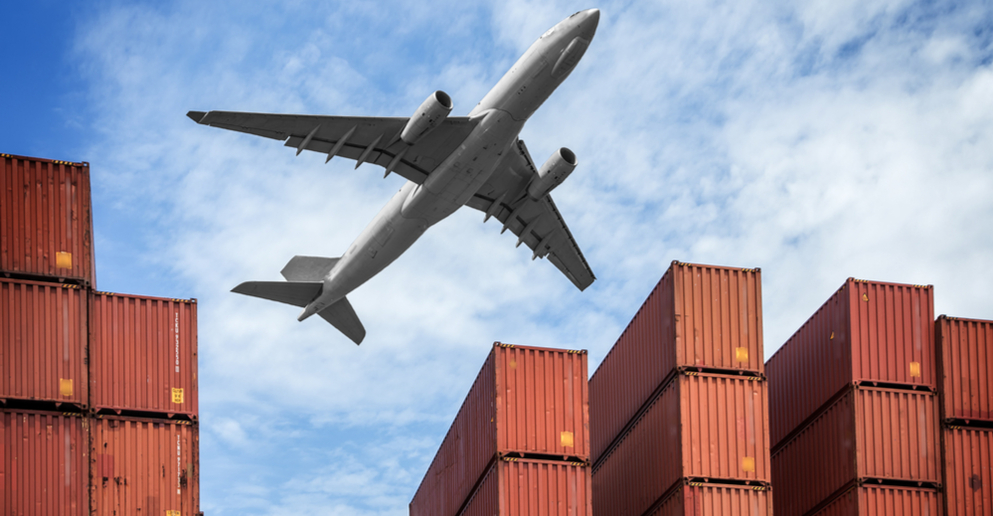
Air freight costs are based on chargeable weight (whichever is higher: gross weight or volumetric weight).
| Factor | Impact on Cost |
|---|---|
| Freight Rate | $5 – $9 per kg depending on airline and route. |
| Fuel Surcharges | Adjusted based on global oil prices. |
| Security & Handling | Airport handling, screening, and documentation fees. |
| Customs & Duties | Based on HS code classification and destination country’s import regulations. |
| Delivery Charges | Final trucking from airport to consignee’s warehouse. |
Example: A 500kg shipment of lamps and home décor may cost $2,500 – $4,000 depending on destination.
How Long Does Air Freight from China Take?
Transit times are short compared to ocean freight.
| Route | Transit Time | Notes |
|---|---|---|
| China → USA (Los Angeles) | 3–5 days | Popular for e-commerce and bulk shipments. |
| China → UK (London Heathrow) | 4–6 days | Frequent cargo flights and strong trade links. |
| China → Canada (Toronto) | 4–6 days | Smooth customs but slightly longer than US. |
| China → Germany (Frankfurt) | 5–7 days | Main hub for European distribution. |
| China → Middle East (Dubai) | 3–5 days | Strong demand for furniture and home décor. |
Customs clearance may add an extra 1–2 days.
What Documents Are Required for Home Goods Air Freight?
Proper documentation prevents costly delays.
| Document | Purpose |
|---|---|
| Commercial Invoice | Declares value, buyer, and seller details. |
| Packing List | Lists goods, dimensions, and weight. |
| Air Waybill (AWB) | Proof of contract between shipper and airline. |
| Import Licenses (if required) | Some appliances may need compliance certificates. |
| Certificates of Conformity | For electrical goods, textiles, or regulated products. |
Which Types of Home Goods are Best Shipped by Air?
- Small to medium furniture items (chairs, shelves, lamps).
- Electronics and appliances (kettles, vacuum cleaners, air purifiers).
- Decorative products (artwork, vases, textiles).
- High-demand e-commerce products needing quick replenishment.
However, bulky items such as large sofas or beds are more cost-efficient by sea freight.
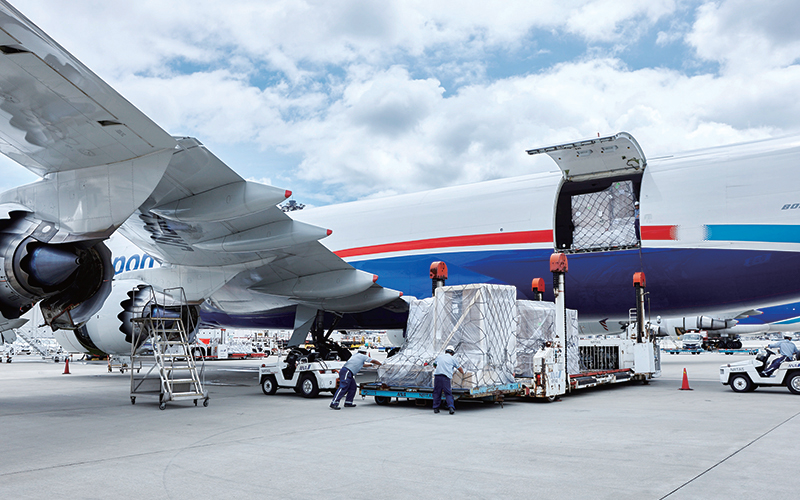
Air Freight vs Sea Freight vs Rail Freight for Home Goods
| Mode | Cost | Transit Time | Pros | Cons |
|---|---|---|---|---|
| Air Freight | $5–$9/kg | 3–7 days | Fast, secure, predictable | Expensive for bulky goods. |
| Sea Freight | $1,200–$3,500/FCL | 25–40 days | Best for large, heavy shipments | Slow, subject to port delays. |
| Rail Freight | $300–$500/CBM | 18–25 days | Cost-effective China–Europe alternative | Limited to Eurasian destinations. |
Why Importers Choose Air Freight for Home Goods
- Customer expectations: Shorter delivery timelines for retail/e-commerce.
- Seasonal demand: Urgent replenishment during holidays or sales.
- Lower risk: Fewer touchpoints compared to ocean consolidation.
- Supply chain agility: Quick turnaround reduces stockouts.
How to Reduce Air Freight Costs from China?
- Book early to avoid peak season surcharges.
- Consolidate shipments for better rates per kg.
- Choose hybrid shipping (sea + air) for different product categories.
- Work with freight forwarders that have airline contracts.
Do Small Businesses Benefit from Air Freight?
Yes, especially Amazon FBA sellers, online retailers, and wholesalers. Home goods air freight from China allows them to:
- Restock faster.
- Maintain customer satisfaction.
- Avoid inventory shortages.
What Challenges Exist in Home Goods Air Freight?
- High costs for bulky furniture.
- Customs delays if documents are incomplete.
- Capacity issues during Q4 and Chinese New Year.
- Packaging restrictions for fragile goods.
Nevertheless, with proper planning, these challenges can be minimized.
📦Get a Free Quote
Working with an experienced freight forwarder ensures smoother customs clearance, cost savings, and efficient delivery. If you’re looking for reliable home goods air freight from China, choosing a trusted partner can optimize your logistics strategy.
❓ Frequently Asked Questions
1. How much does home goods air freight from China cost?
The average rate is $5–$9 per kg, with additional handling, customs, and delivery charges depending on destination.
2. How long does air freight take from China?
Transit typically takes 3–7 days, plus 1–2 days for customs clearance at the destination airport.
3. Which Chinese airports handle home goods exports?
Major hubs include Shanghai Pudong (PVG), Guangzhou Baiyun (CAN), and Shenzhen Bao’an (SZX), all with global coverage.
4. Can fragile home décor items be shipped by air?
Yes, with proper packaging, labeling, and insurance, fragile items like vases and mirrors can be transported safely.
5. What’s the best way for small businesses to save on air freight?
They should consolidate shipments, book early, and consider hybrid sea-air freight options for better cost efficiency.
Conclusion
In 2025, home goods air freight from China remains the fastest and most reliable logistics solution for global importers. While costs are higher than sea or rail freight, the benefits of speed, security, and predictable delivery often outweigh the expense. By consolidating shipments, preparing documents accurately, and working with experienced freight forwarders, businesses can ensure smooth customs clearance and timely delivery.