

- By kelly
- September 12, 2025
- Logistics, Tips or Guide
How Much Does It Cost to Ship a Container from China to USA?
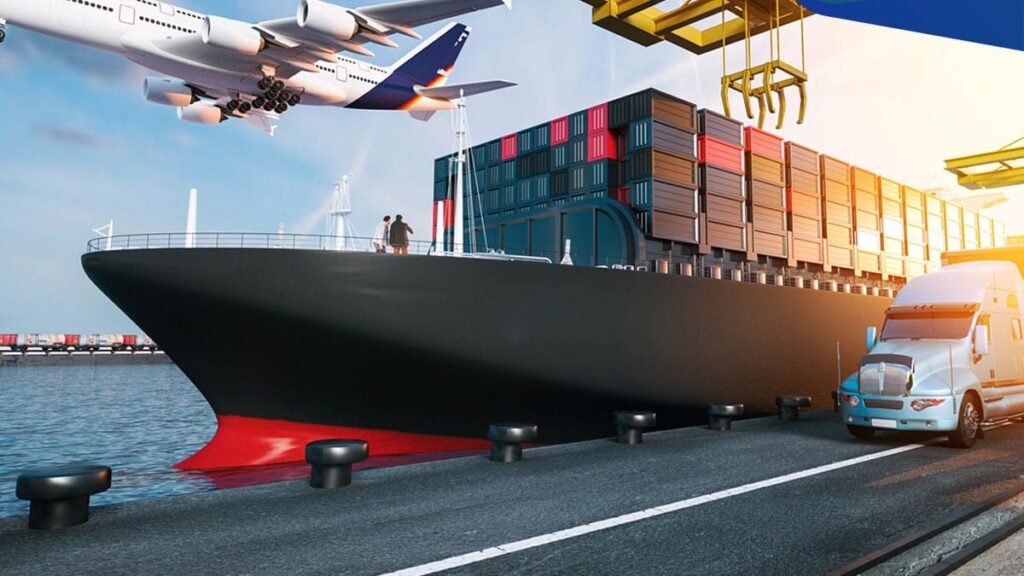
For businesses and importers, one of the most common questions is: how much does it cost to ship a container from China to USA? With global trade expanding and supply chains becoming more complex, shipping costs can vary significantly. Factors such as shipping method, container size, seasonality, customs fees, and port of entry all play critical roles. In this guide, you’ll discover real insights, cost breakdowns, transit times, and practical strategies to minimize your shipping expenses.
1. What Factors Influence Container Shipping Costs?
Several factors directly affect the cost of shipping a container:
- Container Size: 20ft vs 40ft vs 40HQ.
- Shipping Method: FCL (Full Container Load) vs LCL (Less than Container Load).
- Transit Time: Faster routes often cost more.
- Fuel Prices & Carrier Rates: Shipping lines adjust prices based on market conditions.
- Seasonal Demand: Peak seasons (August–October) increase costs.
- Port Charges & Customs: Each U.S. port has different handling fees.
2. How Much Does It Cost to Ship a 20ft vs 40ft Container?
The container size greatly impacts overall cost.
| Container Type | Average Cost (USD) | Capacity | Best For |
|---|---|---|---|
| 20ft FCL | $2,000 – $3,000 | 28–30 CBM | Small shipments |
| 40ft FCL | $3,500 – $5,500 | 58–60 CBM | Larger shipments |
| 40HQ (High Cube) | $3,800 – $6,000 | 68 CBM | Bulky cargo |
Note: Prices vary depending on port, season, and carrier.
3. What Are the Differences Between FCL and LCL?
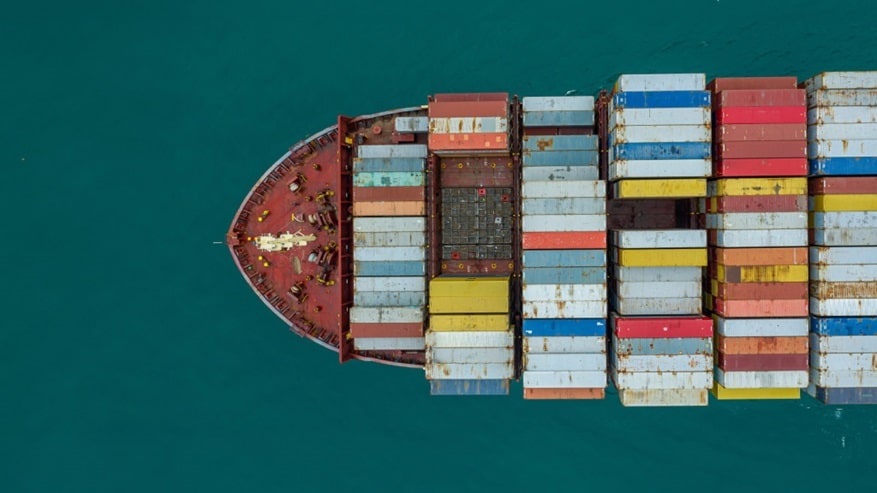
When asking how much does it cost to ship a container from China to USA, you must decide between FCL and LCL.
| Shipping Method | Cost Range | Transit Time | Pros | Cons |
|---|---|---|---|---|
| FCL (Full Container Load) | $2,000–$6,000 | 20–35 days | Lower per-unit cost, secure, predictable | Higher upfront cost |
| LCL (Less than Container Load) | $300–$500 per CBM | 25–40 days | Flexible, lower upfront cost | Longer handling times, higher per-unit cost |
4. Which Shipping Routes Are Most Cost-Effective?
Major Chinese ports like Shanghai, Shenzhen, Ningbo, Qingdao, and Guangzhou are commonly used. Costs differ by U.S. destination:
| Route | Average Cost (40ft) | Transit Time |
|---|---|---|
| Shanghai → Los Angeles | $3,000 – $4,500 | 15–20 days |
| Shenzhen → New York | $4,500 – $6,500 | 30–35 days |
| Ningbo → Houston | $4,200 – $6,000 | 25–30 days |
5. Is Air Freight a Better Option?
Sometimes businesses ask whether air freight is better than sea freight.
| Method | Cost (per kg) | Transit Time | Best For |
|---|---|---|---|
| Air Freight | $5 – $10 | 3–7 days | Urgent cargo, small volumes |
| Sea Freight (FCL) | $2,000 – $6,000 per container | 20–35 days | Large, bulky cargo |
Air freight is faster but significantly more expensive.
6. How Do Customs and Import Duties Affect Costs?
Besides freight charges, you must account for:
- Customs Clearance Fee: $100 – $300.
- Import Duty & Taxes: Varies by product (average 0–25%).
- ISF Filing Fee: Around $40 – $80.
- Harbor Maintenance Fee (HMF): 0.125% of cargo value.
- Merchandise Processing Fee (MPF): 0.3464% of declared value.
7. What Documents Are Required for Container Shipping?
Shipping from China to USA requires proper paperwork.
| Document | Purpose |
|---|---|
| Bill of Lading (B/L) | Contract of carriage |
| Commercial Invoice | Declares value of goods |
| Packing List | Details cargo contents |
| Importer Security Filing (ISF) | U.S. customs compliance |
| Certificate of Origin | Confirms product origin |
8. How Do Transit Times Compare?
Transit times depend on the route, shipping method, and port congestion.
| Route | Average Transit Time |
|---|---|
| Shanghai → Los Angeles | 15–20 days |
| Shenzhen → Houston | 25–30 days |
| Ningbo → New York | 30–35 days |
9. Can Seasonality Impact Container Shipping Costs?
Yes, peak seasons raise prices due to demand surges:
- August–October: Pre-holiday shipping rush.
- January–February: Chinese New Year delays.
- May–June: Back-to-school stock shipments.
Planning shipments in off-peak months reduces costs significantly.
10. What Are the Pros and Cons of Sea vs Air vs Rail?
| Mode | Pros | Cons |
|---|---|---|
| Sea Freight | Cost-effective, high capacity | Slow transit, port delays |
| Air Freight | Fast, reliable | High cost, limited volume |
| Rail Freight | Balanced cost/time, eco-friendly | Limited U.S. access |
11. How Can Importers Save on Container Shipping Costs?
To lower expenses:
- Book Early: Avoid peak season surcharges.
- Use FCL When Possible: Lower per-unit costs.
- Choose Optimal Ports: Los Angeles is cheaper than New York.
- Partner with Reliable Forwarders: Better rates and service.
- Consolidate Shipments: Reduces LCL charges.
12. Should You Work With a Freight Forwarder?
Freight forwarders simplify logistics by:
- Handling customs paperwork.
- Negotiating better shipping rates.
- Offering door-to-door delivery.
- Providing real-time tracking.
Working with professionals ensures fewer delays and reduced costs.
📦Get a Free Quote
Before you make your final decision on how much it costs to ship a container from China to USA, reach out to a trusted logistics partner. With customized solutions, competitive rates, and efficient supply chain management, you can reduce risk, save time, and ensure smooth delivery.
❓ Frequently Asked Questions
1. How much does it cost to ship a 20ft container from China to USA?
On average, a 20ft container costs $2,000 to $3,000 depending on the route, season, and shipping line.
2. Is LCL cheaper than FCL for small shipments?
Yes, for small cargo under 15 CBM, LCL is cheaper, but per-unit costs are higher compared to FCL.
3. How long does shipping from China to USA take?
Transit times range from 15 days (West Coast) to 35 days (East Coast), depending on ports and congestion.
4. Are customs duties included in shipping costs?
No, duties and taxes are separate from freight costs and vary by product classification and declared value.
5. Which U.S. port is cheapest for container shipping?
Los Angeles and Long Beach are generally cheaper due to high capacity and shorter sailing routes.
Conclusion
Now you have a detailed breakdown of how much it costs to ship a container from China to USA. Costs depend on container size, route, seasonality, and shipping method. By understanding these factors, preparing documents correctly, and working with a reliable freight forwarder, businesses can optimize shipping budgets while ensuring timely delivery.