

For importers, distributors, and car manufacturers, knowing how to ship auto parts from China to Europe is vital to maintaining supply chain stability. Auto parts require special handling, strict compliance with customs rules, and careful transport planning to avoid delays. However, with the right shipping method and experienced freight partner, you can save costs, reduce risks, and ensure smooth delivery to your European destinations.
1. Why Is Shipping Auto Parts Between China and Europe Important?
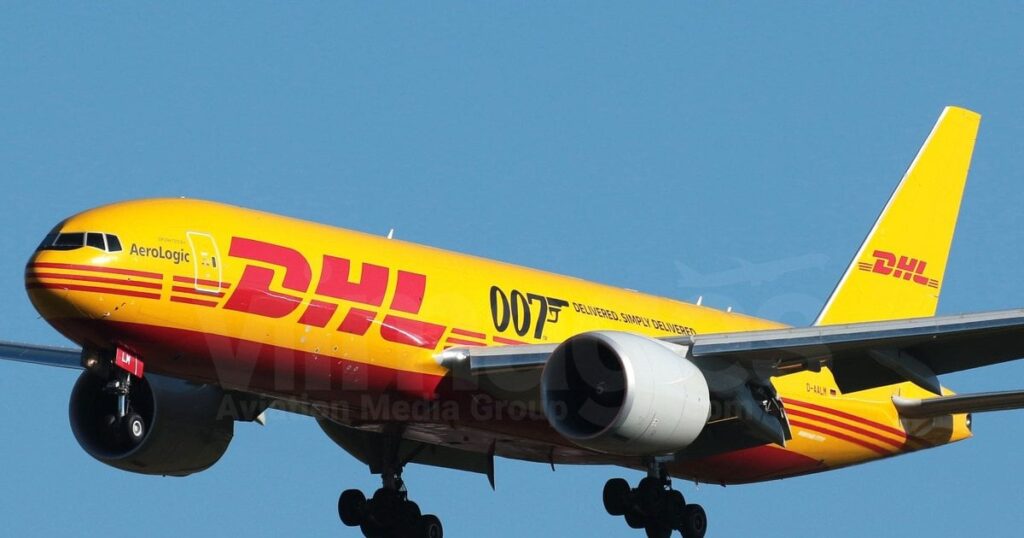
China is one of the largest exporters of automotive components, supplying spare parts, engines, tires, batteries, and electronics to European markets. Moreover, as demand for affordable aftermarket parts grows, reliable logistics solutions are essential for timely delivery. Businesses that plan well can reduce lead times and maintain competitive pricing.
2. What Shipping Methods Are Available for Auto Parts?
| Shipping Method | Average Cost | Transit Time | Pros | Cons |
|---|---|---|---|---|
| Sea Freight (FCL) | $1,300–$2,600 per container | 30–40 days | Low cost per unit, bulk shipping | Long transit time |
| Sea Freight (LCL) | $50–$75 per CBM | 35–45 days | Flexible for small volumes | Slower than FCL |
| Air Freight | $5–$10 per kg | 5–8 days | Fast, secure | Expensive |
| Rail Freight | $2–$4 per kg | 18–25 days | Balanced cost and speed, eco-friendly | Limited routes |
| Courier (DHL/UPS/FedEx) | $8–$15 per kg | 3–6 days | Door-to-door, simple customs | Too costly for bulk |
3. How Long Does It Take to Ship Auto Parts from China to Europe?
| Destination | Sea Freight | Rail Freight | Air Freight | Courier |
|---|---|---|---|---|
| Germany | 30–35 days | 18–22 days | 5–6 days | 3–4 days |
| France | 32–38 days | 20–23 days | 5–7 days | 3–5 days |
| Spain | 33–40 days | 20–25 days | 6–7 days | 4–6 days |
| Poland | 28–33 days | 18–20 days | 5–6 days | 3–4 days |
| Italy | 32–37 days | 20–23 days | 6–7 days | 4–6 days |
4. What Factors Affect Transit Time?
Several factors influence shipping duration:
- Customs clearance requirements in EU countries
- Type of auto part (hazardous items like batteries take longer)
- Peak seasons such as Christmas or Chinese New Year
- Incoterms agreed between buyer and supplier
- Port congestion and strikes in Europe
5. Which Documents Are Required for Auto Part Shipments?
| Document | Purpose |
|---|---|
| Commercial Invoice | Declares value and buyer-seller details |
| Packing List | Lists quantity, weight, and dimensions |
| Bill of Lading / Air Waybill | Transport contract |
| Certificate of Origin | Determines tariffs |
| Importer Security Filing (ISF for sea) | Required before shipping |
| Material Safety Data Sheet (for batteries, chemicals) | Safety compliance |
| EU Customs Declaration (ENS) | Entry summary for clearance |
6. Should You Choose Air, Sea, or Rail Freight?
- Air Freight: Best for urgent, high-value auto parts like chips, sensors, or small batches.
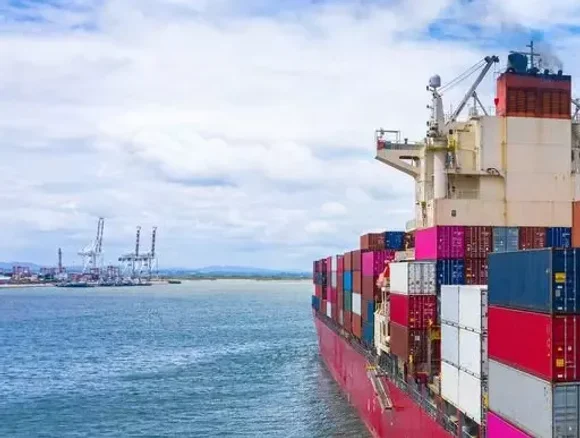
- Sea Freight: Ideal for bulk shipments like tires, engines, and body parts.
- Rail Freight: Provides a middle ground with lower cost than air and faster delivery than sea, especially to central Europe.
7. What Are the Pros and Cons of Different Freight Options?
| Mode | Pros | Cons | Best For |
|---|---|---|---|
| Sea Freight | Cheapest for large volumes | Slow delivery | Heavy or bulky auto parts |
| Air Freight | Fast and reliable | High cost | Urgent parts, electronics |
| Rail Freight | Balanced cost & time | Limited destination ports | Mid-volume shipments |
| Courier | Door-to-door, simple | Expensive for bulk | Samples, e-commerce |
8. How Much Does It Cost to Ship Auto Parts?
| Container Type | Price Range | Suitable For |
|---|---|---|
| 20ft FCL | $1,300–$1,800 | Small auto parts batches |
| 40ft FCL | $2,000–$2,600 | Engines, tires, large cargo |
| 40ft HC (High Cube) | $2,200–$2,800 | Oversized or lightweight parts |
What are you waiting for?
Contact chinatopfreight for a fast, free quote.
Are you ready to book?
Access live instant freight quotes
9. Do Hazardous Auto Parts Require Special Handling?
Yes. Items such as batteries, lubricants, airbags, and chemicals require compliance with IMO (International Maritime Organization) rules and IATA air freight regulations. Additional labeling and MSDS documents are mandatory.
10. How Do Customs Regulations Impact Auto Parts Shipping?
European Union customs enforce strict import duties and safety compliance. Importers must classify goods correctly under the HS Code. Moreover, some auto parts are subject to anti-dumping duties or environmental restrictions, especially electronics and batteries.
Conclusion
Mastering how to ship auto parts from China to Europe ensures timely deliveries, reduced costs, and smooth customs clearance. Sea freight is most cost-effective for bulk goods, while air freight handles urgent deliveries. Rail freight offers a balanced option for central Europe. With the right freight forwarder managing documents, compliance, and delivery schedules, businesses can strengthen supply chains and compete effectively in the automotive industry.
FAQ
Q1: Can I ship used auto parts from China to Europe?
Yes, but they must pass EU safety inspections and may require additional certification to prove roadworthiness and environmental compliance.
Q2: Do I need an import license to bring auto parts into Europe?
Generally no, but restricted parts like airbags or batteries may require permits. A freight forwarder can confirm requirements.
Q3: What packaging is recommended for heavy auto parts?
Strong wooden crates, reinforced pallets, and moisture-proof wrapping are recommended to protect against damage during transit and handling.
Q4: Can small businesses ship auto parts via courier?
Yes, but this is only economical for small quantities or samples. For larger orders, air or sea freight is more cost-effective.
Q5: How do seasonal trends affect shipping costs for auto parts?
During peak seasons like Christmas or Chinese New Year, rates rise 20–30%. Booking early secures space and avoids delays.