

- By kelly
- October 16, 2025
- Logistics, Tips or Guide
How to Ship Clothing from China to UK: Complete 2025 Guide
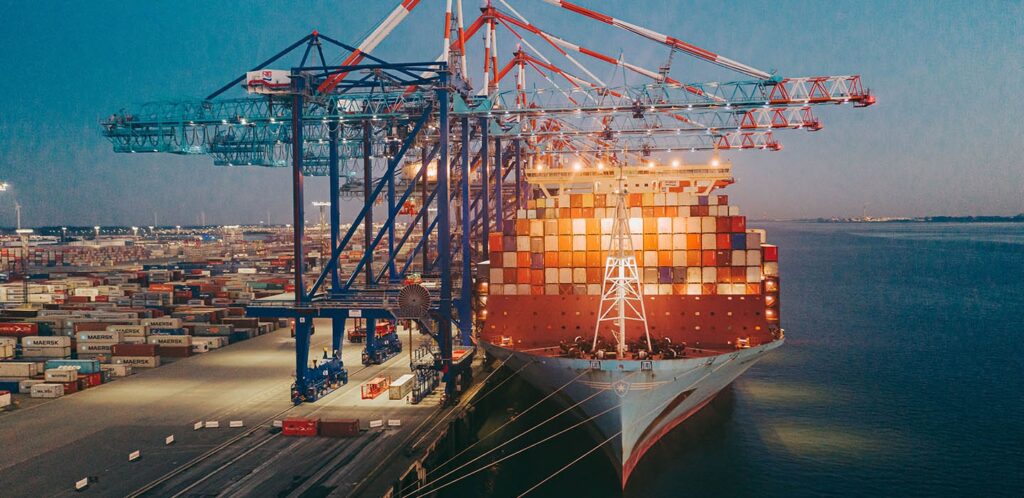
The global fashion industry relies heavily on imports, and the UK is no exception. For e-commerce sellers, retailers, and wholesalers, knowing how to ship clothing from China to UK is essential for keeping costs low and ensuring timely deliveries. However, navigating customs, shipping costs, and transit times can be confusing. This guide provides practical solutions to streamline your supply chain and optimize clothing imports from China.
1. What Are the Main Shipping Options for Clothing Imports?
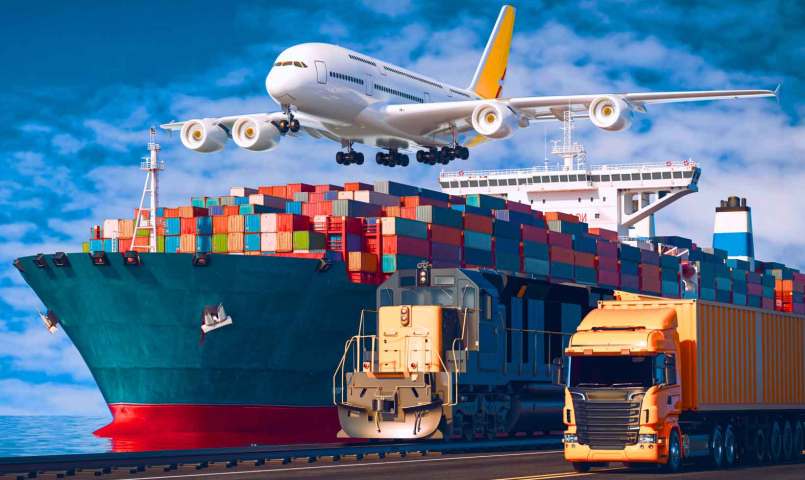
Shipping clothing from China to the UK can be done by air, sea, rail, or courier. Each method has unique advantages.
| Method | Cost Estimate | Transit Time | Best For |
|---|---|---|---|
| Air Freight | $5–$8 per kg | 5–8 days | Urgent fashion orders, small volumes |
| Sea Freight (FCL/LCL) | $1,800–$3,500 per container | 30–40 days | Bulk clothing shipments |
| Rail Freight (via Europe) | $2,500–$4,000 per container | 18–25 days | Medium cargo with faster delivery |
| Express Courier (DHL/UPS) | $20–$40 per package | 3–5 days | Samples, small packages |
2. How Much Does It Cost to Ship Clothing from China to UK?
The shipping cost depends on weight, volume, and method. Clothing is lightweight but often bulky, so volumetric weight applies.
| Shipment Size | Sea Freight LCL | Air Freight | Courier |
|---|---|---|---|
| 1–3 CBM | $120–$150 per CBM | $7 per kg | $25–$35 |
| 4–10 CBM | $100–$130 per CBM | $6 per kg | $22–$30 |
| 20ft Container | $1,800–$2,500 | — | — |
| 40ft Container | $3,000–$3,500 | — | — |
Tip: For volumes above 2 CBM, sea or rail freight is usually more cost-efficient than air.
3. What Are the Best Routes from China to UK?
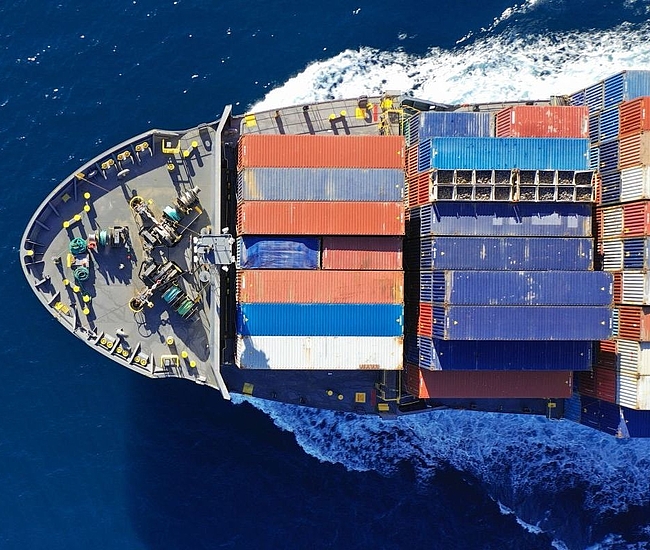
- Sea Freight Ports: Shanghai, Shenzhen, Ningbo → Felixstowe, Southampton, London Gateway
- Air Freight Routes: Shanghai PVG, Shenzhen SZX → London Heathrow (LHR), Manchester (MAN)
- Rail Freight: From Yiwu, Chongqing, or Zhengzhou → Hamburg or Duisburg (Germany) → Truck to UK
4. How Long Does It Take to Ship Clothing from China to UK?
| Shipping Method | Average Transit Time |
|---|---|
| Air Freight | 5–8 days |
| Express Courier | 3–5 days |
| Sea Freight (FCL) | 30–40 days |
| Sea Freight (LCL) | 35–45 days (due to consolidation) |
| Rail Freight | 18–25 days |
Note: Customs clearance may add 2–4 days.
5. What Documents Are Required to Import Clothing into the UK?
| Document | Purpose |
|---|---|
| Bill of Lading / Air Waybill | Proof of shipment |
| Commercial Invoice | Declares value and HS code |
| Packing List | Details quantities and materials |
| Certificate of Origin | Confirms Chinese origin |
| Import VAT & Duties Payment | Mandatory for UK customs |
6. What Are Customs Duties for Clothing in the UK?
- Customs Duty: Varies by HS code (usually 5–12%).
- Import VAT: 20% of the total CIF (Cost + Insurance + Freight) value.
- Preferential Tariffs: Post-Brexit, some trade agreements may impact duties.
Example: Importing $10,000 worth of clothing with 10% duty = $1,000 duty + 20% VAT = $2,200 total.
7. Should You Choose FCL or LCL for Clothing Imports?
- FCL (Full Container Load): Recommended for shipments above 15 CBM. Lower per-unit cost, less handling.
- LCL (Less than Container Load): Ideal for smaller batches. More flexible but higher handling fees.
8. Air vs Sea vs Rail for Clothing Imports
| Factor | Air Freight | Sea Freight | Rail Freight |
|---|---|---|---|
| Speed | 5–8 days | 30–40 days | 18–25 days |
| Cost | High | Lowest | Moderate |
| Best For | Fast fashion, urgent restock | Large volumes, low-cost items | Mid-volume imports, balanced speed |
9. How Do UK Regulations Affect Clothing Imports?
- Labeling Requirements: Must include fiber composition, care instructions, and origin.
- Safety Standards: Fire safety for children’s clothing, chemical restrictions under REACH.
- EORI Number: UK importers need an Economic Operator Registration Identification number.
10. Tips to Reduce Shipping Costs for Clothing Imports
- Consolidate orders to reduce per-unit costs.
- Use FOB terms (supplier pays local charges in China).
- Book during off-peak seasons (avoid Q4 surcharges).
- Negotiate with multiple forwarders for competitive pricing.
- Choose the right HS codes to avoid excess duties.
11. What Are the Pros and Cons of Different Shipping Methods?
| Method | Pros | Cons |
|---|---|---|
| Air Freight | Fast, secure | Expensive for bulk clothing |
| Sea Freight | Cheapest for large volumes | Slower |
| Rail Freight | Balanced cost & speed | Limited capacity |
| Courier | Fast, door-to-door | High cost, weight limits |
📦Get a Free Quote
Shipping fashion products demands efficiency. A professional forwarder ensures your clothing arrives on time, with smooth customs clearance and competitive pricing. If you want expert help on how to ship clothing from China to UK, contact us today for a personalized shipping solution.
❓ Frequently Asked Questions
1. What is the cheapest way to ship clothing from China to UK?
Sea freight is cheapest for large volumes. For smaller batches under 2 CBM, consider LCL shipping.
2. How long does shipping clothing from China to UK take?
Air freight takes 5–8 days, while sea freight averages 30–40 days depending on route and customs clearance.
3. What taxes apply when importing clothing into the UK?
UK importers pay customs duty (5–12% depending on fabric) plus 20% VAT on the total shipment value.
4. Can I ship small clothing orders by courier?
Yes, express courier services like DHL and UPS are ideal for samples or small orders under 50 kg.
5. Do I need an EORI number to import clothing into the UK?
Yes, an EORI number is mandatory for customs clearance and must be obtained before importing.
Conclusion
Knowing how to ship clothing from China to UK is vital for fashion businesses competing in a fast-paced market. While sea freight remains the most economical for bulk shipments, air freight ensures fast restocking for time-sensitive clothing lines. Rail freight provides a middle ground for businesses seeking faster delivery at moderate cost.
By preparing documents correctly, choosing the right method, and working with an experienced freight forwarder, importers can reduce costs, avoid delays, and keep their supply chains competitive.