

Shipping food across borders can be challenging, especially with strict U.S. customs requirements. If you are wondering how to ship food products from China to USA safely and cost-effectively, this guide provides everything you need—from shipping methods to customs clearance and documentation.

1. Why Import Food Products from China to the USA?
China is one of the largest exporters of packaged food, snacks, and ingredients. U.S. businesses import to reduce costs, diversify suppliers, and meet consumer demand. However, strict FDA regulations and customs compliance make the process more complex. Therefore, choosing the right freight solution is crucial.
2. What Are the Shipping Options for Food Products?
Shipping methods vary depending on product type, urgency, and budget. Below is a comparison table:
| Shipping Method | Average Transit Time | Cost Level | Best For | Pros | Cons |
|---|---|---|---|---|---|
| Air Freight | 3–7 days | High | Perishable or urgent food | Fast, secure | Expensive, limited volume |
| Sea Freight (FCL) | 25–35 days | Low | Bulk shipments | Cost-effective, large volume | Slow, requires planning |
| Sea Freight (LCL) | 30–40 days | Medium | Small to medium cargo | Flexible, affordable | Longer transit, shared space |
| Express Courier | 2–5 days | Very High | Small packages, samples | Door-to-door, quick | High cost, weight limits |
| Rail + Sea (Multimodal) | 20–28 days | Medium | Packaged or semi-perishable food | Balance cost and speed | Limited to certain routes |
3. How to Choose Between FCL and LCL for Food Shipments?
- FCL (Full Container Load): Best for high-volume shipments such as canned food, beverages, or bulk ingredients. Lower cost per unit, secure handling.
- LCL (Less than Container Load): Suitable for small importers. You share space with other shippers, but delays may occur.
4. What Are the Customs Requirements in the USA?
Importing food into the U.S. requires strict compliance. Here’s a quick customs documents checklist:
| Required Document | Purpose |
|---|---|
| Bill of Lading (B/L) | Proof of cargo ownership & transport |
| Commercial Invoice | Declares product value for customs |
| Packing List | Lists product details & packaging |
| FDA Prior Notice | Must be filed before food arrives |
| Food Facility Registration (FFR) | Required for exporters & manufacturers |
| Certificate of Origin | Proof of food origin |
| Phytosanitary Certificate (if applicable) | For fresh produce or plant products |
5. How Does FDA Prior Notice Work?
The U.S. Food and Drug Administration requires prior notice for all food imports. Importers must submit shipment details electronically before arrival. Failure to comply may result in rejection, detention, or fines.
6. How Much Does It Cost to Ship Food from China to the USA?
Costs depend on weight, volume, and method:
| Shipping Method | Approximate Cost (per kg or container) |
|---|---|
| Air Freight | $5–$9/kg |
| Sea Freight (FCL 20ft) | $1,200–$2,000 |
| Sea Freight (FCL 40ft) | $1,800–$3,200 |
| LCL | $30–$60/cbm |
| Express Courier | $8–$15/kg |
Note: Rates fluctuate based on season, fuel surcharges, and carriers.
What are you waiting for?
Contact chinatopfreight for a fast, free quote.
Are you ready to book?
Access live instant freight quotes
7. How Long Does It Take to Ship Food from China to USA?
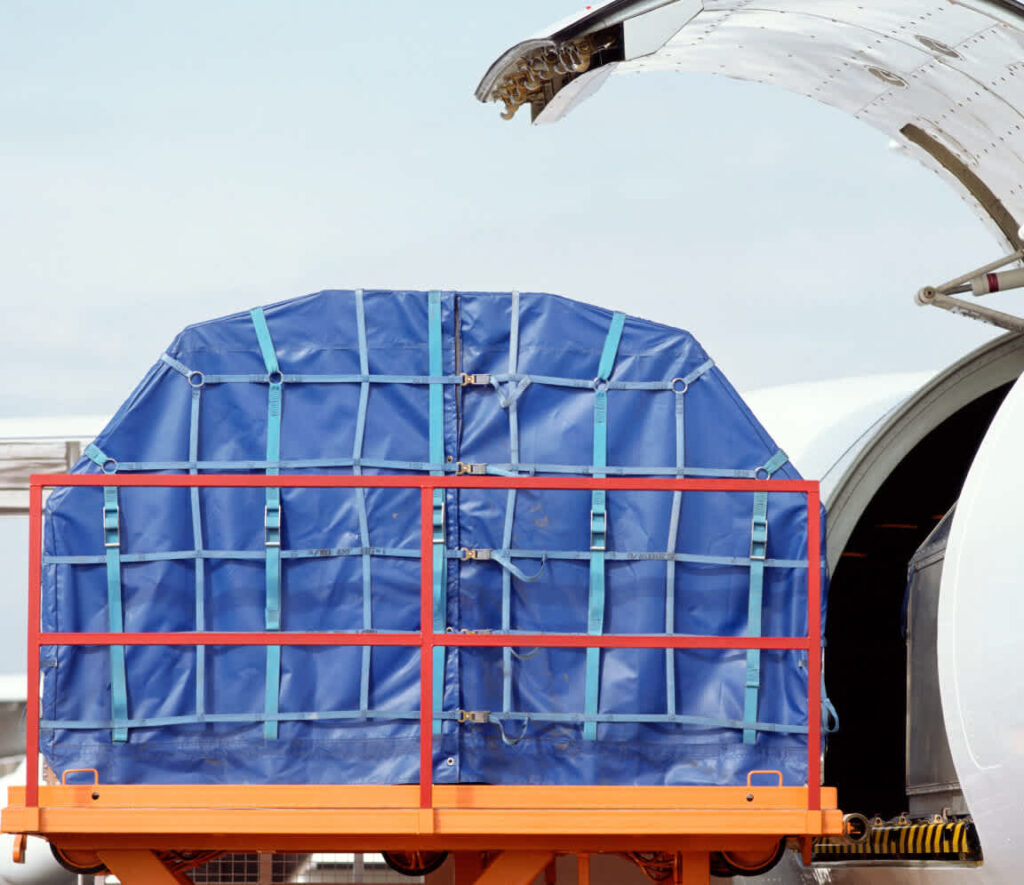
| Destination Port | By Air | By Sea (FCL) | By Sea (LCL) |
|---|---|---|---|
| Los Angeles | 3–5 days | 15–20 days | 20–28 days |
| New York | 4–7 days | 25–30 days | 28–35 days |
| Houston | 3–6 days | 22–28 days | 25–32 days |
| Miami | 4–7 days | 28–35 days | 30–38 days |
8. What Are the Pros and Cons of Air vs. Sea Freight?
| Factor | Air Freight | Sea Freight |
|---|---|---|
| Speed | Very fast (3–7 days) | Slow (25–35 days) |
| Cost | High per kg | Low per unit |
| Volume | Limited | Large capacity |
| Reliability | Weather dependent | Potential port delays |
| Best For | Perishable food, urgent imports | Bulk shipments, shelf-stable goods |
9. Do You Need Cold Chain Logistics?
For perishable food such as seafood, dairy, or frozen items, cold chain shipping is essential. This includes refrigerated containers (reefers), temperature monitoring, and faster transit to prevent spoilage.
10. What Are the Common Challenges Importers Face?
- Customs Delays: Missing documents or FDA rejections.
- High Costs: Seasonal fluctuations increase freight rates.
- Spoilage Risk: Poor packaging or inadequate temperature control.
- Tariffs & Duties: Extra costs depending on product type.
Conclusion
Shipping food across borders requires expertise, compliance, and careful planning. Understanding how to ship food products from China to USA means choosing the right shipping method, preparing complete customs documentation, and ensuring food safety through proper packaging or cold chain logistics. By working with an experienced freight forwarder, you can reduce risks, control costs, and guarantee timely delivery to U.S. markets.
FAQ
Q1: Can I import homemade food products from China to the USA?
No, U.S. customs only allows imports from FDA-registered facilities to ensure food safety and traceability.
Q2: Do I need special packaging for food shipments?
Yes, packaging must prevent contamination, damage, and spoilage. Perishables often require insulated containers or reefer services.
Q3: Are tariffs applied to food imports from China?
Yes, tariffs vary by food type under the U.S. Harmonized Tariff Schedule (HTS). Check your product’s classification for applicable duties.
Q4: How do I file an FDA Prior Notice?
You can submit it online via the FDA’s Prior Notice System Interface (PNSI) before your shipment departs from China.
Q5: Can small businesses use LCL shipping for food?
Yes, LCL is common for SMEs importing smaller quantities, though transit may be longer compared to FCL.