

- By carlie tj
- October 21, 2025
- Tips or Guide, Transport
Shipping home goods internationally requires planning, compliance, and reliable logistics partners. For importers and retailers, knowing how to ship home goods from China to UK is critical to avoid delays and unexpected costs. At China Top Freight, we simplify the process by providing customized freight solutions, competitive rates, and expert guidance on customs clearance.
1. What Are the Main Options for Shipping Home Goods from China to UK?
Importers typically choose between sea freight, air freight, rail freight, and courier services depending on shipment size, urgency, and budget.
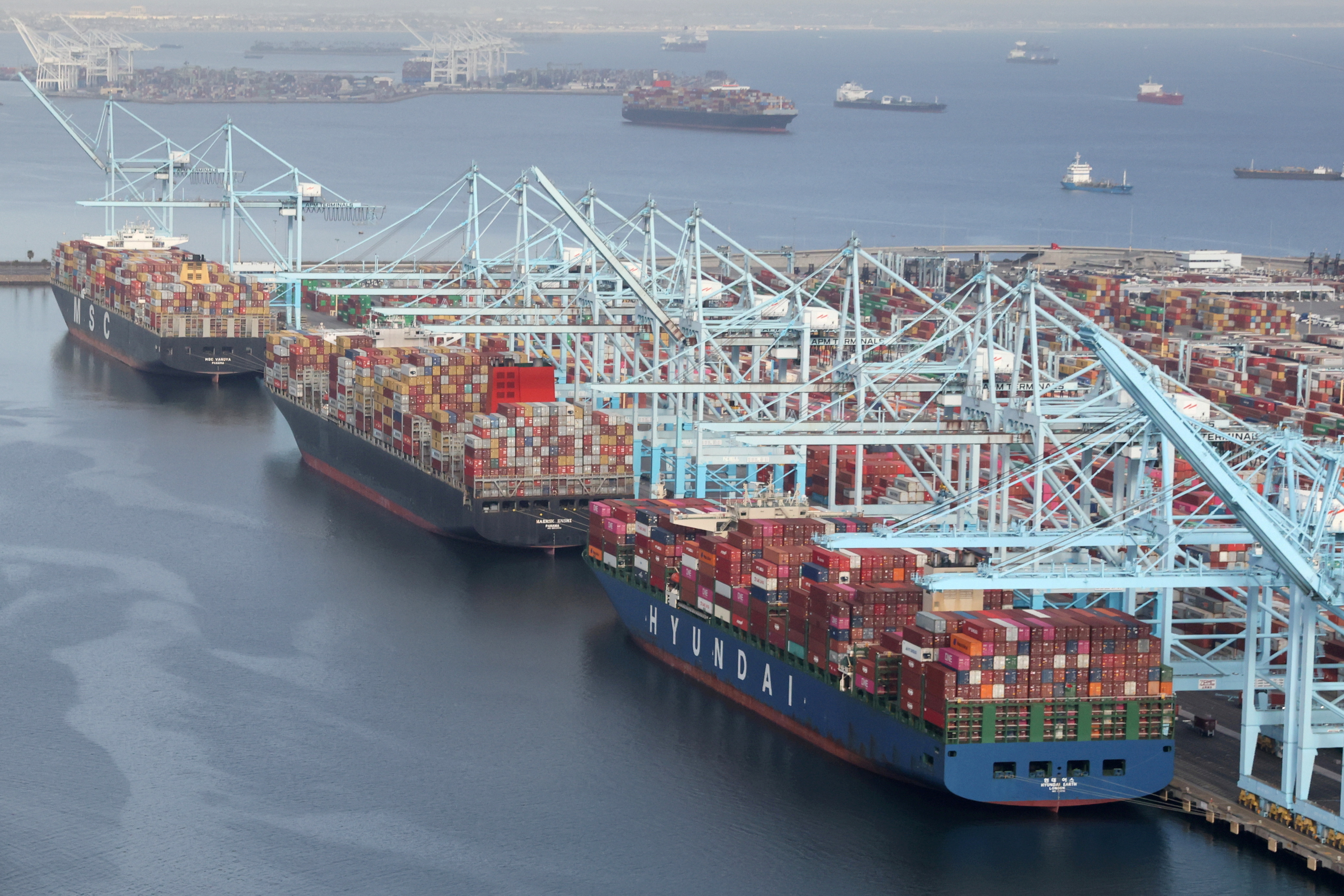
- Sea Freight (FCL/LCL): Best for bulky furniture, appliances, and large orders.
- Air Freight: Suitable for high-value or urgent goods.
- Rail Freight: Ideal for medium-volume shipments with moderate speed requirements.
- Express Courier: Best for small parcels or samples.
2. How Much Does It Cost to Ship Home Goods from China to UK?
Shipping costs depend on cargo size, transport method, and delivery terms (FOB, CIF, DDP).
Shipping Method Comparison
| Shipping Mode | Avg. Transit Time | Cost Estimate | Best For | Pros | Cons |
|---|---|---|---|---|---|
| Sea Freight (FCL/LCL) | 30–40 days | $2,500–$6,000/40ft | Large home goods | Lowest cost | Slow transit |
| Air Freight | 5–9 days | $6–$10/kg | Urgent, small to mid loads | Fast, safe | High rates |
| Rail Freight | 18–25 days | Moderate ($3,000–$5,000/container) | Mid-volume | Balanced cost & time | Limited UK routes |
| Courier | 3–7 days | $25–$40/parcel | Samples or small parcels | Convenient | Weight/size limits |
3. Which Customs Documents Are Required to Import Home Goods?
| Document | Purpose | Required? |
|---|---|---|
| Commercial Invoice | Declares goods value | ✔ |
| Packing List | Confirms itemized contents | ✔ |
| Bill of Lading/Air Waybill | Proof of transport contract | ✔ |
| HS Code Declaration | Determines duty & VAT | ✔ |
| Import License (if needed) | Special items like electronics | Conditional |
| Certificate of Origin | Validates product source | Optional |
| Insurance Certificate | Protects against damage | Optional |
4. Why Is HS Code Classification Important?
HS codes classify goods for tariffs, VAT, and trade statistics. Home goods include furniture (HS 9401–9403), kitchenware (HS 7323), and textiles (HS 6304). Correct classification avoids penalties and ensures the right duty rate is applied.
5. Should You Use FCL or LCL for Home Goods Shipments?
FCL (Full Container Load): Best for large orders. One container is sealed for your goods only, reducing handling risks.
LCL (Less than Container Load): Ideal for smaller shipments that share container space. More economical for low-volume goods but involves longer handling at ports.
6.What Packaging and Labeling Rules Apply for Home Goods?
Proper packaging prevents damage and ensures compliance with UK import rules:
- Strong cartons or wooden crates for fragile homeware.
- Waterproof wrapping for textiles and furniture.
- Shipping marks with consignee, destination, and handling symbols.
- Labels complying with UK safety and consumer standards.
7.Conclusion
Understanding how to ship home goods from China to UK requires knowledge of customs rules, freight options, and accurate documentation. While sea freight remains the cheapest method for large shipments, air and rail offer faster alternatives for urgent or mid-volume cargo. Importers must ensure proper packaging, labeling, and HS classification to comply with UK laws. Partnering with an experienced freight forwarder like China Top Freight ensures a cost-effective, compliant, and stress-free shipping process.
8. Request a Quote
China Top Freight offers:
- ✅ Origin and Destination Countries
- ✅ Cargo Type and Volume
- ✅ Preferred Transport Method (Air, Sea, Rail, Road)
- ✅ Delivery Timeline
- ✅ Special Handling Requirements (if any)
💬9. FAQ
Q1. What is the cheapest way to ship bulky home goods from China to the UK?
The most affordable option is sea freight FCL, which significantly lowers per-unit costs for heavy furniture and bulk items.
Q2. Are there restricted home goods items for UK import?
Certain items like electrical appliances require compliance certificates, while hazardous household goods need special import licenses. Always confirm before shipping.
Q3. What Incoterms are most commonly used for shipping home goods?
FOB and CIF are widely chosen by importers, while DDP provides full cost visibility and includes customs clearance and delivery.
Q4. Can fragile home décor items be shipped safely by sea freight?
Fragile goods should be packed in reinforced crates with cushioning. FCL reduces handling risk compared to LCL for delicate cargo.
Q5. How do I calculate total landed costs for shipping home goods?
Landed cost includes product price, freight charges, insurance, customs duties, VAT, and inland transport from port to final destination.