

- By kelly
- October 21, 2025
- Logistics, Tips or Guide
Import Customs China to Spain: Complete 2025 Guide
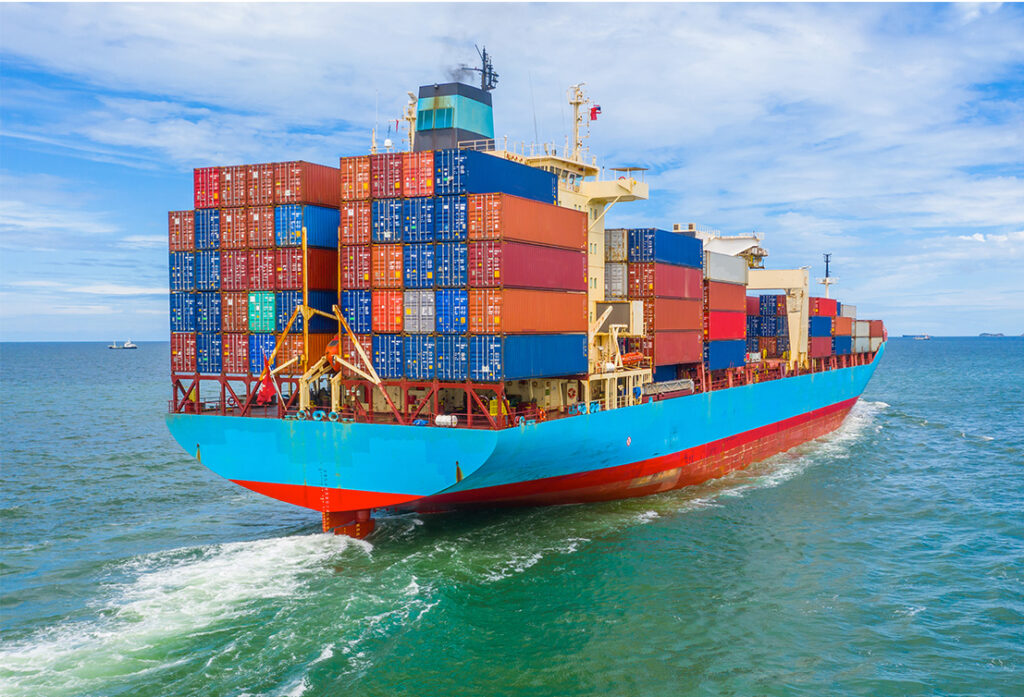
Navigating import customs China to Spain can be complex for importers dealing with goods such as electronics, textiles, furniture, and machinery. Many businesses face unexpected customs duties, documentation errors, or delays at Spanish ports. However, with proper preparation and support from a professional freight forwarder, customs clearance can be smooth, cost-efficient, and compliant with both EU and Spanish regulations.
What Are Import Customs for Shipments from China to Spain?
Import customs refers to the rules, procedures, and taxes applied to goods entering Spain from non-EU countries like China.
Key requirements include:
- Customs declaration via Spain’s electronic system (DUA).
- Payment of duties, VAT, and surcharges.
- Compliance with EU safety and labeling standards.
- Presentation of certificates for restricted goods (food, chemicals, electronics).
Therefore, importers must prepare documents and understand tariff structures before shipping.
Why is Customs Clearance Important in China–Spain Trade?
Spain is a major gateway for Chinese goods into the EU, with strong demand for consumer electronics, fashion items, and home goods. Customs clearance ensures:
- Legal compliance with Spanish and EU law.
- Proper duty and VAT collection.
- Protection against counterfeit or unsafe products.
- Smooth flow of supply chains into European markets.
How Much Do Import Duties and Taxes Cost?
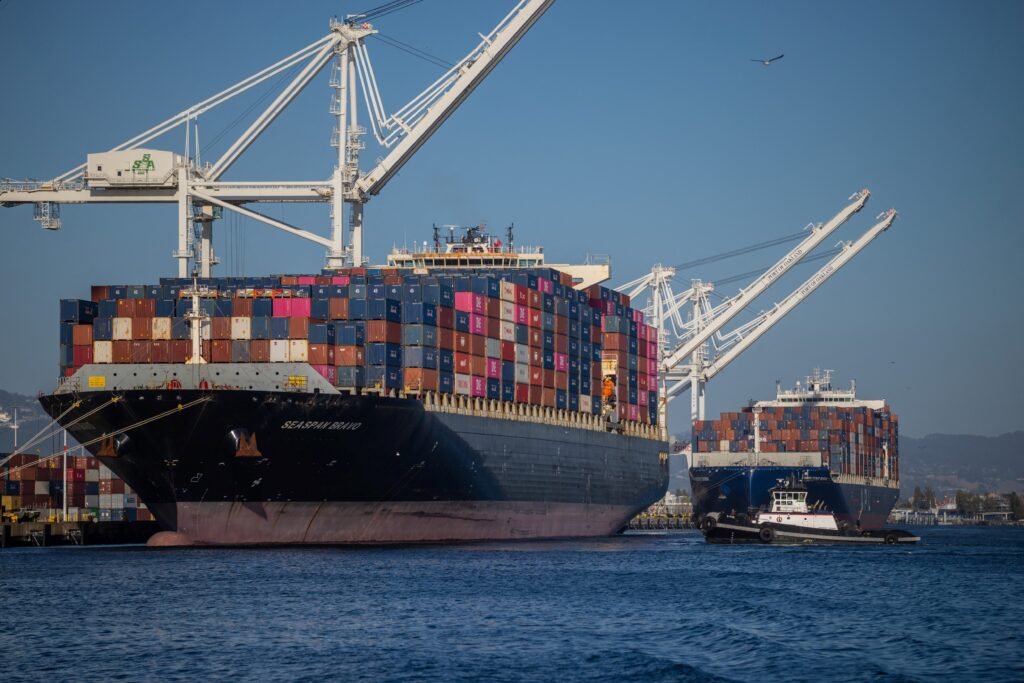
Duties and VAT depend on the HS code, product value, and Incoterms.
| Tax Type | Rate (Approx.) | Notes |
|---|---|---|
| Customs Duty | 0–12% depending on HS code | Example: textiles 12%, electronics often 0–6%. |
| Import VAT (IVA) | 21% standard, 10% reduced, 4% super-reduced | Applied on CIF value + duty. |
| Anti-dumping Duty | Varies (e.g., some steel or ceramics) | EU applies special duties on unfairly priced imports. |
| Excise Duty | Applied to alcohol, tobacco, and energy products | Not applicable to most manufactured goods. |
Example Calculation (handbags worth €10,000, CIF value):
- Customs duty: 12% = €1,200
- VAT (21% of €11,200) = €2,352
- Total import taxes = €3,552
How Long Does Customs Clearance in Spain Take?
| Mode | Customs Time | Total Transit (China → Spain) | Remarks |
|---|---|---|---|
| Sea Freight (FCL) | 2–5 days | 28–35 days | Port congestion may cause delays. |
| Sea Freight (LCL) | 3–7 days | 30–40 days | Longer deconsolidation process. |
| Air Freight | 1–2 days | 5–8 days | Fastest customs clearance. |
| Express Courier | Hours – 1 day | 3–6 days | Automated clearance for small parcels. |
What Documents Are Needed for Import Customs from China to Spain?
| Document | Purpose |
|---|---|
| Commercial Invoice | Declares product value, buyer/seller, HS code. |
| Packing List | Details items, weights, and measurements. |
| Bill of Lading / Air Waybill | Proof of carriage contract. |
| Certificate of Origin | Required for tariff classification. |
| CE Certificate (if applicable) | For electronics, toys, and regulated products. |
| Import License | For restricted goods such as chemicals, pharmaceuticals, or food. |
What Goods Commonly Require Extra Customs Checks?
- Electronics: Must meet CE safety standards.
- Textiles & apparel: Subject to anti-dumping controls.
- Food products: Require health and phytosanitary certificates.
- Luxury goods (bags, watches): High scrutiny for counterfeits.
- Chemicals: REACH compliance under EU rules.

Shipping Methods from China to Spain: Which Is Best for Customs Clearance?
| Method | Cost | Transit Time | Pros | Cons |
|---|---|---|---|---|
| FCL Sea Freight | $1,800 – $2,800 (40ft) | 28–35 days | Best for bulk goods, lower unit cost | Slower, requires full container. |
| LCL Sea Freight | $50–$80 per CBM | 30–40 days | Flexible for smaller loads | Longer clearance & handling. |
| Air Freight | $5–$9 per kg | 5–8 days | Fastest, reliable for high-value cargo | Expensive for bulky goods. |
| Express Courier | $6–$12 per kg | 3–6 days | Door-to-door, automated customs for parcels | High per-unit cost, weight limits. |
| Rail + Sea Combo | $300–$500 per CBM (via EU) | 20–28 days | Balanced speed and cost | Indirect routing, limited cargo types. |
How to Avoid Customs Delays When Importing from China to Spain?
- Prepare accurate HS codes to avoid misclassification.
- Ensure invoices and packing lists match.
- Obtain CE certifications early for electronics and toys.
- Hire a customs broker or forwarder to manage clearance.
- Avoid peak periods such as Chinese New Year and Christmas season.
Do Importers Need a Customs Broker in Spain?
While not mandatory, using a broker is recommended for:
- First-time importers unfamiliar with Spanish/EU rules.
- Large shipments requiring precise tariff calculations.
- Restricted or regulated goods.
A professional broker ensures compliance and faster clearance.
Why Work with a Freight Forwarder for China–Spain Shipments?
- Expertise in Spanish customs laws.
- Direct carrier contracts for better rates.
- Door-to-door services including warehousing and last-mile delivery.
- Risk management with cargo insurance and packaging.
- Visibility via shipment tracking tools.
📦Get a Free Quote
Before shipping, make sure your logistics partner specializes in import customs China to Spain. With professional guidance, you can reduce costs, minimize delays, and ensure regulatory compliance across the supply chain. Contact a trusted freight forwarder today to simplify your imports and keep your trade flowing smoothly.
❓ Frequently Asked Questions
1. How much are customs duties for imports from China to Spain?
Customs duties range from 0–12%, depending on product HS code. Additional VAT (21% standard) applies on CIF value plus duty.
2. How long does customs clearance take in Spain?
Clearance usually takes 2–5 days for sea freight and 1–2 days for air freight, provided documents are accurate and complete.
3. Do I need CE certification for imports from China?
Yes, CE marking is mandatory for electronics, toys, and certain machinery to comply with EU regulations before import.
4. What ports in Spain handle most imports from China?
Major ports include Valencia, Barcelona, and Algeciras, while Madrid and Zaragoza airports handle large volumes of air freight.
5. Can small businesses import from China to Spain easily?
Yes, but they should work with a freight forwarder or customs broker to handle paperwork and avoid costly delays.
Conclusion
Efficiently managing import customs China to Spain is critical for businesses seeking smooth supply chains and cost savings. While duties, VAT, and documentation can be complex, working with experienced freight forwarders and customs brokers ensures compliance and timely delivery. By preparing documents accurately, choosing the right shipping method, and leveraging EU trade agreements, importers can minimize delays and optimize their operations.