

- By kelly
- September 19, 2025
- Logistics, Tips or Guide
International Freight Forwarder China: Everything Importers Need to Know
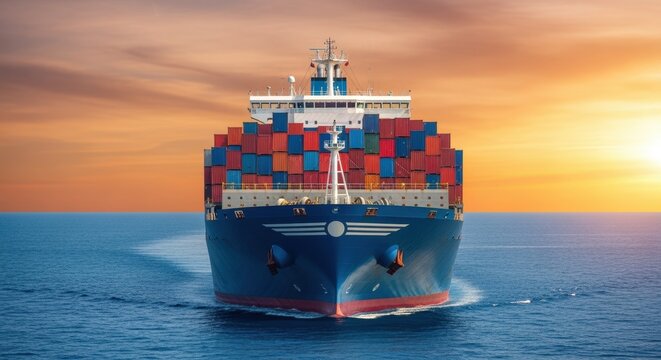
If you import products, one of your biggest challenges is finding a reliable international freight forwarder China who can manage your shipments efficiently. Choosing the wrong partner can lead to higher costs, customs delays, and even lost cargo. However, by understanding services, costs, and selection criteria, you can secure a trusted logistics partner that streamlines your global supply chain.
1. What Is an International Freight Forwarder in China?
An international freight forwarder in China is a company that coordinates the movement of goods from Chinese suppliers to buyers abroad.
Their main responsibilities include:
- Booking cargo space on ships, planes, or trains.
- Managing customs clearance and tariffs.
- Handling paperwork such as bills of lading and invoices.
- Offering warehousing and cargo consolidation.
- Providing door-to-door delivery solutions.
Without a forwarder, importers face complex regulations and unpredictable costs.
2. Why Should You Use an International Freight Forwarder in China?
Working directly with carriers can be complicated. However, a forwarder simplifies logistics:
- Lower Costs: They negotiate bulk shipping rates.
- Customs Expertise: Smooth clearance and compliance with regulations.
- Flexible Options: Air, sea, rail, and courier choices.
- Risk Management: Cargo insurance and professional handling reduce loss.
- Efficiency: Time-saving documentation and scheduling.
3. How to Choose the Best International Freight Forwarder China?
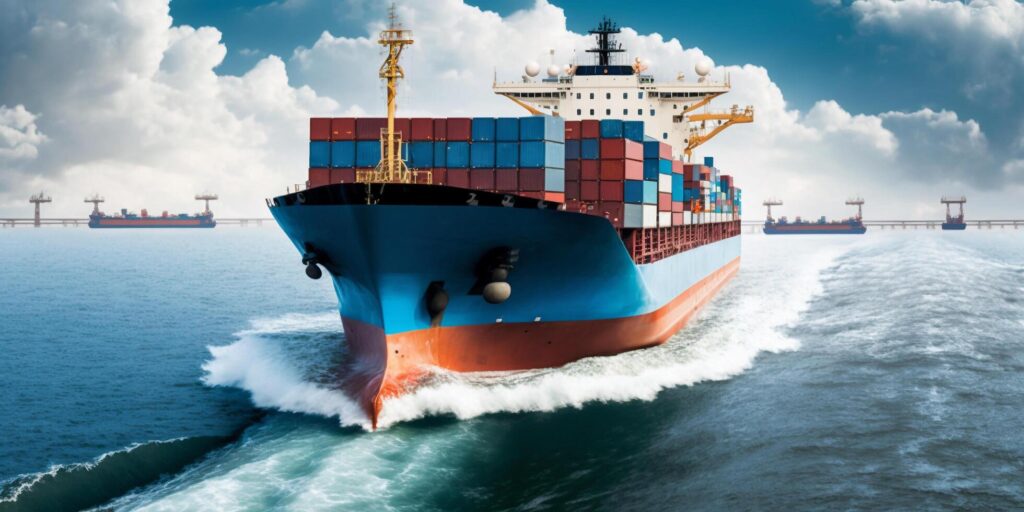
When selecting a forwarder, consider:
- Industry Experience: Some specialize in electronics, textiles, or chemicals.
- Service Portfolio: Must offer air freight, sea freight, LCL, FCL, and courier.
- Network Coverage: Offices in major Chinese ports and your destination country.
- Technology: Real-time tracking and digital paperwork.
- Customer Support: English-speaking staff with 24/7 communication.
- Transparent Pricing: Avoid hidden fees and unclear quotes.
4. What Shipping Methods Do International Freight Forwarders in China Offer?
| Shipping Method | Avg. Cost | Transit Time | Pros | Cons |
|---|---|---|---|---|
| Air Freight | $4.5 – $9/kg | 3–7 days | Fast, reliable | Expensive |
| Sea Freight (20ft FCL) | $2,500 – $3,500 | 25–35 days | Best for bulk | Slower |
| Sea Freight (LCL per CBM) | $150 – $250 | 30–40 days | Cost-effective for small loads | Higher damage risk |
| Rail Freight | $2 – $5/kg | 18–25 days | Balanced cost/speed | Limited coverage |
| Courier (DHL/UPS/FedEx) | $8 – $15/kg | 2–5 days | Easy customs | Costly per kg |
5. How Much Does an International Freight Forwarder in China Charge?
Forwarder costs include service fees in addition to freight.
| Service | Typical Cost (USD) |
|---|---|
| Air Freight Handling Fee | $50 – $150 |
| Sea Freight THC (Terminal Handling) | $150 – $250 |
| Customs Clearance | $100 – $200 |
| ISF Filing (U.S.) | $30 – $60 |
| Trucking / Last-Mile | $200 – $600 |
| Documentation Fee | $50 – $100 |
Tip: Always request “all-in” pricing to avoid hidden surcharges.
6. How Do Transit Times Compare by Destination?
| Route | Air Freight | Sea Freight | Rail Freight |
|---|---|---|---|
| Shanghai → Los Angeles | 3–5 days | 25–30 days | N/A |
| Ningbo → New York | 5–7 days | 30–40 days | N/A |
| Guangzhou → Houston | 4–6 days | 30–35 days | N/A |
| Shenzhen → Chicago | 3–6 days | 28–35 days | N/A |
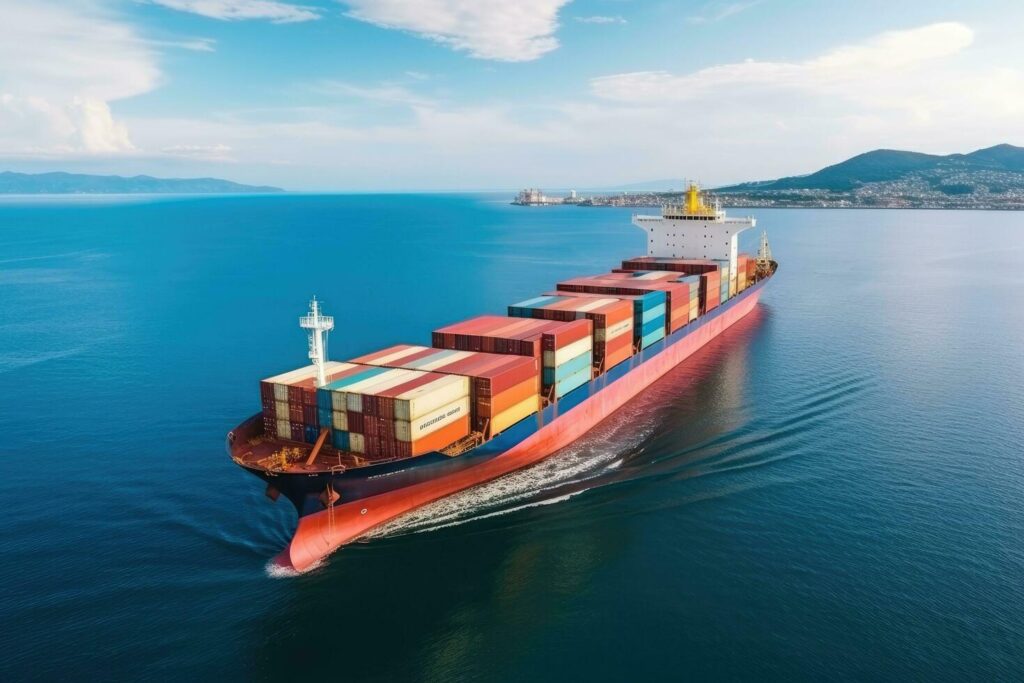
7. What Documents Do International Freight Forwarders Handle?
| Document | Purpose |
|---|---|
| Bill of Lading (B/L) | Confirms sea shipment |
| Air Waybill (AWB) | Transport proof for air cargo |
| Commercial Invoice | Declares cargo value |
| Packing List | Details package contents |
| Certificate of Origin | Determines duty rates |
| Customs Bond | Required for U.S. imports |
| ISF Filing | Mandatory for U.S. ocean imports |
Incorrect documentation can cause fines or customs delays.
8. Should You Work with a Local or Global Freight Forwarder?
- Chinese Forwarder: Cost-effective, strong local ties, familiar with Chinese regulations.
- International Forwarder: Better global coverage, easier communication, advanced IT.
Best Option: Choose a forwarder with offices in both China and your destination country.
9. Pros and Cons of Using an International Freight Forwarder in China
| Pros | Cons |
|---|---|
| Lower costs with bulk carrier contracts | Language and time-zone challenges |
| Local knowledge of Chinese customs | Quality varies among providers |
| Access to multiple shipping modes | Hidden charges possible |
| Risk reduction with insurance | Careful vetting required |
10. How to Negotiate with an International Freight Forwarder?
- Request multiple quotes for comparison.
- Ask for all-in pricing to prevent hidden fees.
- Negotiate volume discounts for frequent shipments.
- Inquire about consolidation to cut LCL costs.
- Build long-term relationships for loyalty pricing.
11. How Do International Freight Forwarders Compare with Carriers?
| Factor | Freight Forwarder | Carrier |
|---|---|---|
| Services | End-to-end logistics | Only transport |
| Documentation | Full support | Limited |
| Customs Clearance | Yes | No |
| Flexibility | High (multiple modes) | Low |
| Cost | Competitive via negotiation | Standard rates |
12. How to Avoid Common Mistakes When Hiring a Forwarder?
- Don’t choose based on price alone—service reliability matters.
- Always verify licenses and memberships (FIATA, WCA).
- Avoid forwarders with unclear communication.
- Confirm insurance coverage for valuable cargo.
📦Get a Free Quote
If you’re still searching for the right international freight forwarder China, remember that the right choice ensures lower costs, smoother customs, and reliable delivery schedules.
❓ Frequently Asked Questions
Q1: Why should I use an international freight forwarder in China?
They simplify logistics by managing carrier booking, customs clearance, documentation, and door-to-door delivery at competitive costs.
Q2: How much does sea freight from China to the USA cost?
A 20ft container typically costs $2,500–$3,500, while a 40ft container ranges from $4,000–$5,500.
Q3: Can international freight forwarders handle customs clearance?
Yes, most forwarders prepare all customs paperwork and handle duties, ISF filing, and tariff compliance.
Q4: What’s the fastest shipping method from China?
Air freight and courier services deliver in 3–7 days, ideal for urgent or high-value shipments.
Q5: How do forwarders calculate freight costs?
They consider cargo weight, CBM, shipping mode, distance, and surcharges such as fuel and peak season fees.
Conclusion
In summary, working with an international freight forwarder China is essential for efficient global trade. A reliable forwarder helps you cut costs, simplify customs, and manage documentation. Typical options include sea freight, air freight, rail, and courier, each with unique benefits.
By carefully selecting a forwarder with proven expertise, strong networks, and transparent pricing, you protect your supply chain and ensure your shipments arrive on time. Don’t leave your logistics to chance—partner with a trusted freight forwarder to secure your international imports from China.