

- By kelly
- September 19, 2025
- Logistics, Tips or Guide
International Freight Forwarders in China: A Complete Guide for Importers
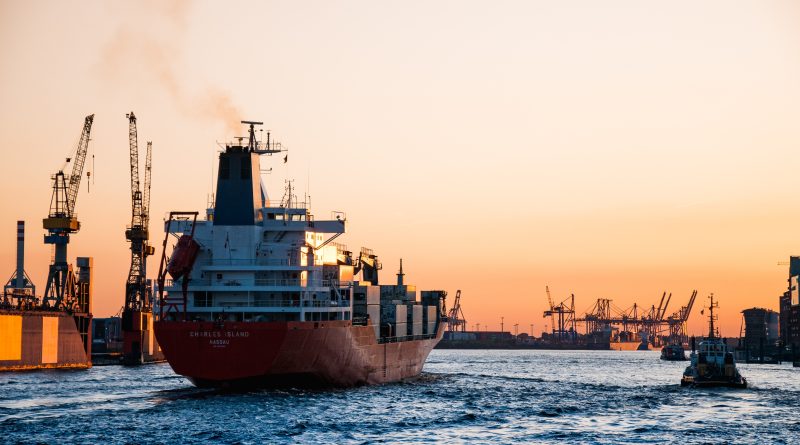
Global supply chains rely heavily on international freight forwarders in China to connect manufacturers with overseas buyers. However, many importers struggle with complex regulations, rising shipping costs, and long transit times. By partnering with the right freight forwarder, you can simplify logistics, reduce risks, and ensure your goods arrive on schedule.
1. What Are International Freight Forwarders in China?
Freight forwarders are logistics specialists who act as intermediaries between shippers and carriers. Instead of moving goods themselves, they coordinate transport across sea, air, rail, and road.
Key responsibilities include:
- Negotiating rates with airlines and shipping lines.
- Handling customs clearance and import/export paperwork.
- Consolidating smaller shipments (LCL).
- Offering insurance and warehousing services.
- Providing door-to-door delivery options.
2. Why Do Businesses Choose Freight Forwarders in China?
Importing from China without professional support can lead to delays, penalties, and hidden charges. Therefore, businesses depend on forwarders for:
- Local expertise with Chinese ports, airports, and customs.
- Cost savings through bulk rate agreements with carriers.
- Compliance management to avoid fines.
- End-to-end logistics from supplier factory to final destination.
- Supply chain visibility with tracking tools.
3. What Services Do International Freight Forwarders in China Provide?
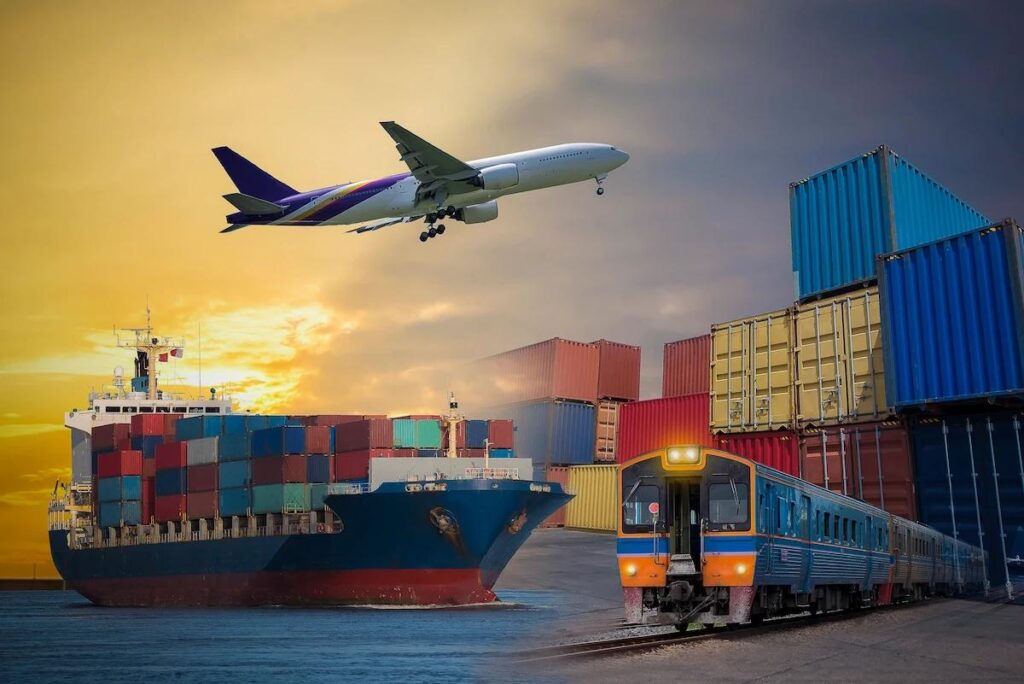
| Service | Description | Benefits |
|---|---|---|
| Air Freight | Booking cargo space with airlines. | Fastest delivery, ideal for urgent shipments. |
| Sea Freight (FCL/LCL) | Full or shared container shipping. | Cost-effective for bulk goods. |
| Rail Freight | Train shipments from China to Europe. | Balance of cost and speed. |
| Customs Clearance | Document preparation and duties. | Prevents delays and penalties. |
| Warehousing & Distribution | Storage and last-mile delivery. | Streamlines inventory and shipping. |
| Cargo Insurance | Coverage for damage/loss. | Reduces financial risks. |
4. How Much Do Freight Forwarders in China Charge?
The cost depends on shipment size, destination, and method. Below is an overview of typical charges:
| Service | Cost Range (USD) |
|---|---|
| Air Freight | $4–$8 per kg |
| Sea Freight FCL (20ft) | $2,200–$3,300 |
| Sea Freight FCL (40ft) | $4,000–$5,500 |
| LCL (per CBM) | $150–$250 |
| Rail Freight | $2–$5 per kg |
| Courier (DHL/UPS/FedEx) | $8–$15 per kg |
| Customs Clearance Fee | $100–$200 |
| Documentation Fee | $50–$100 |
5. How Long Does Shipping from China Take?
Transit time varies by shipping method and destination.
| Route | Air Freight | Sea Freight | Rail Freight |
|---|---|---|---|
| Shanghai → Los Angeles | 3–5 days | 25–30 days | N/A |
| Ningbo → New York | 5–7 days | 30–40 days | N/A |
| Shenzhen → London | 4–6 days | 28–35 days | 18–22 days |
| Guangzhou → Hamburg | 4–7 days | 30–35 days | 18–25 days |
6. What Documents Do Forwarders Handle?
| Document | Purpose |
|---|---|
| Bill of Lading (B/L) | Proof of sea freight shipment |
| Air Waybill (AWB) | Air cargo transport document |
| Commercial Invoice | Declares value for customs |
| Packing List | Details shipment contents |
| Certificate of Origin | Confirms product origin |
| ISF Filing | Required for U.S. imports |
| Customs Bond | Ensures duty payment |
7. Should You Work with Local or International Freight Forwarders?
- Local Chinese forwarders: Lower prices, better knowledge of Chinese logistics, stronger ties with factories.
- Global forwarders: Larger infrastructure, advanced technology, smoother communication in English.
Best option: Choose a forwarder with offices both in China and in your destination country.
8. Pros and Cons of Using Freight Forwarders in China
| Pros | Cons |
|---|---|
| Access to competitive rates | Quality varies by provider |
| Expertise in customs clearance | Language barriers possible |
| Multiple shipping modes | Risk of hidden fees |
| Door-to-door solutions | Requires careful vetting |
9. How to Choose the Best International Freight Forwarders in China?
When evaluating providers, look for:
- Experience with your product category.
- Strong global network across ports and airports.
- Transparent pricing with no hidden charges.
- Insurance options for cargo protection.
- Customer service available 24/7.
10. How Do Freight Forwarders Compare with Carriers?
| Factor | Freight Forwarder | Carrier |
|---|---|---|
| Services | End-to-end logistics | Transport only |
| Customs | Yes | No |
| Flexibility | Multiple modes | Limited options |
| Rates | Negotiated, competitive | Fixed tariffs |
| Support | Paperwork & insurance | Transport focus |
11. Can You Negotiate with Freight Forwarders?
Yes, negotiation is common. You should:
- Request all-in quotes to avoid hidden fees.
- Compare multiple forwarders before deciding.
- Ask about discounts for bulk shipments.
- Explore consolidation services for LCL shipments.
- Build long-term partnerships for loyalty rates.
12. Common Mistakes to Avoid When Hiring Freight Forwarders
- Choosing solely based on low prices.
- Ignoring insurance options.
- Failing to check licenses and memberships (e.g., FIATA, WCA).
- Not clarifying Incoterms in contracts.
- Overlooking hidden surcharges.
📦Get a Free Quote
The right international freight forwarders in China provide cost savings, faster transit times, and reliable supply chain support. Without them, importers risk delays, penalties, and lost revenue.
❓ Frequently Asked Questions
Q1: Why should I use international freight forwarders in China?
They simplify shipping, negotiate better rates, handle customs paperwork, and ensure your goods arrive safely and on time.
Q2: How much does sea freight cost from China to the USA?
A 20ft container typically costs $2,200–$3,300, while a 40ft container ranges from $4,000–$5,500 depending on season.
Q3: What is the fastest shipping method from China?
Air freight and couriers like DHL deliver in 3–7 days, while sea freight may take up to 40 days.
Q4: Do forwarders provide door-to-door shipping?
Yes, many offer DDP (Delivered Duty Paid), covering pickup, customs clearance, and delivery to your final location.
Q5: How do I verify a forwarder’s credibility?
Check licenses, ask for client references, and confirm memberships in associations such as FIATA or WCA.
Conclusion
In summary, international freight forwarders in China are essential partners for global importers. They bridge the gap between Chinese suppliers and overseas markets by managing transportation, documentation, and customs clearance.
By comparing shipping methods, costs, and transit times, you can identify the right partner for your business needs. Whether you require fast air freight, economical sea freight, or balanced rail freight, an experienced forwarder ensures smooth logistics and lower risks.