

Jewelry Sea Freight China to Europe: Your Ultimate Shipping Guide
Shipping valuable jewelry from China to Europe requires meticulous planning and a reliable logistics partner. This comprehensive guide will explore the intricacies of China Top Freight‘s sea freight services, ensuring your precious cargo arrives safely and efficiently. Understanding the process is crucial for managing costs and maintaining a smooth supply chain.
✦
Why Choose Sea Freight for Jewelry from China to Europe?
When considering sea freight for jewelry from China to Europe, several factors make it a compelling option. Primarily, it offers significant cost savings compared to air freight, especially for larger volumes or less time-sensitive shipments. This method allows businesses to optimize their budget while maintaining shipment integrity.
Furthermore, sea freight provides enhanced security for high-value goods like jewelry. Containers offer a robust physical barrier, and established shipping lines have stringent security protocols in place. Therefore, choosing sea freight can be a strategic decision for businesses prioritizing both economy and safety in their supply chain.
Key Factors Influencing Jewelry Sea Freight Costs
Understanding the cost structure of jewelry sea freight from China to Europe is vital for accurate budgeting. Several components contribute to the overall freight rates. These include the actual ocean freight, origin and destination charges, and crucial customs duties and taxes.
Moreover, the type of container (FCL or LCL) significantly impacts pricing. Full Container Load (FCL) shipments are generally more economical per unit for larger volumes, whereas Less than Container Load (LCL) is suitable for smaller consignments. Additionally, cargo insurance, while an extra cost, is indispensable for protecting valuable jewelry.
As of Q1 2025, freight rates from China to Europe have seen some stabilization after the 2024 Red Sea disruptions. However, fluctuations based on fuel surcharges and carrier capacity remain common. Typical rates as of early 2025 for a 20GP container range from $1,800-$2,500, while a 40HQ can be $3,000-$4,200.
| Cost Component | Description | Impact on Total Cost |
|---|---|---|
| Ocean Freight | Base cost for transporting goods by sea | Major portion of the cost, varies by volume/weight |
| Origin Charges | Terminal handling, documentation, drayage in China | Standard fixed and variable fees |
| Destination Charges | Terminal handling, drayage, unloading in Europe | Similar to origin charges, location-dependent |
| Customs Duties & Taxes | Import taxes levied by EU countries | Can be substantial for jewelry, based on HS codes and value |
| Insurance | Protection against loss or damage | Small percentage of cargo value, highly recommended |
Navigating Transit Times and Delivery Schedules
The transit time for jewelry sea freight from China to Europe typically ranges from 28 to 35 days for direct routes. This duration can, however, vary based on several factors. For instance, port congestion at either end or transshipment through intermediate ports can extend the delivery schedule.
Furthermore, the specific European destination port plays a role in overall transit time. Major hubs like Rotterdam, Hamburg, or Felixstowe usually offer more frequent sailings and faster processing. Therefore, careful route planning is essential for managing expectations regarding arrival dates and logistics trends.
Essential Documentation and Customs Clearance for Jewelry
Successful import of jewelry into Europe hinges on accurate and complete documentation. The commercial invoice, packing list, and Bill of Lading (BOL) are standard requirements. However, for jewelry, additional certificates like a Certificate of Origin or CITES (for materials like coral or ivory, if applicable) may be necessary.
Moreover, proper customs valuation and correct Harmonized System (HS) codes are critical to avoid delays and incorrect duty assessments. Engaging a professional customs brokerage service is highly recommended. They can navigate complex jewelry import regulations for Europe, ensuring compliance and a smooth process.
Without a doubt, proactive preparation of these documents streamlines the customs clearance process, preventing costly delays. It is important to stay updated on the latest import/export regulations to maintain supply chain efficiency.
| Document | Purpose | Key Detail for Jewelry |
|---|---|---|
| Commercial Invoice | Details goods, value, seller, buyer | Accurate description, HS code, and declared value are critical |
| Packing List | Itemizes contents of each package | Number of pieces, weight, and material composition |
| Bill of Lading (BOL) | Contract between shipper and carrier | Proof of ownership, details shipping terms |
| Certificate of Origin | Confirms manufacturing country | Required for preferential tariffs or specific trade agreements |
| Import License/Permit | Authorization to import certain goods | May be needed for specific types of precious metals or stones |
How Does Sea Freight Compare to Other Shipping Options?
Understanding the landscape of shipping methods is crucial for making informed decisions about your jewelry imports. While sea freight offers significant advantages for bulk and cost-efficiency, other options cater to different needs. Consequently, a comprehensive comparison helps identify the best approach for various scenarios.
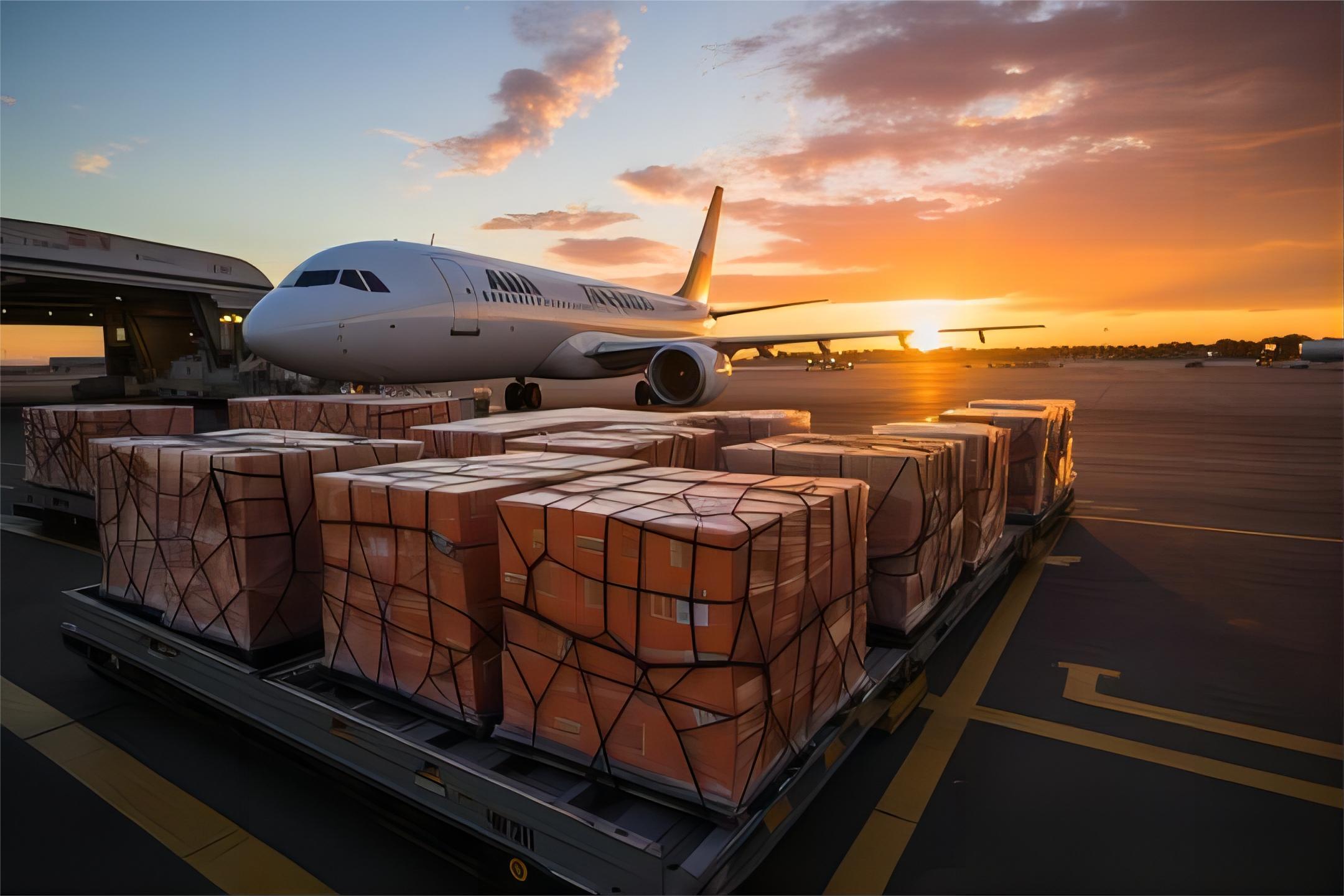
Consider air freight, for example, which is ideal for urgent, high-value, and smaller shipments. Although it is considerably more expensive, the speed can justify the cost for time-sensitive products or rapid market entry. Meanwhile, rail freight offers a middle ground in terms of cost and speed for certain routes.
Additionally, express services provide the fastest door-to-door delivery but at a premium price, typically reserved for very small, critical consignments. Hybrid solutions, such as sea-air combinations, can also be leveraged. These options involve shipping by sea to a transit hub (e.g., Dubai) then by air to the final destination, balancing speed and cost.
| Shipping Method | Cost Range (China-Europe) | Transit Time (China-Europe) | Best For | Limitations |
|---|---|---|---|---|
| Sea Freight (FCL) | $3,000-4,200 (40HQ) | 28-35 days | Large volumes, heavy goods, cost-saving, regular stock | Long transit times, port congestion risks |
| Sea Freight (LCL) | $50-80/CBM | 35-45 days | Smaller volumes (under 15 CBM), less urgent | Longer transit, more handling, higher per-unit cost than FCL |
| Air Freight | $4-8/kg (general cargo) | 3-7 days | Urgent, high-value, small/medium shipments, samples | High cost, weight/volume restrictions |
| Rail Freight | $0.50-1.00/kg | 18-25 days | Medium urgency, cost-effective for central Europe, heavier cargo | Limited routes, less flexible scheduling than sea/air |
| Express Service | $8-15/kg | 2-5 days | Very urgent, small parcels, documents, samples | Highest cost, strict weight/size limits |
Which Shipping Option Should You Choose for Your Jewelry?
Selecting the optimal shipping method for your jewelry depends entirely on your business priorities. If budget is your primary concern and you have ample lead time, sea freight, particularly FCL for larger orders, is the most economical choice. It allows for predictable sea freight rates and substantial savings.
Conversely, if speed is paramount for new collections or urgent restocks, air freight offers the quickest transit. However, this comes with a higher price tag. For a balance between cost and speed, especially for inland European destinations, rail freight can be a viable alternative.
Regarding cargo type, delicate or extremely high-value pieces might benefit from the controlled environment and faster transit of air freight, albeit with robust packaging. For larger quantities of fashion jewelry or less fragile items, sea freight provides efficient volume handling. Ultimately, volume thresholds also dictate choices; LCL is perfect for smaller, regular shipments, while FCL is ideal for consolidating large orders.
Ensuring Security and Insurance for High-Value Jewelry Shipments
Shipping valuable jewelry demands exceptional attention to security and proper insurance coverage. Without a doubt, robust packaging is the first line of defense. This includes using sturdy cartons, internal cushioning, and discreet outer packaging to avoid attracting undue attention to the contents.
Furthermore, comprehensive cargo insurance is not merely an option but a necessity for high-value goods. It provides financial protection against loss, theft, or damage during transit, which can occur despite best efforts. Industry benchmarks suggest insuring for at least 110% of the commercial value.
Moreover, choosing a logistics partner offering secure door-to-door services can add an extra layer of security. This minimizes hand-offs and reduces the risk of incidents at various transfer points. Always inquire about the security measures employed throughout the entire shipping process, from origin warehouse to final delivery.
Real-World Case Studies: Jewelry Shipments from China to Europe
These case studies illustrate practical applications and outcomes for jewelry sea freight from China to Europe, reflecting typical market conditions as of early 2025.
Case Study 1: Fashion Jewelry for a European Retailer
This case involved a mid-sized fashion jewelry brand needing a cost-effective solution for replenishing their European stores. Their primary goal was to minimize shipping costs while maintaining a consistent supply.
| Detail | Description |
|---|---|
| Route | Yiwu, China Hamburg, Germany |
| Cargo | Fashion bracelets and necklaces, 12 CBM, 2,500 kg |
| Container | LCL 12 CBM |
| Shipping Details | |
| – Carrier/Service | Major carrier |
| – Port of Loading | Ningbo |
| – Port of Discharge | Hamburg |
| – Route Type | Transshipment via Singapore |
| Cost Breakdown | |
| – Ocean Freight | $960 (approx. $80/CBM) |
| – Origin Charges | $350 |
| – Destination Charges | $420 |
| – Customs & Duties (estimated) | $550 (based on 5% duty + VAT) |
| – Total Landed Cost | $2,280 |
| Timeline | |
| – Booking to Loading | 5 days |
| – Sea Transit | 32 days |
| – Customs Clearance | 3 days |
| – Total Door-to-Door | 45 days |
| Key Insight | LCL proved highly cost-effective for this volume, despite a slightly longer transit time due to transshipment. Strategic planning allowed for inventory management. |

Case Study 2: High-End Watches for a Boutique Chain
A luxury watch boutique required a secure and relatively quick method for a new collection launch. Speed was a factor, but cost control was also important, making FCL sea freight a calculated choice over air cargo.
| Detail | Description |
|---|---|
| Route | Shenzhen, China Rotterdam, Netherlands |
| Cargo | Luxury watches, 28 CBM, 8,000 kg |
| Container | 20GP FCL |
| Shipping Details | |
| – Carrier/Service | COSCO |
| – Port of Loading | Shenzhen |
| – Port of Discharge | Rotterdam |
| – Route Type | Direct |
| Cost Breakdown | |
| – Ocean Freight | $2,200 |
| – Origin Charges | $480 |
| – Destination Charges | $620 |
| – Customs & Duties (estimated) | $1,800 (based on 4.5% duty + VAT) |
| – Total Landed Cost | $5,100 |
| Timeline | |
| – Booking to Loading | 7 days |
| – Sea Transit | 28 days |
| – Customs Clearance | 2 days |
| – Total Door-to-Door | 39 days |
| Key Insight | Direct FCL offered a good balance of speed and security for high-value items, avoiding the higher costs of air freight while meeting launch deadlines. |
Case Study 3: Custom Fine Jewelry for Wholesale Distribution
This scenario involved a wholesaler importing custom fine jewelry with specific handling requirements. The volume necessitated FCL, and secure handling throughout the shipping from China to Europe route was paramount.
| Detail | Description |
|---|---|
| Route | Shanghai, China Felixstowe, UK |
| Cargo | Gold and diamond rings/pendants, 58 CBM, 15,000 kg |
| Container | 40HQ FCL |
| Shipping Details | |
| – Carrier/Service | Maersk |
| – Port of Loading | Shanghai |
| – Port of Discharge | Felixstowe |
| – Route Type | Direct |
| Cost Breakdown | |
| – Ocean Freight | $3,800 |
| – Origin Charges | $520 |
| – Destination Charges | $700 |
| – Customs & Duties (estimated) | $2,500 (based on 2.5% duty + VAT) |
| – Total Landed Cost | $7,520 |
| Timeline | |
| – Booking to Loading | 6 days |
| – Sea Transit | 30 days |
| – Customs Clearance | 4 days |
| – Total Door-to-Door | 42 days |
| Key Insight | Despite port congestion challenges sometimes affecting Felixstowe, a direct FCL service provided efficient and secure transport for bulk fine jewelry, leveraging robust cargo handling protocols. |
Optimizing Your Supply Chain for Jewelry Imports
Effective supply chain management is crucial for the successful import of jewelry from China to Europe. Strategic planning involves forecasting demand accurately to avoid stockouts or overstocking, which can be costly for high-value items. This proactive approach helps in scheduling shipments efficiently.
Furthermore, strong vendor management in China is key to ensuring product quality and timely dispatch. Regular communication and clear agreements mitigate potential issues before they impact your logistics. Ultimately, leveraging technology for tracking and inventory control can significantly enhance visibility throughout the entire process.
In addition, consider the benefits of an express service for urgent samples or small, high-demand items. For businesses selling online, integrating with services like Amazon FBA in Europe can streamline distribution once the bulk shipment arrives, reducing last-mile delivery complexities and speeding up market access.
Conclusion: Mastering Your Jewelry Sea Freight from China to Europe
Navigating the complexities of jewelry sea freight from China to Europe requires careful consideration of costs, transit times, documentation, and security. By understanding the nuances of different shipping methods and leveraging expert logistics partners, businesses can ensure efficient and secure delivery of their valuable goods.
Indeed, choosing the right strategy, whether FCL or LCL, direct or transshipment, significantly impacts your bottom line and delivery schedule. Always prioritize robust packaging and comprehensive insurance for high-value items. Ultimately, a well-planned approach to jewelry sea freight will contribute to your business’s success in the competitive European market.