

For jewelers and importers, international logistics is a delicate balance between cost, security, and customs compliance. Choosing jewelry sea freight China to USA offers an affordable solution for transporting bulk shipments, especially when air freight is too costly. However, jewelry requires special handling, strict documentation, and careful packaging to avoid delays or losses. This guide explains costs, transit times, customs rules, and the best practices for shipping jewelry safely and efficiently.

What Makes Sea Freight Suitable for Jewelry?
Although jewelry is high-value, many importers still choose sea freight because it provides:
- Lower costs compared to air or courier
- Large-volume capacity for wholesale shipments
- Flexibility for different container sizes
- Door-to-door delivery options when combined with trucking
Moreover, sea freight enables businesses to expand imports without inflating logistics budgets.
How Much Does Jewelry Sea Freight China to USA Cost?
Shipping costs vary depending on container size, cargo type, and Incoterms.
| Shipment Type | Estimated Cost (USD) | Notes |
|---|---|---|
| 20ft FCL | $3,800 – $5,200 | Suitable for medium jewelry shipments |
| 40ft FCL | $6,800 – $8,500 | Economical for bulk jewelry containers |
| LCL (per CBM) | $80 – $120 | Flexible for smaller jewelry loads |
| Insurance (per $10k) | $30 – $60 | Recommended for high-value cargo |
Sea freight is 3–5x cheaper than air freight, but importers must account for insurance, customs duties, and security measures.
What are you waiting for?
Contact chinatopfreight for a fast, free quote.
Are you ready to book?
Access live instant freight quotes
How Long Does Sea Freight Take from China to USA?
Transit time depends on the port of origin and U.S. destination.
| Origin Port (China) | Destination Port (USA) | Transit Time (Sea) |
|---|---|---|
| Shanghai | Los Angeles | 18–22 days |
| Ningbo | New York | 28–35 days |
| Shenzhen | Miami | 30–38 days |
| Qingdao | Houston | 25–30 days |
Why Choose Sea Freight Over Air or Courier for Jewelry?
Sea freight is the most cost-efficient way to transport wholesale jewelry shipments when urgency is not the main concern.
What Documents Are Required for Jewelry Sea Freight?
Jewelry imports face strict compliance requirements in the U.S.
| Document | Purpose |
|---|---|
| Commercial Invoice | Declares jewelry value and buyer details |
| Packing List | Describes shipment contents |
| Bill of Lading (B/L) | Proof of shipping contract |
| Certificate of Origin | Determines applicable duties |
| Importer Security Filing (ISF) | Required for U.S. sea shipments |
| Jewelry Appraisal/Valuation | Confirms declared value for customs |
| Insurance Certificate | Protects against theft or loss |
How Do Customs Duties Impact Jewelry Imports?
U.S. customs duties for jewelry vary based on HS codes, which classify the material:
- Precious metals (gold, silver, platinum): 4–6% average duty
- Gemstones (diamonds, rubies, sapphires): 0–3% depending on category
- Fashion/costume jewelry: 11–13%
Additionally, importers must comply with FTC jewelry labeling requirements and CITES (if shipping coral, ivory, or rare materials).
How to Ensure Security When Shipping Jewelry?
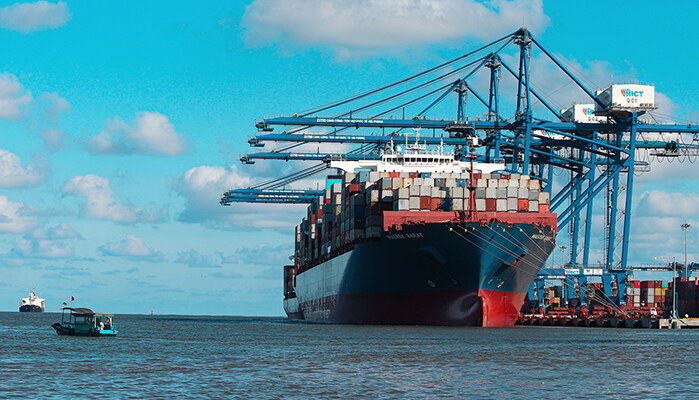
Jewelry shipments are vulnerable to theft. Best practices include:
- Use tamper-proof packaging and unmarked containers
- Arrange marine insurance coverage for full cargo value
- Partner with trusted freight forwarders experienced in handling valuables
- Choose FCL over LCL when possible to reduce theft risks
Should You Ship Jewelry via FCL or LCL?
- FCL (Full Container Load): Offers greater security, recommended for bulk jewelry shipments.
- LCL (Less-than-Container Load): Cheaper for small loads but carries more handling risks.
How Does Insurance Affect Jewelry Freight Costs?
Because jewelry is high-value, insurance is essential. Most insurers charge a small percentage (0.3–0.6%) of the declared value. Although optional, it protects against theft, loss, or damage during transit.
Which U.S. Ports Are Best for Jewelry Imports?
Jewelry importers often use major U.S. gateways with strong security infrastructure:
- Los Angeles / Long Beach – West Coast entry point
- New York / New Jersey – Central hub for jewelry distribution
- Miami – Gateway for Latin American markets
- Houston – Central U.S. distribution center
What Are the Pros and Cons of Sea Freight for Jewelry?
| Pros | Cons |
|---|---|
| Affordable per-unit cost | Long transit times |
| Bulk capacity | Requires strong security |
| Flexible container options | Higher customs scrutiny |
| Door-to-door available | Insurance adds to cost |
How to Choose the Right Freight Forwarder for Jewelry?
When arranging jewelry sea freight China to USA, importers should choose a forwarder with:
- Expertise in handling valuable cargo
- Comprehensive customs knowledge (HS codes, ISF filing)
- Insurance options and security arrangements
- FCL and LCL flexibility
- Real-time tracking solutions
Conclusion
Choosing jewelry sea freight China to USA enables businesses to balance shipping costs with security and compliance. While sea freight is slower than air, it provides affordable bulk capacity, flexible container options, and comprehensive insurance coverage. Moreover, professional freight forwarders ensure secure handling, customs clearance, and real-time tracking. For jewelers and wholesalers, sea freight is a strategic option that reduces expenses while maintaining supply chain reliability.
FAQ
1. Can I ship loose diamonds by sea freight?
Yes, but diamonds require strict customs compliance and insurance coverage. Partner with a forwarder experienced in high-value shipments.
2. What is the cheapest way to ship jewelry from China to USA?
Sea freight is cheapest for bulk jewelry imports. For smaller shipments, LCL or air cargo consolidations may be more cost-effective.
3. Do I need special licenses to import jewelry into the USA?
Some items, like coral or ivory jewelry, require CITES permits. Precious metals and gemstones need standard customs documentation.
4. Can I combine jewelry with other products in one container?
Yes, but FCL is recommended for security. Consolidating with unrelated goods may increase theft risks.
5. How much insurance should I purchase for jewelry shipments?
It’s best to insure 100% of the cargo’s declared value. Insurance premiums are typically 0.3–0.6% of the shipment value.