

Choosing LCL shipping China to Italy is an excellent option for small and medium shipments, especially when importers want flexibility, lower upfront costs, and efficient consolidation. Moreover, LCL (Less than Container Load) provides cost-effective access to ocean freight without paying for a full container while maintaining good delivery performance.

What Is LCL Shipping China to Italy and Why Is It Popular?
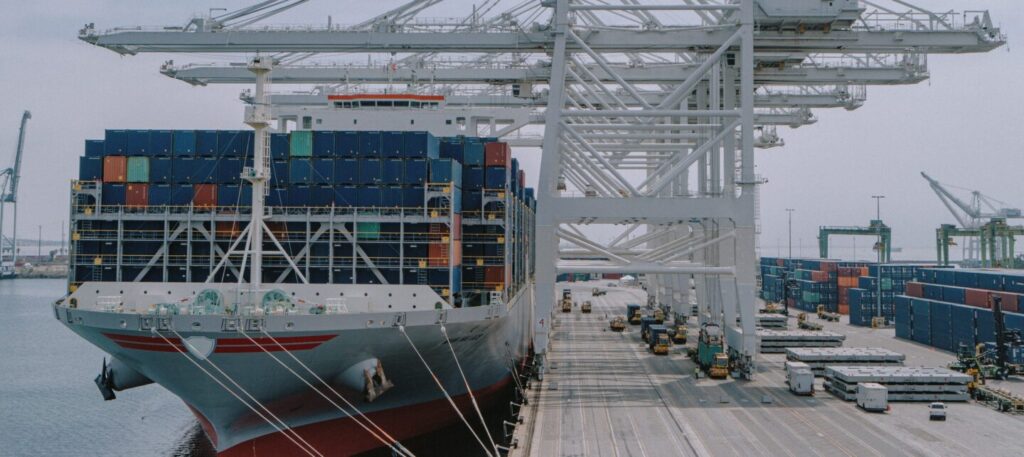
Many businesses prefer LCL shipping China to Italy because it allows them to ship smaller volumes while reducing expenses. Additionally, LCL offers regular sailings, shared container costs, and reliable freight consolidation, making it suitable for electronics, textiles, accessories, consumer goods, and seasonal products.
Key Advantages of LCL Shipping
- Lower cost than FCL for small loads
- Flexible cargo size (1–15 CBM)
- Weekly or biweekly sailings
- Lower storage requirements
- Access to global sea freight networks
How Long Does LCL Shipping Take from China to Italy?
Transit time depends on route, carrier schedule, and customs speed.
| Origin Port | Destination Port | Transit Time |
|---|---|---|
| Shanghai | Genoa | 28–38 days |
| Ningbo | Genoa | 30–40 days |
| Shenzhen | Genoa | 26–35 days |
| Qingdao | Venice | 30–42 days |
| Xiamen | Genoa | 28–36 days |
How Much Does LCL Shipping China to Italy Cost?
LCL pricing includes freight fees, consolidation, handling, customs, and destination charges. Costs vary by port, season, and CBM volume.
| Charge Type | Estimated Cost |
|---|---|
| Freight Cost | $35–$60 per CBM |
| Origin Handling | $25–$45 per CBM |
| Destination Charges | $120–$180 per shipment |
| Customs Clearance (IT) | $50–$120 |
| Delivery to Final Address | Depends on location |
Additionally, peak seasons such as pre-Christmas months may raise rates.
What are you waiting for?
Contact chinatopfreight for a fast, free quote.
Are you ready to book?
Access live instant freight quotes
What Are the Key Steps in LCL Shipping China to Italy?
A structured workflow ensures smooth shipping and faster customs clearance.
Step-by-Step LCL Shipping Process
- Supplier prepares goods and packs cartons.
- Freight forwarder books LCL space.
- Cargo transported to warehouse (CFS).
- Consolidation with other shipments.
- Container loaded and sealed.
- Departure from China port.
- Arrival at Italy port.
- Deconsolidation at destination CFS.
- Customs clearance.
- Final delivery to warehouse.
Additionally, choosing reliable carriers helps reduce deconsolidation delays.
What Goods Are Suitable for LCL Shipping from China to Italy?
LCL works best for goods that do not require a full container.
Best Suited Product Categories
- Electronics and components
- Footwear and garments
- Household items
- Small machinery
- Toys, gifts, and accessories
- Office supplies
- Beauty and personal care products
Temperature-sensitive or oversized items may require special arrangements.
What Documents Are Needed for LCL Shipping China to Italy?
Accurate documentation ensures smooth customs clearance and avoids delays.
| Document | Purpose |
|---|---|
| Commercial Invoice | Declares product value |
| Packing List | Lists carton details |
| Bill of Lading | Proof of transport |
| Export Declaration | China Customs requirement |
| HS Code Classification | Determines duties |
| Certificate of Origin | Duty reduction programs |
| Product Certificates | CE, RoHS, testing reports |
How Does Customs Clearance Work for LCL Shipments in Italy?

Italy enforces EU-wide import regulations requiring correct customs documentation.
Key Requirements
- Declare correct HS codes
- Provide commercial invoice and packing list
- Submit Bill of Lading
- Pay import duties and VAT
- Goods inspection (random or flagged)
Additionally, incorrect values or misclassified products can trigger customs holds.
How Does LCL Compare to FCL and Air Freight for China–Italy Shipments?
| Method | Pros | Cons | Best For |
|---|---|---|---|
| LCL | Cost-effective for small loads | More handling | 1–15 CBM |
| FCL | Secure, predictable, stable cost | Full container fee | 15+ CBM |
| Air Freight | Fastest delivery | Expensive | Urgent cargo |
How to Reduce Costs for LCL Shipping China to Italy
Importers can optimize costs by planning ahead and consolidating efficiently.
Cost Reduction Strategies
- Ship early to avoid seasonal rate spikes
- Maximize carton density for cheaper CBM usage
- Consolidate multiple suppliers’ goods
- Choose major ports for lower trucking costs
- Verify HS codes to avoid duty disputes
These strategies ensure long-term freight savings.
How to Prevent Delays in LCL Shipping From China to Italy?
Delays often occur from missing documents, poor packaging, or customs mismatches.
Delay-Prevention Tips
- Confirm supplier packaging meets CFS standards
- Submit documents before cargo cutoff
- Use sturdy cartons to avoid warehouse rework
- Double-check invoice accuracy
- Maintain clear communication with freight partners
Moreover, avoiding peak periods helps ensure smoother processing.
Conclusion
In conclusion, LCL shipping china to italy offers a flexible, economical, and scalable solution for small and medium-sized shipments. When importers choose proper packaging, accurate documentation, and reliable freight partners, they reduce delays and optimize shipping costs. Moreover, strategic consolidation and early booking help businesses maintain a stable supply chain while benefiting from predictable transit schedules and smooth customs clearance.
FAQ
1. What volume is ideal for choosing LCL instead of FCL?
LCL is ideal for shipments under 12–15 CBM because it offers lower upfront cost, shared space, and flexible cargo handling without paying for a full container.
2. How early should I book LCL shipping from China to Italy?
Booking 1–2 weeks in advance ensures consolidation space, avoids last-minute fees, and allows smooth document preparation for China export and Italy customs entry.
3. Are LCL shipments more prone to damage?
LCL involves more handling, but proper packaging, palletizing, and correct stacking methods significantly reduce damage risk during loading, consolidation, and deconsolidation.
4. What duties apply to LCL shipments entering Italy?
Duties depend on HS code classification and product value. Importers must also pay VAT, and incorrect classification can lead to delays or customs inspection.
5. Can multiple suppliers’ goods be combined in one LCL shipment?
Yes. Freight forwarders can consolidate multiple suppliers’ cargo into a single shipment, although it requires proper documentation and coordinated delivery to the CFS.