

Choosing the right logistics service China to Germany is vital for importers seeking speed, cost-efficiency, and reliability. Whether shipping industrial machinery, eCommerce goods, or electronics, professional logistics providers ensure your cargo reaches Germany smoothly through air, rail, or sea freight. With integrated supply chain solutions, transparent costs, and full customs compliance, you can manage international trade without delays or extra stress.

1. Why Choose a Professional Logistics Service from China to Germany?
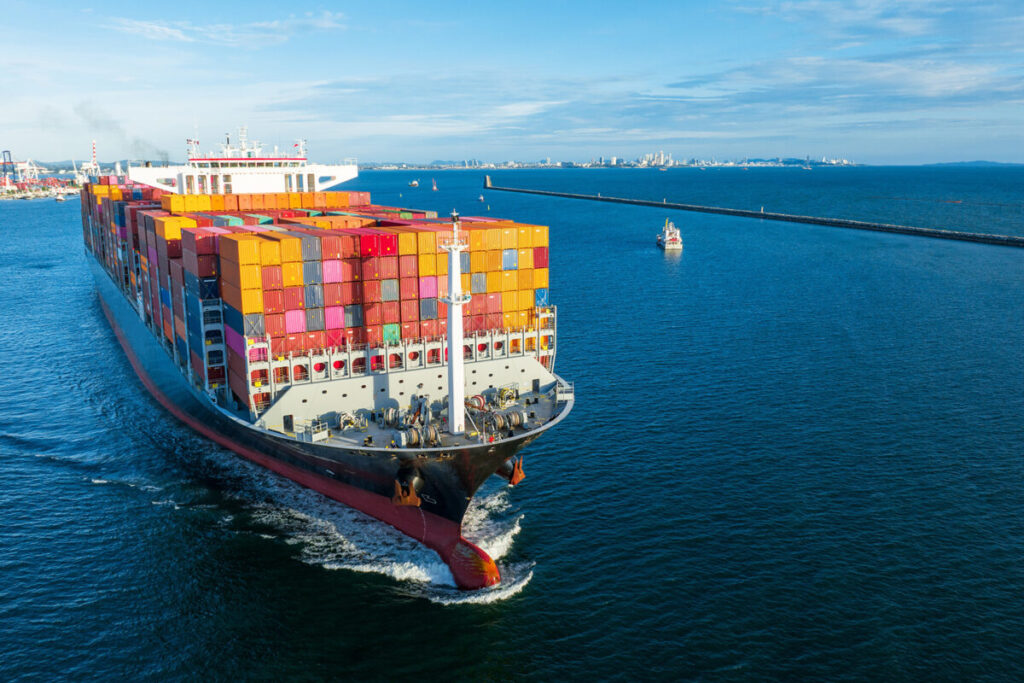
Shipping from China to Germany involves multiple steps—transport mode selection, documentation, customs clearance, and final delivery. A professional logistics provider manages every stage, saving you time and money.
Key benefits include:
- Cost optimization through volume discounts.
- Hassle-free customs declaration and duty management.
- Tracking visibility from pickup to delivery.
- Flexible door-to-door or port-to-port options.
Moreover, Germany’s position as Europe’s logistics hub makes it a top destination for Chinese exports, linking seamlessly to EU markets like France, Belgium, and the Netherlands.
2. What Are the Main Shipping Methods from China to Germany?
Each shipping mode serves different needs depending on cargo size, urgency, and budget.
| Shipping Method | Transit Time | Cost Range | Best For | Advantages | Disadvantages |
|---|---|---|---|---|---|
| Air Freight | 5–9 days | $$$ | Urgent or high-value goods | Fastest option | Expensive |
| Rail Freight | 18–22 days | $$ | Medium-volume cargo | Balance between cost & time | Limited routes |
| Sea Freight | 30–40 days | $ | Bulk or heavy shipments | Lowest cost per CBM | Long transit |
| Express Courier | 3–6 days | $$$$ | Small packages or samples | Door-to-door service | Costly for large goods |
3. How Long Does Shipping from China to Germany Take?
Transit time depends on your chosen transport mode, origin, and destination.
| Route | Mode | Transit Time (Days) | Details |
|---|---|---|---|
| Shanghai → Hamburg | Sea Freight | 30–35 | Common route for FCL shipments |
| Shenzhen → Bremen | Sea Freight | 32–38 | Ideal for electronics & apparel |
| Xi’an → Duisburg | Rail Freight | 18–22 | Belt & Road rail corridor |
| Chengdu → Munich | Rail Freight | 19–23 | Reliable for LCL loads |
| Guangzhou → Frankfurt | Air Freight | 6–8 | Fastest option for time-critical cargo |
| Ningbo → Hamburg | Sea Freight | 33–40 | Cost-effective for bulk cargo |
Therefore, sea freight remains ideal for cost-conscious importers, while rail freight offers a faster and eco-friendly alternative.
4. What Are the Shipping Costs from China to Germany?
Shipping costs fluctuate based on cargo type, dimensions, and market demand.
| Shipment Type | Estimated Cost (USD) | Mode |
|---|---|---|
| 1 CBM (LCL) | $120 – $180 | Sea Freight |
| 20ft Container | $2,800 – $3,500 | Sea Freight |
| 40ft Container | $4,800 – $5,800 | Sea Freight |
| 100 KG | $400 – $600 | Air Freight |
| 1 CBM | $350 – $450 | Rail Freight |
| 1 KG | $6 – $9 | Express Delivery |
Cost influencers:
- Fuel and seasonal surcharges.
- Customs duties and VAT.
- Cargo insurance and warehouse fees.
Getting a custom quote from your logistics provider ensures transparency and accurate pricing.
Are you ready to book?
Access live instant freight quotes
5. What Are the Main Ports and Hubs for China–Germany Logistics?
Efficient trade between China and Germany relies on world-class ports, rail terminals, and airports.
| China Hubs | Germany Hubs | Mode |
|---|---|---|
| Shanghai Port | Hamburg Port | Sea Freight |
| Shenzhen (Yantian) | Bremen Port | Sea Freight |
| Xi’an Rail Terminal | Duisburg Terminal | Rail Freight |
| Chengdu Rail Hub | Munich Terminal | Rail Freight |
| Guangzhou Baiyun Airport | Frankfurt Airport | Air Freight |
6. What Customs Documents Are Required for Shipping to Germany?
Customs compliance is critical to avoid delays or penalties.
| Document | Purpose |
|---|---|
| Commercial Invoice | Declares product details and value |
| Packing List | Lists shipment contents |
| Bill of Lading / Air Waybill | Contract of carriage |
| Certificate of Origin | Proves country of manufacture |
| Import License (if required) | For restricted products |
| Customs Declaration Form | Required by German customs |
| CE Marking Certificate | Confirms EU safety compliance |
Moreover, importers must hold a valid EORI number (Economic Operator Registration and Identification) to clear goods through EU customs.
7. How Are Customs Duties and Taxes Calculated in Germany?
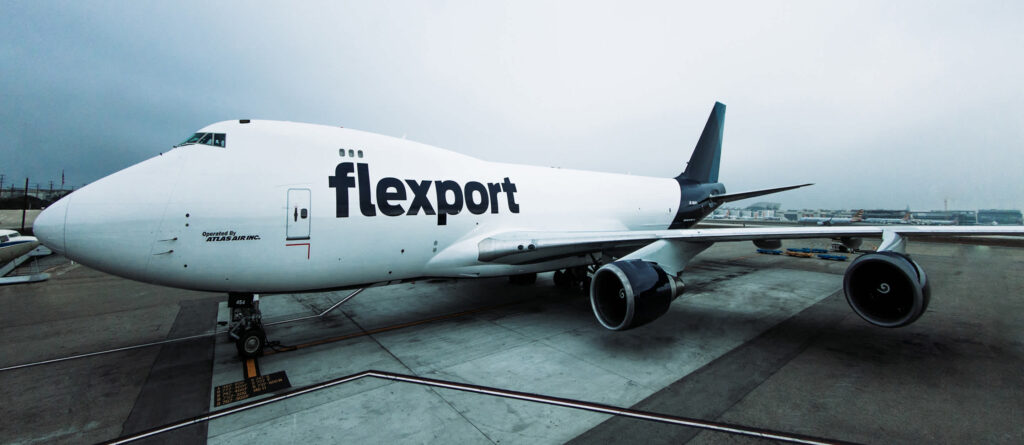
Germany, as part of the European Union, applies standard EU import regulations.
| Charge Type | Rate (%) | Applied On |
|---|---|---|
| Customs Duty | 0–17 | CIF value (Cost + Insurance + Freight) |
| VAT | 19 (standard) / 7 (reduced) | Product value + Duty |
| Excise Tax | Variable | Alcohol, fuel, or tobacco |
Therefore, accurate HS Code classification is essential for proper tariff application. A reliable logistics service provider ensures all duties are correctly assessed and paid.
8. What Goods Are Commonly Shipped from China to Germany?
China exports a wide variety of products to Germany.
Top shipped categories:
- Electronics and computer components.
- Automotive and mechanical parts.
- Furniture, textiles, and apparel.
- Medical devices and healthcare products.
- Renewable energy equipment (solar panels, batteries).
- Household appliances and lighting.
Moreover, logistics companies specialize in handling both general cargo and special cargo (hazardous, temperature-sensitive, oversized).
9. How to Choose the Right Logistics Service Provider from China to Germany?
When selecting a logistics company, consider these factors:
- Experience: Proven record in China–EU trade routes.
- Service Coverage: Air, sea, rail, and express options.
- Customs Expertise: In-depth knowledge of EU import laws.
- Transparency: Clear pricing and shipment tracking.
- Warehousing & Distribution: Value-added storage and delivery options.
Therefore, partnering with a logistics expert ensures timely, compliant, and cost-efficient delivery across the entire supply chain.
10. How Does Door-to-Door Logistics Service Work?
Door-to-door logistics ensures seamless delivery from supplier to destination.
Step-by-Step Process:
- Cargo Pickup – Supplier goods collected from factory or warehouse.
- Export Clearance – Chinese authorities approve shipment.
- International Transport – Goods move via air, rail, or sea.
- Import Customs Clearance – German customs verify documentation.
- Delivery to Final Destination – Cargo delivered to warehouse, Amazon FBA, or retailer.
This service is ideal for businesses wanting complete end-to-end management without handling multiple vendors.
Conclusion
In summary, choosing a reliable logistics service China to Germany ensures fast, compliant, and cost-effective trade operations. With multiple shipping modes—air, rail, and sea—importers can optimize delivery speed, reduce costs, and maintain supply chain efficiency.
Partnering with experts like ChinaTopFreight gives you full visibility, professional customs support, and secure door-to-door transportation from factory to destination—making global trade simpler and more profitable.
FAQ
1. How long does logistics service from China to Germany take?
Depending on mode: air (5–9 days), rail (18–22 days), or sea freight (30–40 days).
2. How much does shipping from China to Germany cost?
Costs vary—$120/CBM by sea, $350/CBM by rail, or $5–$7/kg by air freight.
3. What documents are needed for customs clearance?
A commercial invoice, packing list, bill of lading, certificate of origin, and CE certificate (if applicable).
4. Can I ship door-to-door from China to Germany?
Yes, most providers offer DDP door-to-door service covering customs, taxes, and delivery to your warehouse.
5. Is rail freight reliable between China and Germany?
Absolutely. The Belt and Road rail network ensures consistent schedules and shorter transit than sea shipping.