

Managing logistics service China to Singapore is essential for businesses that want fast delivery, predictable costs, and smooth customs clearance. However, many importers face challenges such as fluctuating freight rates, tight delivery schedules, and complex compliance requirements. Therefore, this complete guide explains the best logistics options, shipping times, customs documents, pricing, routes, and strategies to optimize your supply chain efficiently.

1. What Is the Best Logistics Service China to Singapore for Your Business?
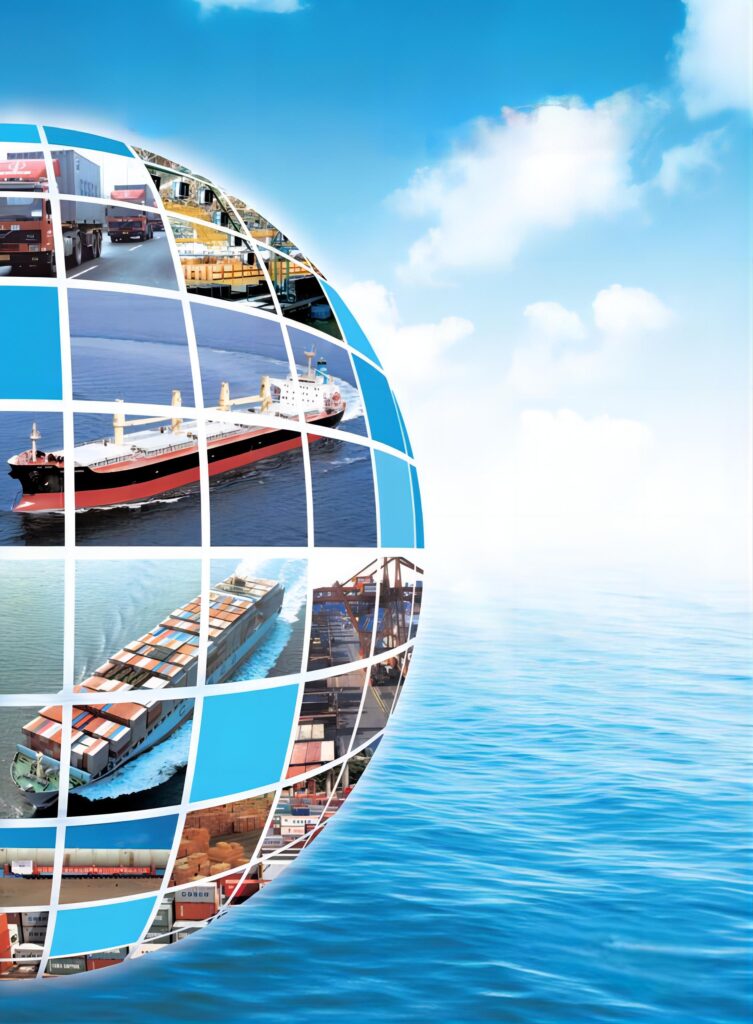
Choosing the right logistics solution depends on your cargo size, urgency, and budget. Whether you are shipping electronics, textiles, machinery, consumer goods, or eCommerce parcels, selecting the optimal method greatly affects cost and delivery speed.
| Method | Transit Time | Cost Level | Best For | Pros | Cons |
|---|---|---|---|---|---|
| Express Courier | 2–5 days | High | Small parcels | Fastest, door-to-door | Most expensive |
| Air Freight | 3–7 days | Medium–High | Urgent shipments | Reliable & quick | Costly for heavy cargo |
| Sea Freight LCL | 7–12 days | Low | 2–12 CBM | Affordable & flexible | Slower than air |
| Sea Freight FCL | 5–8 days | Lowest per CBM | Large shipments | Best for bulk | Requires full container |
| Rail Freight | Not applicable | — | — | — | — |
2. How Does the China–Singapore Supply Chain Operate?
Due to the strong trade relationship between China and Singapore, shipping routes between the two countries are stable and frequent. Moreover, major Chinese export hubs are well connected to Singapore’s ports and airports.
Main China Export Locations
- Shenzhen
- Guangzhou
- Shanghai
- Ningbo
- Qingdao
- Yiwu
Main Delivery Points in Singapore
- Jurong Port
- Pasir Panjang Terminal
- PSA Singapore
- Changi Air Cargo Terminal
Singapore’s excellent infrastructure ensures efficient last-mile delivery across the island.
3. What Documents Are Required for Logistics Service China to Singapore?
Proper documentation ensures fast customs clearance and avoids unnecessary delays or penalties.
| Document | Purpose |
|---|---|
| Commercial Invoice | Declares goods and value |
| Packing List | Shows packaging details |
| Bill of Lading / Air Waybill | Transport document |
| Certificate of Origin | Required for tariff benefits |
| HS Codes | Determines tariffs & tax rates |
| Import Permit (if needed) | For restricted goods |
| Product Certificates | For food, electronics, cosmetics |
Providing accurate details reduces clearance time and avoids inspections.
What are you waiting for?
Contact chinatopfreight for a fast, free quote.
Are you ready to book?
Access live instant freight quotes
4. How Much Does Logistics Service China to Singapore Cost?
Shipping costs are influenced by method, weight, cargo dimensions, and peak-season surcharges.
| Method | Price Range |
|---|---|
| Express Courier | $5–$10 per kg |
| Air Freight | $2.80–$6 per kg |
| Sea Freight LCL | $30–$80 per CBM |
| FCL 20ft | $400–$850 |
| FCL 40ft | $650–$1,200 |
These prices vary depending on the shipping season and manufacturer location.
5. How Long Does Shipping Take From China to Singapore?
Transit times vary based on method and origin city.
| Origin | Sea FCL | Sea LCL | Air Freight | Express Courier |
|---|---|---|---|---|
| Shenzhen | 5–7 days | 7–10 days | 3–5 days | 2–4 days |
| Yiwu | 6–8 days | 8–12 days | 3–6 days | 2–5 days |
| Shanghai | 6–8 days | 7–12 days | 3–5 days | 2–4 days |
| Guangzhou | 5–7 days | 7–10 days | 3–5 days | 2–4 days |
6. Why Is Sea Freight the Most Popular Option for China–Singapore Shipping?
Sea freight offers unparalleled cost efficiency, especially for bulky or heavy shipments.
Advantages of Sea Freight
- Lowest cost per CBM
- High vessel frequency
- Stable schedules
- Flexible container types (reefer, flat rack, open top)
When to Choose Sea Freight
- Shipments above 2 CBM
- Non-urgent deliveries
- Heavy or bulky cargo
Additionally, regular sailing schedules make planning easier.
7. Why Choose Air Freight for Time-Sensitive Cargo to Singapore?
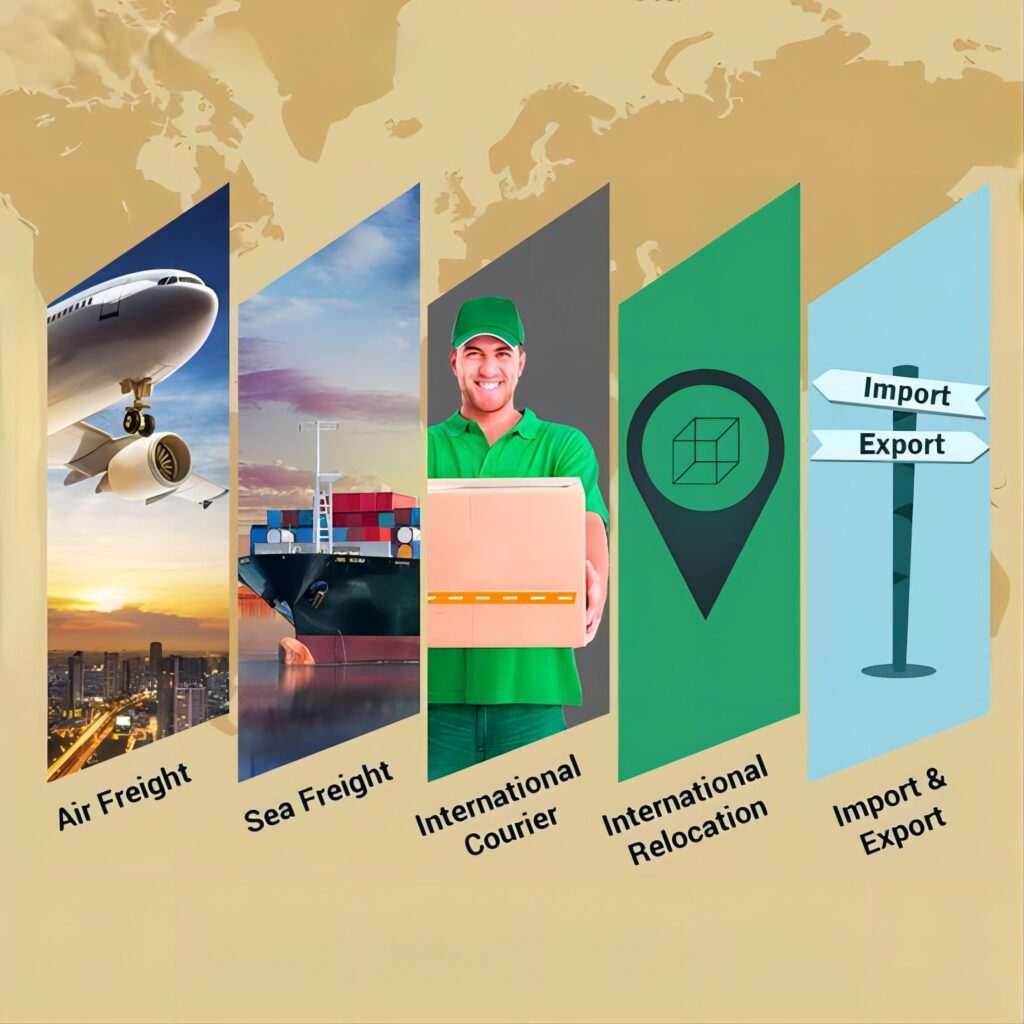
Air freight is ideal for urgent goods or high-value items.
Benefits of Air Freight
- Highest reliability
- Short transit time
- Reduced risk of damage
- Suitable for electronics and perishables
Limitations
- Higher cost per kg
- Strict size and weight restrictions
Nevertheless, it ensures goods reach Singapore quickly and safely.
8. What Are the Pros and Cons of Air vs Sea vs Express Shipping?
| Method | Pros | Cons |
|---|---|---|
| Air Freight | Fast & reliable | High cost |
| Sea Freight | Low cost | Slower |
| Express Courier | Fastest & simple | Expensive for heavy cargo |
9. How Does Customs Clearance Work in Singapore?
Singapore’s customs system is known for efficiency. However, compliance is essential.
Key Requirements
- Accurate HS codes
- Correct declared value
- Proper product documentation
- Packing compliance
- Import permit for restricted goods
Common Restricted Goods
- Chemicals
- Batteries
- Medical products
- Food & supplements
Therefore, verify compliance before shipping.
10. What Are the Common Challenges When Using Logistics Service China to Singapore?
Even with stable routes, some challenges persist.
Typical Issues
- Peak-season delays
- Incorrect HS codes
- Supplier packaging errors
- Incomplete documentation
- Port congestion
How to Avoid Problems
- Start planning early
- Use professional freight forwarders
- Confirm packaging requirements
- Verify shipment information with suppliers
Additionally, maintaining strong communication prevents misunderstandings.
Conclusion
Choosing the right logistics service China to Singapore ensures smoother customs processing, faster deliveries, and more predictable supply chain performance. By understanding shipping options, preparing proper documents, and selecting reliable logistics partners, businesses can significantly reduce delays and costs. Moreover, optimizing packaging, consolidating cargo, and planning ahead keeps operations efficient throughout the year. If you want faster, safer, and more affordable logistics, consider partnering with an experienced freight forwarder for complete end-to-end support.
FAQ
1. What is the fastest way to ship goods from China to Singapore?
Express courier services such as DHL, FedEx, and UPS typically deliver parcels within 2–5 days, making them the fastest option for urgent or high-value shipments.
2. Do I need an import permit to bring goods into Singapore?
Some products, such as chemicals, cosmetics, medicines, and electronics, require permits. Always confirm requirements with customs or your freight forwarder.
3. How do I choose between air freight and sea freight?
Choose air for urgent, lightweight cargo. Choose sea freight for large, heavy, or non-urgent shipments that require a more economical logistics solution.
4. What are the most common causes of customs delays?
Incorrect HS codes, incomplete documents, under-declared values, and restricted products often trigger inspections that slow down clearance and delivery.
5. Is door-to-door shipping available from China to Singapore?
Yes. Many logistics providers offer door-to-door or DDP services that include pickup, export clearance, international transport, customs, and final delivery.