

Managing cross-border supply chains is increasingly complex, especially for importers moving goods between Asia and Europe. When choosing a logistics service China to Spain, businesses often face challenges such as fluctuating freight rates, customs documentation, long transit times, and complex EU regulations. However, with the right logistics partner and a deep understanding of available services, importers can ensure stable delivery schedules, reduced costs, and an efficient supply chain.

1. What Is Included in a Complete Logistics Service China to Spain?
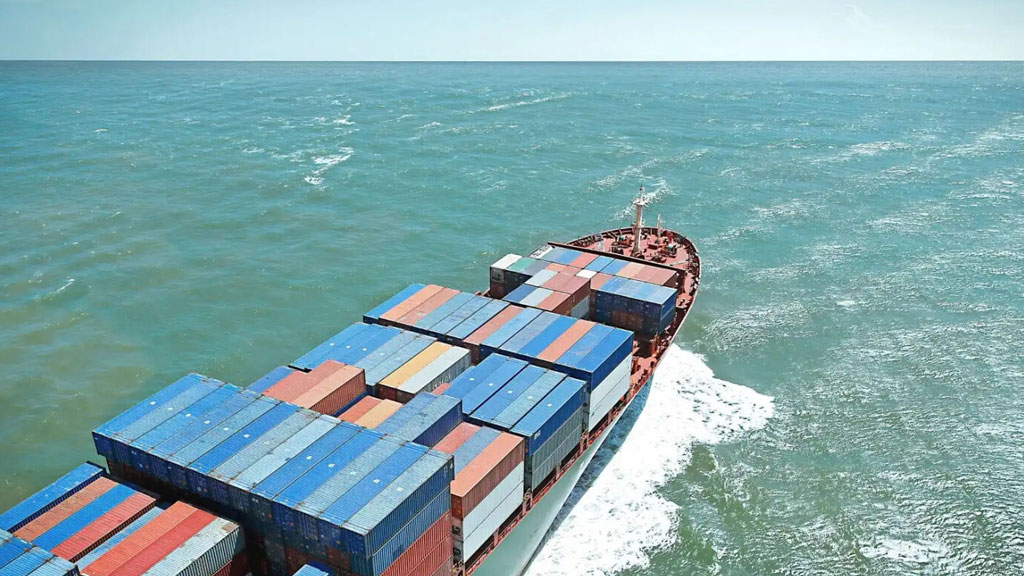
End-to-end logistics solutions cover every step required to move cargo from Chinese manufacturers to Spanish warehouses or distribution centers. Moreover, these services help businesses reduce risk and streamline operations.
Typical Logistics Services Include
- Factory pickup and consolidation
- Export clearance in China
- Air, sea, rail, or express freight to Spain
- Import customs clearance under EU rules
- Duty and VAT assessment
- Last-mile delivery across Spain
- Warehousing and distribution options
- Cargo insurance and supply chain support
Additionally, Spain’s strong connectivity to France, Portugal, and the rest of Europe makes it a strategic import destination.
2. What Shipping Methods Are Available for Logistics Service China to Spain?
Importers can choose from several transport modes depending on cargo type, urgency, and budget. Each method offers unique advantages.
| Shipping Method | Cost Range | Transit Time | Best For | Pros | Cons |
|---|---|---|---|---|---|
| Air Freight | $4–$9/kg | 5–9 days | Urgent freight | Fast, reliable | Higher cost |
| Express Courier (DHL/UPS) | $6–$14/kg | 3–6 days | Small urgent goods | Fastest delivery | Expensive for heavy cargo |
| Sea Freight LCL | $50–$120/CBM | 25–40 days | Small–medium cargo | Affordable | Longer handling |
| Sea Freight FCL | $2,000–$4,200 | 24–35 days | Bulk cargo | Lowest cost/unit | Longer transit |
| Rail Freight | $3–$6/kg | 18–25 days | Faster than sea | Balanced cost/time | Limited availability |
3. What Are the Typical Costs for Logistics Service China to Spain?
Freight costs vary based on transport mode, cargo weight, shipping season, and final destination within Spain. Nevertheless, importers can use the following ranges as a reference.
| Cargo Type | Estimated Price | Notes |
|---|---|---|
| LCL (per CBM) | $50–$120 | Best for low-volume shipments |
| 20GP Container | $2,000–$3,200 | Suitable for bulk cargo |
| 40GP Container | $3,000–$4,200 | Most cost-efficient |
| Air Freight | $4–$9/kg | Fast replenishment |
| Express | $6–$14/kg | Ideal for small parcels |
Additionally, inland trucking from Spanish ports to Madrid, Barcelona, Valencia, or Seville adds €80–€350 depending on distance.
What are you waiting for?
Contact chinatopfreight for a fast, free quote.
Are you ready to book?
Access live instant freight quotes
4. What Is the Transit Time for Logistics Service China to Spain?
Transit time depends on transport mode, port of entry, and customs queue. However, China–Spain routes are generally stable year-round.
| China Port | Spain Destination | Sea Freight | Air Freight | Rail Freight |
|---|---|---|---|---|
| Shenzhen | Madrid | 25–33 days | 5–8 days | 18–22 days |
| Ningbo | Barcelona | 28–38 days | 6–10 days | 20–25 days |
| Shanghai | Valencia | 26–35 days | 5–9 days | 19–24 days |
| Qingdao | Zaragoza | 30–40 days | 6–10 days | 21–26 days |
5. What Documents Are Required for Importing Goods from China to Spain?
Correct documentation is essential for smooth EU customs clearance. Inaccurate documents frequently cause delays.
| Document | Purpose | Required For |
|---|---|---|
| Commercial Invoice | Declares goods & value | All shipments |
| Packing List | Details carton quantities | All shipments |
| Bill of Lading / Air Waybill | Transport proof | Sea/Air |
| Certificate of Origin | Determines duty | Optional |
| EORI Number | EU importer identification | Mandatory |
| HS Code Classification | Duty calculation | All imports |
| CE/EN Certification | EU compliance | Electronics, toys |
| MSDS | Chemical & battery safety | Special cargo |
6. How Do Customs Work for Logistics Service China to Spain?
Spain’s customs procedures follow EU standards, which means that once goods clear in Spain, they can move freely across other EU countries.
EU Customs Clearance Steps
- Submit import declaration
- Validate EORI number
- Verify HS codes
- Duty & VAT assessment
- Physical inspection (if required)
- Goods released into free circulation
Additionally, Spain applies a 21% VAT rate on most imported products.
7. Why Is HS Code Accuracy Important?
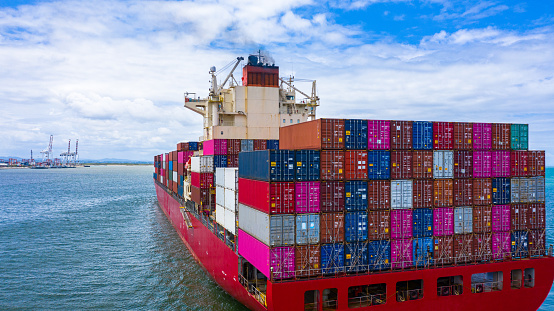
The HS code determines:
- Duty percentage
- VAT calculation
- Required certifications
- Import restrictions
- Inspection risk
Moreover, incorrect HS codes may result in penalties or shipment delays.
8. What Product Categories Are Commonly Shipped from China to Spain?
China supplies a large variety of goods to Spain. Nevertheless, some categories require special compliance.
Popular Imported Goods
- Electronics and phone accessories
- Clothing, shoes, textiles
- Furniture and home goods
- Automotive parts
- Toys and baby products
- Household appliances
- Beauty & cosmetic products
- Industrial components
Additionally, products with batteries or chemicals require proper labeling and MSDS documentation.
9. What Are the Pros and Cons of Each Shipping Mode?
| Mode | Pros | Cons |
|---|---|---|
| Air Freight | Fast and stable | Higher cost |
| Sea LCL | Cost-effective | Longer handling |
| Sea FCL | Best for high volume | Fixed container cost |
| Rail Freight | Faster than sea | Limited space |
| Express | Door-to-door speed | Expensive for heavy cargo |
Moreover, peak-season congestion can affect both sea and air routes.
10. How Can You Reduce Logistics Costs from China to Spain?
Cost control is essential for maintaining healthy profit margins.
Effective Cost-Saving Strategies
- Consolidate shipments to lower LCL rates
- Use FCL once volume exceeds 20 CBM
- Choose rail as a middle-cost, mid-speed option
- Optimize packaging to reduce volumetric weight
- Ship during non-peak seasons
- Avoid last-minute express shipments
- Work with a professional freight forwarder
Additionally, early planning helps avoid emergency air freight costs.
Conclusion
Choosing the right logistics service China to Spain is essential for maintaining a smooth, efficient supply chain. However, by understanding shipping methods, preparing correct customs documents, optimizing costs, and selecting a reliable logistics partner, importers can minimize delays and improve overall delivery performance. Whether using air, sea, rail, or express freight, proper planning ensures consistent, cost-effective transportation of goods between China and Spain.
FAQ
1. Do I need an EORI number to import goods into Spain?
Yes. An EORI number is mandatory for all EU imports. It helps customs identify your company and ensures legal clearance for shipments entering Spain.
2. Are CE certifications required for products shipped to Spain?
Yes for electronics, toys, and machinery. Products needing CE marking must include documentation proving compliance before entering Spanish customs.
3. How long does customs clearance usually take in Spain?
Most shipments clear within 1–3 days. However, inspections, document mismatches, or missing HS codes may extend processing time.
4. Can I ship goods directly to Amazon Spain warehouses?
Yes. Many logistics providers offer direct-to-Amazon delivery, ensuring packaging, labeling, and appointment scheduling meet Amazon’s requirements.
5. How early should I ship during peak seasons?
Shipping 2–4 weeks earlier is recommended during Golden Week, Christmas, and Chinese New Year to avoid delays and higher freight rates.