

Managing machinery shipping China to Europe can be challenging due to heavy cargo requirements, strict customs rules, and complex logistics planning. However, when businesses choose the right method and documentation process, machinery moves efficiently, safely, and on schedule.

What Is the Best Way to Handle Machinery Shipping China to Europe?
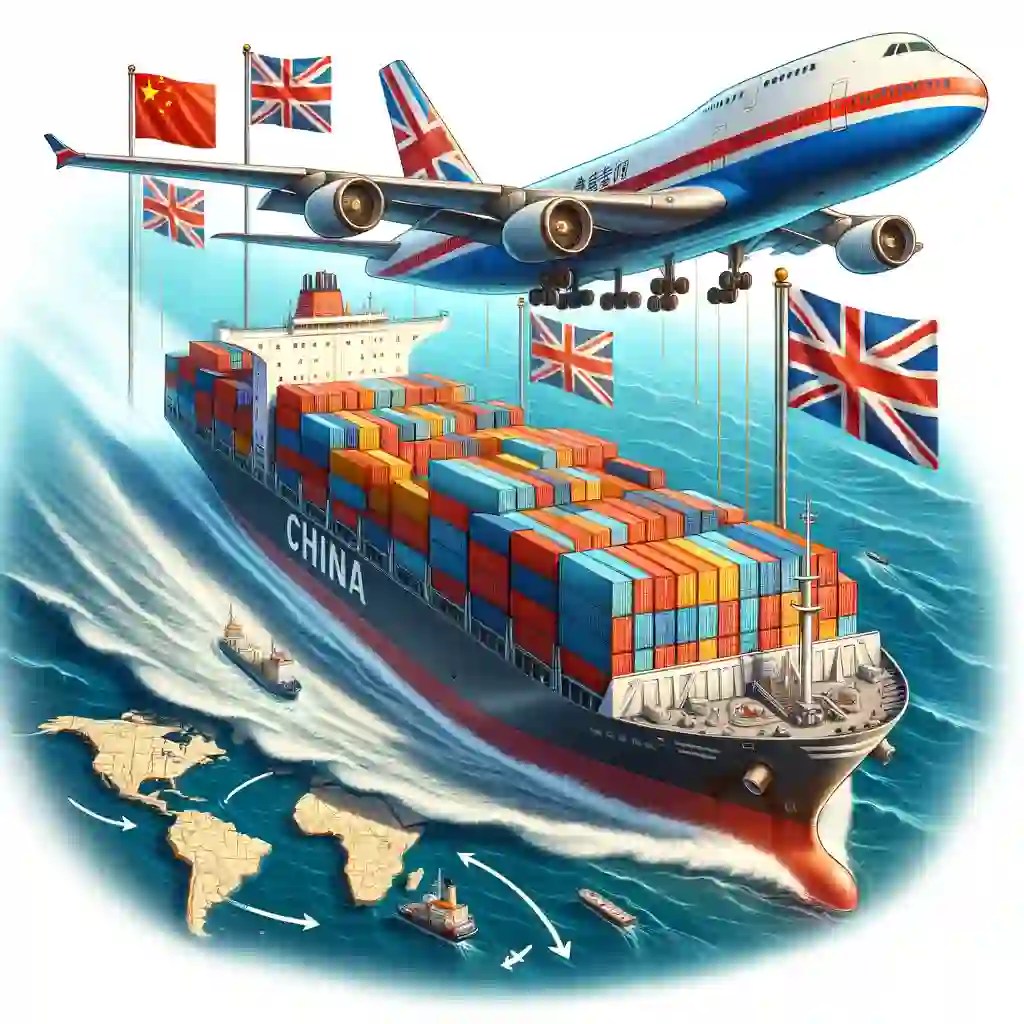
Choosing the best strategy for machinery shipping China to Europe requires understanding weight, dimensions, cargo type, and delivery deadlines. Moreover, heavy machinery demands reinforced packing, professional loading, and exact transport planning to avoid delays and excessive freight costs.
Below is a comparison of the most reliable shipping options:
| Shipping Method | Transit Time | Cost Level | Ideal For | Pros | Cons |
|---|---|---|---|---|---|
| Sea Freight (FCL) | 30–40 days | Low | Heavy/oversized machinery | Cheapest option, stable capacity | Slowest |
| Sea Freight (LCL) | 35–45 days | Low–Medium | Small machinery | Cost-sharing for small volumes | More handling risk |
| Rail Freight | 18–25 days | Medium | Mid-size equipment | Faster than sea, predictable | Not suitable for oversized loads |
| Air Freight | 3–7 days | High | Urgent or high-value parts | Fastest, safest | Expensive, weight limits |
How Much Does Machinery Shipping from China to Europe Cost?
Shipping costs vary significantly depending on route, cargo size, and freight method. Additionally, insurance, customs clearance fees, packing services, and special handling all influence the final cost.
| Cargo Type | Method | Estimated Cost (USD) |
|---|---|---|
| 1 CBM machinery parts | Air Freight | $8–$12/kg |
| 5–10 CBM | Rail Freight | $1,200–$2,400 |
| 20’ Container | Sea Freight | $1,500–$2,800 |
| 40’ Container | Sea Freight | $2,400–$4,500 |
Prices fluctuate due to fuel rates, delivery schedules, peak seasons, and supply-chain trends.
Are you ready to book?
Access live instant freight quotes
Why Do Importers Prefer Sea Freight for Machinery Shipping China to Europe?
Sea freight remains the most cost-effective method for transporting heavy industrial machinery. Additionally, its flexible container types allow importers to ship oversized, tall, or irregularly shaped equipment.
Common Machinery Shipped to Europe
- CNC machines
- Packaging machinery
- Industrial production lines
- Metalworking equipment
- Agricultural machinery
- Construction equipment
These items often require special lashing, wooden crates, and reinforced pallets to avoid damage.
What Documents Are Required for Machinery Shipping from China to Europe?
Because machinery falls under strict EU compliance regulations, importers must prepare accurate documentation. Missing paperwork can delay customs clearance or create compliance fines.
| Document | Importance |
|---|---|
| Commercial Invoice | Declares value for taxation |
| Packing List | Lists weight, size, volume |
| Bill of Lading/Air Waybill | Transport contract |
| CE Certificate | Confirms EU compliance |
| HS Code | Determines duties and classification |
| Import License (if needed) | Required for restricted machinery |
| Declaration of Conformity | Confirms manufacturing standards |
How Long Does Machinery Shipping China to Europe Take?
Transit time depends on shipping method, port congestion, inland delivery, and customs processing. However, machinery often requires inspection or compliance reviews, which may extend your schedule.
| Destination | Sea Freight | Rail Freight | Air Freight |
|---|---|---|---|
| Germany | 30–38 days | 15–20 days | 3–6 days |
| Italy | 30–40 days | 18–24 days | 4–7 days |
| Netherlands | 28–36 days | 16–22 days | 3–6 days |
| France | 30–40 days | 18–25 days | 3–6 days |
| Spain | 32–42 days | 18–25 days | 4–7 days |
Can You Ship Oversized or Heavy Machinery from China to Europe?
Yes. Oversized machinery shipments are common and require specialized container types and handling equipment.
Recommended Container Types
- Flat-Rack Containers – ideal for extra-wide machinery
- Open-Top Containers – for tall equipment
- Breakbulk Shipping – for extremely heavy cargo
- RO-RO (Roll-on Roll-off) – for wheeled machines
Additionally, carriers often require detailed cargo drawings before confirming equipment availability.
Should You Choose Air, Rail, or Sea for Machinery Shipping China to Europe?
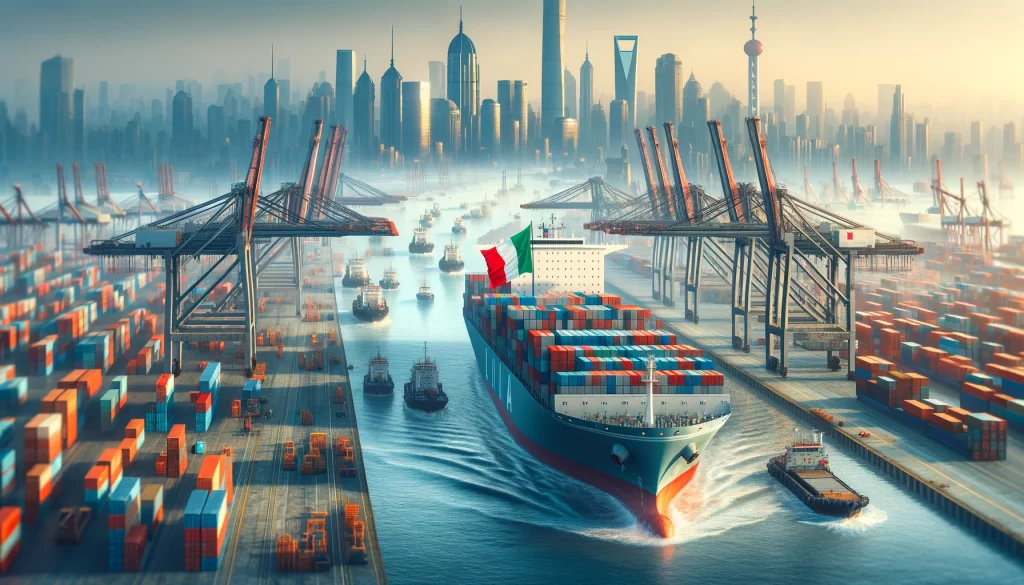
Each option has strengths depending on cargo type and urgency.
| Freight Method | Pros | Cons |
|---|---|---|
| Sea Freight | Lowest cost, best for heavy equipment | Long transit time |
| Rail Freight | Faster than sea, stable routes | Weight/dimension limits |
| Air Freight | Fastest, excellent for urgent repairs | Very costly |
What Factors Affect the Cost of Machinery Shipping China to Europe?
Several variables influence pricing and delivery time:
- Cargo weight and dimensions
- Packaging type and reinforcement
- Incoterms (FOB, EXW, CIF)
- Customs clearance requirements
- Insurance coverage
- EU regulations and inspection fees
- Distance between pickup and destination
- Supply chain congestion during peak logistics seasons
Additionally, importers should factor in last-mile delivery to their warehouse or factory.
How to Reduce Delays During Machinery Shipping China to Europe?
Importers can shorten transit times and reduce risks by following proven best practices:
Key Delay-Reduction Strategies
- Prepare customs documents early
- Ensure CE compliance before shipping
- Book freight space 2–3 weeks in advance
- Choose reliable ports like Ningbo, Qingdao, or Shenzhen
- Use professional loading, lashing, and packaging services
- Confirm local delivery truck availability in Europe
Moreover, using a freight forwarder experienced with heavy machinery prevents unexpected costs and delays.
How to Improve Cost Efficiency When Shipping Machinery to Europe?
For better cost control, businesses can:
- Consolidate shipments for small machinery
- Use FCL instead of LCL during busy seasons
- Ship non-urgent spare parts by sea instead of air
- Request multi-carrier quotes
- Select a direct port route when possible
These strategies help optimize overall logistics spending.
Conclusion
In conclusion, machinery shipping China to Europe requires careful planning, accurate documentation, and the right freight method. However, when you understand costs, transit time, customs requirements, and packaging needs, the entire process becomes smoother and more predictable. Working with a specialized freight forwarder ensures safer handling, reduced delays, and more cost-effective solutions for all types of industrial machinery.
FAQ
1. What is the safest method for transporting heavy machinery to Europe?
The safest method is FCL sea freight using reinforced containers, since it ensures stable loading, minimized handling, and adequate protection for large or expensive machinery.
2. Do all machinery shipments require CE certification?
Most industrial machinery requires CE certification before entering the EU, as it verifies compliance with European safety standards and reduces delays during customs inspections.
3. How early should machinery shipments be booked in China?
Booking at least two to three weeks early is recommended, because container space, special equipment, and professional lashing services may be limited during peak seasons.
4. Can machinery parts be shipped separately to reduce costs?
Yes. Many companies ship spare parts separately using air or rail freight, which helps reduce emergency repair downtime and maintains a flexible supply-chain flow.
5. What European ports are best for machinery imports?
Rotterdam, Hamburg, Antwerp, Valencia, and Genoa are excellent machinery-handling ports due to their strong infrastructure and fast customs processing for industrial goods.