

Efficient machinery shipping China to UK is essential for manufacturers, importers, and industrial buyers who rely on timely and secure logistics. Whether transporting heavy equipment, precision parts, or full production lines, finding the right freight method and partner ensures your shipment arrives safely and cost-effectively.

1. Why Machinery Shipping from China to the UK Matters
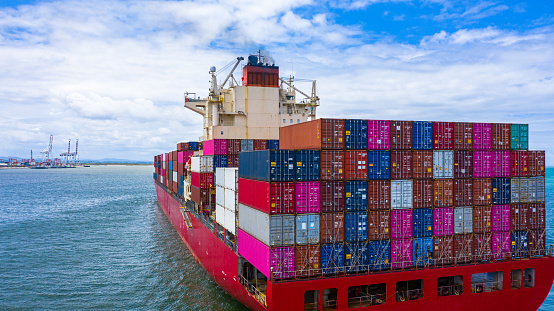
China is one of the world’s largest machinery exporters, supplying the UK with industrial tools, construction equipment, agricultural machines, and manufacturing systems. However, machinery is typically large, heavy, and high-value, requiring specialized handling, insurance, and customs expertise.
Choosing the correct shipping method—sea, air, or rail freight—can significantly impact delivery speed, total cost, and operational efficiency.
| Shipping Method | Transit Time | Average Cost (USD/CBM) | Ideal For |
|---|---|---|---|
| Sea Freight | 30–40 days | $100–$180 | Heavy or bulky equipment |
| Rail Freight | 18–22 days | $200–$300 | Mid-size industrial cargo |
| Air Freight | 5–8 days | $700–$1,000 | Urgent or precision machinery |
2. How Long Does Machinery Shipping from China to the UK Take?
The transit time depends on the transport mode and route:
- Sea Freight: 30–40 days (from Shanghai, Shenzhen, Ningbo, or Qingdao to London, Southampton, or Felixstowe).
- Rail Freight: 18–22 days (from Xi’an or Chengdu to London via the China–Europe railway).
- Air Freight: 5–8 days for time-critical machinery components.
However, customs clearance, port congestion, and inland delivery can slightly extend total lead time.
3. What Are the Main Shipping Routes from China to the UK?
| Origin City (China) | Destination Port (UK) | Transit Time | Mode |
|---|---|---|---|
| Shanghai | Felixstowe | 32–36 days | Sea |
| Shenzhen | London Gateway | 33–38 days | Sea |
| Xi’an | London | 18–20 days | Rail |
| Guangzhou | Heathrow | 5–6 days | Air |
These routes connect key Chinese manufacturing hubs to the UK’s busiest logistics centers, ensuring consistent supply chains for industrial importers.
4. What Types of Machinery Can Be Shipped?
Almost all categories of machinery can be shipped safely from China to the UK, including:
- Industrial manufacturing equipment
- Agricultural machinery (tractors, harvesters)
- Construction machinery (excavators, cranes)
- Packaging and printing machines
- Textile production lines
- Medical and precision instruments
Moreover, specialized out-of-gauge (OOG) or breakbulk handling options allow for oversized and heavy-load shipments beyond standard container limits.
5. Which Shipping Method Is Best for Machinery?
| Criteria | Sea Freight | Rail Freight | Air Freight |
|---|---|---|---|
| Cost Efficiency | ★★★★★ | ★★★★☆ | ★☆☆☆☆ |
| Speed | ★★☆☆☆ | ★★★★☆ | ★★★★★ |
| Reliability | ★★★★☆ | ★★★★★ | ★★★★★ |
| Heavy Load Capacity | Excellent | Good | Limited |
| Carbon Emissions | Low | Very Low | High |
Sea freight remains the most cost-effective for bulky or heavy machinery, while rail freight offers a balanced alternative for medium loads needing faster transit. For urgent spare parts, air freight is ideal despite higher costs.
6. How Much Does Machinery Shipping from China to the UK Cost?
Shipping costs vary depending on machinery dimensions, weight, and packaging. Below is an estimate:
| Container Type / Mode | Approx. Cost (USD) | Transit Time |
|---|---|---|
| 20ft Container (Sea) | $2,000 – $2,800 | 30–35 days |
| 40ft Container (Sea) | $3,200 – $4,200 | 35–40 days |
| LCL (Less than Container Load) | $100 – $180 per CBM | 35 days |
| Rail Freight | $250 – $350 per CBM | 18–22 days |
| Air Freight | $6 – $8 per kg | 5–8 days |
Note: Additional fees may apply for packaging, loading, insurance, and UK customs clearance.
Are you ready to book?
Access live instant freight quotes
7. What Documents Are Required for Machinery Shipping?
Proper documentation ensures smooth customs clearance on both sides. Below is a checklist:
| Required Document | Description |
|---|---|
| Commercial Invoice | Details product value and seller/buyer information |
| Packing List | Lists item weights and dimensions |
| Bill of Lading / Air Waybill | Official transport document |
| Certificate of Origin | Confirms country of manufacture |
| CE Certificate | Required for machinery entering the UK market |
| Import License (if needed) | For restricted industrial machinery |
| Insurance Certificate | Protects against damage or loss |
Tip: Machinery must meet UKCA marking requirements post-Brexit, replacing the EU’s CE label for most goods.
8. How Is Heavy Machinery Loaded and Packed for Transport?
Proper packaging and loading reduce risk during long-distance transit:
- Wooden crates and steel frames protect fragile components.
- Anti-corrosion coatings are applied for sea freight.
- Shock absorbers and moisture-proof wrapping safeguard sensitive machinery.
- Flat rack containers or open-top containers handle oversized machines.
Additionally, professional freight forwarders provide on-site inspection, photos, and insurance coverage for full transparency.
9. What Are the Customs Procedures for Machinery Imports to the UK?
After Brexit, UK importers must follow specific customs rules:
- EORI Number Registration – Required for import declarations.
- Customs Declaration Submission – Including HS codes and product valuation.
- Payment of Duties and VAT – Typically 0–4% for machinery, plus 20% VAT.
- Compliance Verification – Ensure machinery meets safety and emissions standards.
Using an experienced freight forwarder simplifies customs processes and avoids costly clearance delays.
10. What Are the Common Challenges in Machinery Shipping?
- Complex documentation for import/export compliance
- Oversized cargo requiring special handling
- Customs delays due to incomplete paperwork
- Inadequate insurance coverage
- Non-compliance with UK standards
Therefore, it’s essential to collaborate with a reliable logistics company experienced in industrial freight.
Conclusion
Choosing machinery shipping China to UK through an experienced logistics partner ensures safe, compliant, and cost-effective transport. With multiple freight options—sea, rail, or air—you can align shipping strategy with business needs.
Partnering with ChinaTopFreight means efficient customs clearance, professional packaging, and on-time delivery for your industrial imports. Simplify your supply chain and move your machinery with confidence.
FAQ
1. Can I ship oversized machinery from China to the UK?
Yes, through special containers like open-top or flat racks designed for heavy and large equipment.
2. Do I need insurance for machinery shipments?
Yes. Machinery is high-value; insurance protects against transit damage, theft, or loss during shipment.
3. How are customs duties calculated for machinery?
They depend on HS codes, product value, and machinery type. Most fall between 0% and 4% under UK import rules.
4. Can I combine multiple machinery shipments in one container?
Yes, using LCL services, multiple machines from different suppliers can be consolidated to reduce shipping costs.
5. What safety standards must imported machinery meet?
All machinery entering the UK must comply with UKCA marking and relevant safety, emissions, and labeling regulations.