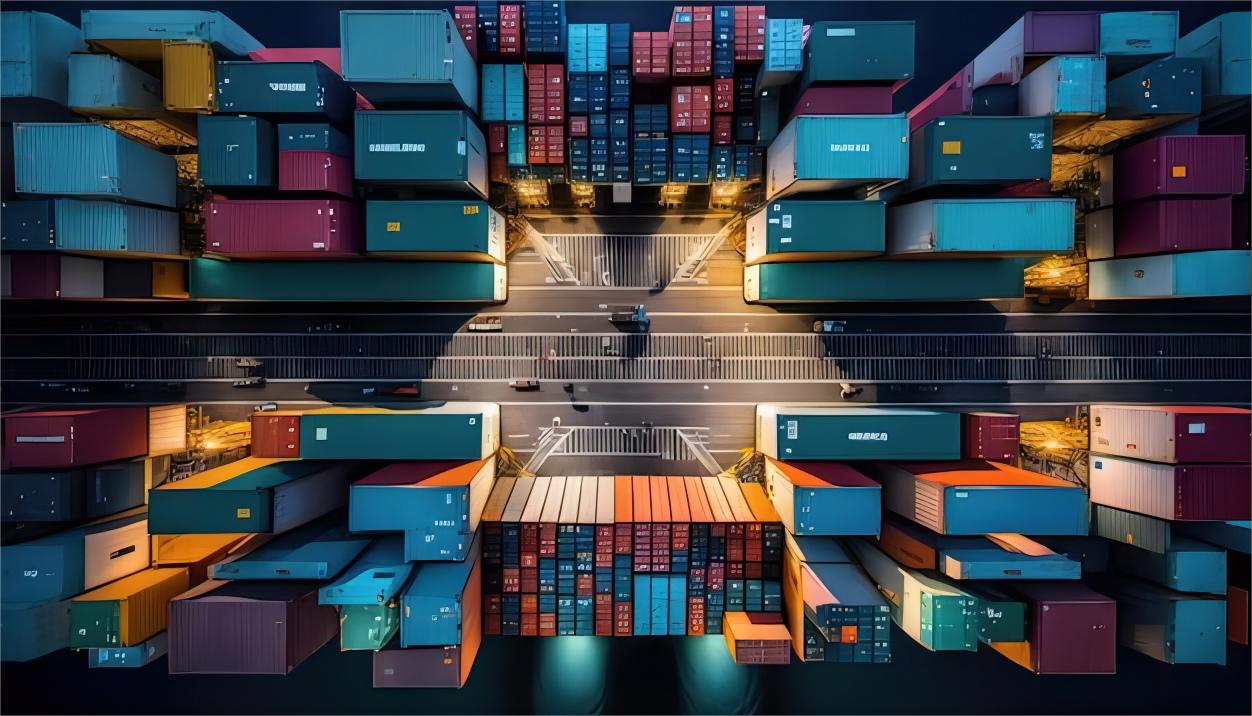
Mastering 40GP FCL Shipping from China to Europe: Your Ultimate Guide
“Efficiently moving large volumes of goods from China to Europe requires strategic planning. For many businesses, 40GP FCL shipping offers the perfect balance of cost-effectiveness and security. This guide will demystify the process, helping you optimize your supply chain and ensure smooth delivery.”
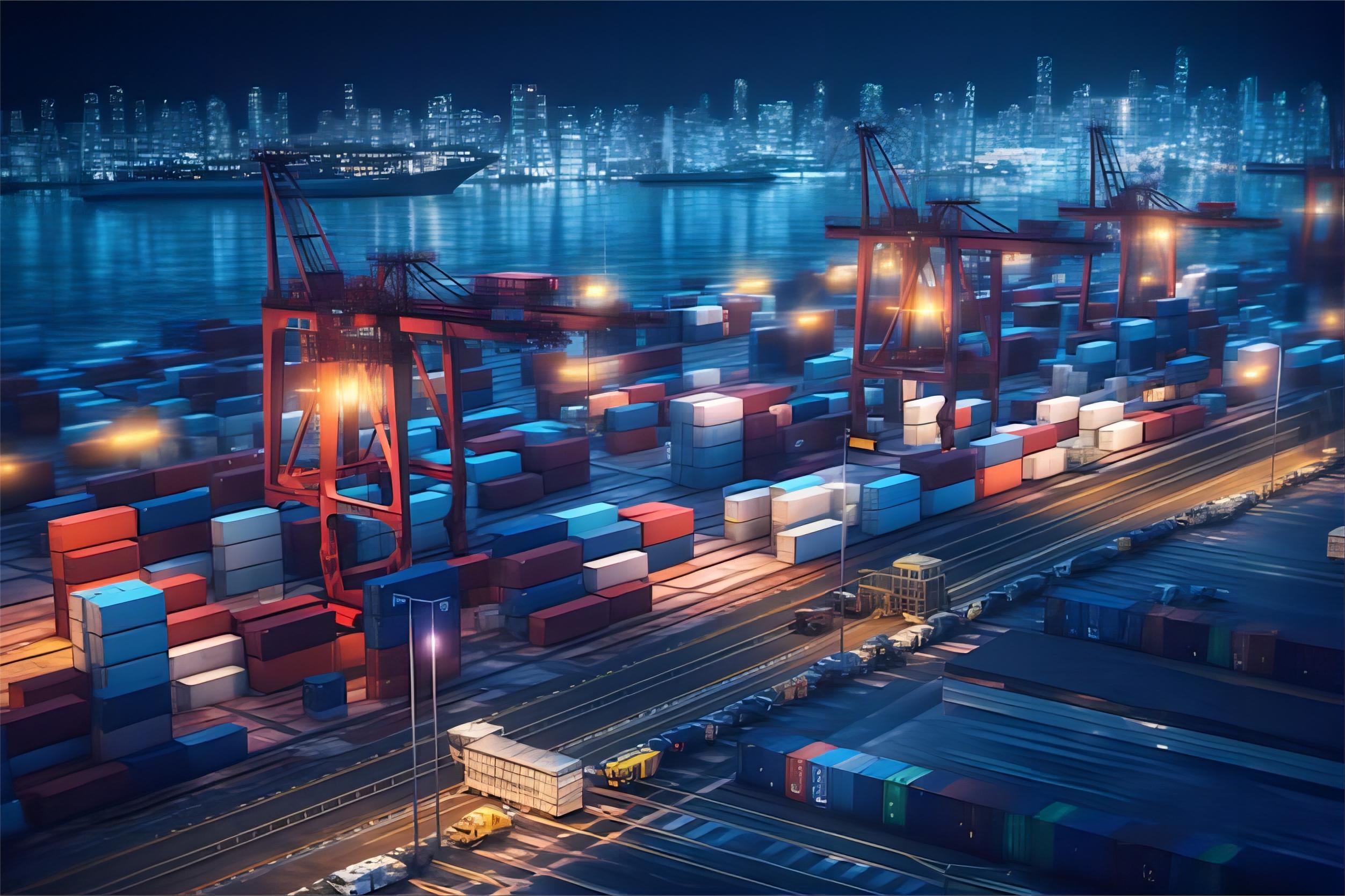
What is 40GP FCL Shipping and Why Choose It?
❖A 40GP (General Purpose) container is a standard 40-foot shipping unit, widely used for transporting diverse cargo. FCL, or Full Container Load, means your goods occupy the entire container, providing exclusive space and enhanced security. Therefore, this method is ideal for substantial shipments.
Choosing 40GP FCL shipping from China to Europe offers several advantages for businesses. Primarily, it provides greater control over your cargo, reducing the risk of damage or contamination from other goods. Moreover, it is generally more cost-effective for large volumes compared to Less than Container Load (LCL) options, especially when freight rates are stable.
Key Considerations for 40GP FCL Shipping from China to Europe
❖When planning your 40GP FCL shipping from China to Europe, several critical factors demand attention. These include understanding the various routes, estimating transit times, and managing the overall shipping costs. Furthermore, selecting the right port of entry in Europe can significantly impact efficiency and final delivery schedule.
Transit times for sea freight typically range from 25 to 45 days, depending on the specific origin port in China and destination port in Europe. For instance, a shipment from Shanghai to Hamburg might differ from one going to Rotterdam. Additionally, seasonal demand and port congestion can influence these timelines, so planning ahead is crucial for timely delivery.
Calculating the cost of 40GP FCL from China involves more than just the base freight rate. You must also account for fuel surcharges (Bunker Adjustment Factor – BAF), currency adjustment factors (CAF), terminal handling charges (THC), and potential customs duties. Consequently, obtaining a detailed quote from your freight forwarder is essential for accurate budgeting.
| Route (Example) | Typical Transit Time (Days) | Estimated Cost Range (USD) |
|---|---|---|
| Shanghai to Hamburg | 30-35 | 3,500 – 6,000 |
| Shenzhen to Rotterdam | 28-33 | 3,800 – 6,500 |
| Ningbo to Felixstowe | 32-38 | 3,600 – 6,200 |
| Qingdao to Valencia | 35-40 | 3,700 – 6,300 |

Navigating Documentation and Customs for Europe-bound Cargo
❖Smooth customs clearance is paramount for successful 40GP FCL shipping from China to Europe. A slight error in documentation can lead to significant delays and additional costs. Therefore, meticulous preparation of all required paperwork is non-negotiable for import/export operations.
Essential documents typically include the Bill of Lading (B/L), Commercial Invoice, Packing List, and Certificate of Origin. Depending on the cargo type and destination country, additional licenses or permits might be necessary. Moreover, understanding European Union import regulations is vital.
Working with an experienced freight forwarder simplifies this complex process. They can guide you through specific requirements, ensure all declarations are accurate, and help mitigate potential issues. This expertise is invaluable for efficient logistics and avoiding customs hold-ups.
| Document | Purpose | Key Information |
|---|---|---|
| Bill of Lading (B/L) | Contract of carriage, title to goods | Shipper, Consignee, Notify Party, Cargo description |
| Commercial Invoice | Proof of sale, customs valuation | Seller, Buyer, Goods description, Value, Incoterms |
| Packing List | Details of cargo contents | Number of packages, Weight, Dimensions, Marks |
| Certificate of Origin | Proof of goods’ country of manufacture | Issuing body, Manufacturer, Goods details |
| Customs Declaration | Required for import/export clearance | Harmonized System (HS) codes, Value, Duties |

How to Optimize Your 40GP FCL Shipping Strategy
❖Optimizing your 40GP FCL shipping from China to Europe involves strategic choices that impact both cost and efficiency. One key aspect is selecting a reliable freight forwarder with a strong network and proven track record. Such a partner can offer competitive sea freight China to Germany rates and robust FCL logistics solutions.
Furthermore, consider consolidating multiple smaller orders into a single 40ft container shipping. This maximizes container utilization and reduces per-unit shipping costs, especially for regular importers. Additionally, understanding Incoterms (e.g., FOB, EXW, CIF) is crucial, as they define responsibilities and cost allocation between buyer and seller, impacting your overall supply chain strategy.
Common Challenges and Solutions in China-Europe FCL Logistics
❖Despite careful planning, challenges can arise in China-Europe FCL logistics. Port congestion, particularly during peak seasons or holidays, can cause significant delays. Moreover, unforeseen weather conditions or equipment shortages can disrupt delivery schedules. Therefore, maintaining open communication with your forwarder is vital for proactive problem-solving.
To mitigate these issues, consider flexible booking options and build buffer time into your supply chain. Utilizing a freight forwarder that offers real-time tracking and transparent communication helps manage expectations. Additionally, exploring alternative routes or ports during high-demand periods can provide valuable solutions for continuous cargo flow.
Seamless 40GP FCL Shipping for Your European Imports
In conclusion, mastering 40GP FCL shipping from China to Europe is achievable with the right knowledge and partner. Understanding the nuances of transit times, costs, and documentation is crucial for a successful supply chain. Therefore, partnering with an experienced freight forwarder like China Top Freight ensures your cargo arrives safely and efficiently. We empower your business with seamless logistics solutions.
Ready to streamline your logistics?
Ready to streamline your 40GP FCL shipping from China to Europe? Contact China Top Freight today for a personalized quote and expert guidance tailored to your specific logistics needs.
Request Quote