

Mastering 40HQ FCL Tracking for Textiles: China to Belgium Shipping Solutions
Ensuring the safe and timely arrival of textile shipments from China to Belgium demands meticulous logistics. Specifically, efficient 40HQ FCL tracking for textiles from China to Belgium is paramount for maintaining supply chain integrity. At China Top Freight, we understand these complexities, offering robust solutions to provide unparalleled visibility. Therefore, proactive tracking mitigates risks, ensuring your valuable cargo reaches its destination as planned.

1. Why is 40HQ FCL Tracking Crucial for Textile Shipments?
For textile businesses, visibility into their supply chain is non-negotiable. Real-time 40HQ FCL tracking for textiles from China to Belgium offers critical insights, allowing businesses to monitor their goods every step of the way. Consequently, this transparency helps manage inventory, predict arrival times, and respond swiftly to any unforeseen delays.
Furthermore, textiles are often time-sensitive or seasonal products, making precise delivery schedules essential. Effective tracking reduces uncertainties, helping you avoid stockouts or missed market opportunities. Ultimately, this proactive approach safeguards your investment and enhances customer satisfaction.
2. How Does FCL Shipping Work for Textiles from China to Belgium?
Full Container Load (FCL) shipping is ideal for large textile volumes, as your goods occupy an entire 40HQ container. This method minimizes handling, thereby reducing the risk of damage or contamination. Moreover, it offers a dedicated space, ensuring your textiles are transported securely from origin to destination.
The process typically involves booking the container, arranging pickup from the factory in China, and then ocean freight to a Belgian port like Antwerp. Afterward, local distribution handles the final leg of delivery. Throughout this journey, robust tracking systems are vital for continuous oversight.
3. What Are Key Tracking Technologies for Your 40HQ Container?
Modern logistics leverages advanced technologies to enhance container tracking capabilities. GPS and IoT devices embedded within containers provide real-time location data, offering pinpoint accuracy. Additionally, these systems can monitor environmental conditions, such as temperature and humidity, crucial for sensitive textile products.
Furthermore, sophisticated online platforms aggregate this data, presenting it in an easily accessible format. This allows stakeholders to access comprehensive updates, including estimated arrival times and potential route deviations. Such tools are indispensable for effective freight management and supply chain visibility textiles.
| Tracking Feature | Benefit for Textile Shipments | Impact on Supply Chain |
|---|---|---|
| GPS Location Updates | Pinpoint container location at sea and land | Improved ETA accuracy, proactive planning |
| Real-time Event Alerts | Notifications for port arrivals, departures, customs clearance | Reduced response time to exceptions |
| Environmental Monitoring (IoT) | Ensures optimal conditions (temp/humidity) for textiles | Minimizes damage, preserves product quality |
| Digital Documentation Access | Instant access to shipping manifests and customs forms | Streamlined customs clearance, reduced administrative burden |

4. Understanding the Journey: China to Belgium Shipping Routes
The primary shipping route for 40HQ FCL textiles from China to Belgium is via ocean freight. Vessels typically depart from major Chinese ports like Shanghai, Ningbo, or Shenzhen. They then traverse through key international shipping lanes, often via the Suez Canal, heading towards European ports.
Upon reaching Europe, the port of Antwerp in Belgium is a major hub for textile imports. Transit time can vary, but generally ranges from 25 to 35 days, depending on the origin port and specific shipping line. Optimized shipping routes China Belgium are continuously sought to enhance efficiency.
5. Navigating Customs and Documentation for Textile Imports
Customs clearance for fabric shipments into Belgium requires precise documentation and adherence to European Union regulations. Failure to comply can lead to significant delays and penalties. Therefore, having a knowledgeable freight forwarder is crucial to manage this complex process efficiently.
Key documents include commercial invoices, packing lists, bills of lading, and certificates of origin. Additionally, specific textile import regulations Belgium may require further certifications, such as REACH compliance for certain chemicals. Proper preparation ensures a smooth transition through customs.
6. What Factors Influence FCL Shipping Costs and Transit Times?
Several variables impact FCL shipping costs China Europe and transit times for your textile cargo. These include fuel prices, port congestion, seasonal demand, and the specific shipping line chosen. Furthermore, geopolitical events and global logistics trends can also play a significant role in pricing and schedules.
To mitigate these fluctuations, it’s advisable to work with a freight forwarder who can offer competitive rates and flexible shipping options. They can help you navigate market volatility and secure the best possible terms for your 40HQ FCL tracking for textiles from China to Belgium.

7. Ensuring Security and Compliance for Your Textile Cargo
Maintaining the security of your textile cargo throughout its journey is paramount. FCL shipping inherently offers greater security than LCL, as the container is sealed at origin and remains untouched until destination. However, additional measures like robust cargo insurance FCL are always recommended for peace of mind.
Moreover, ensuring compliance with all international shipping standards and destination country regulations is essential. A reputable freight forwarder assists with this, providing expert guidance on documentation for textile imports and secure textile logistics practices. This minimizes risks and protects your valuable goods.
8. Optimizing Your Textile Supply Chain with China Top Freight
Partnering with an experienced freight forwarder is key to unlocking an optimized textile supply chain. We offer end-to-end FCL solutions, managing every aspect from factory pickup to final delivery in Belgium. Our expertise ensures seamless operations and transparent communication.
By leveraging our advanced 40HQ FCL tracking for textiles from China to Belgium, you gain complete control and peace of mind. We focus on efficiency, reliability, and cost-effectiveness, allowing you to concentrate on your core business while we handle the complexities of international shipping.
Seamless Textile Logistics: Your Partner from China to Belgium
Efficient 40HQ FCL tracking for textiles from China to Belgium is more than just a service; it’s a strategic advantage. It provides the visibility, security, and control necessary for successful international trade. By understanding the intricacies of FCL shipping, leveraging advanced tracking technologies, and meticulously navigating customs, businesses can ensure their textile imports arrive on time and in perfect condition.
Ultimately, partnering with a knowledgeable freight forwarder like China Top Freight is crucial for optimizing your supply chain. We are committed to delivering comprehensive, reliable solutions that empower your business to thrive in the global textile market. Experience the difference of expert logistics management.
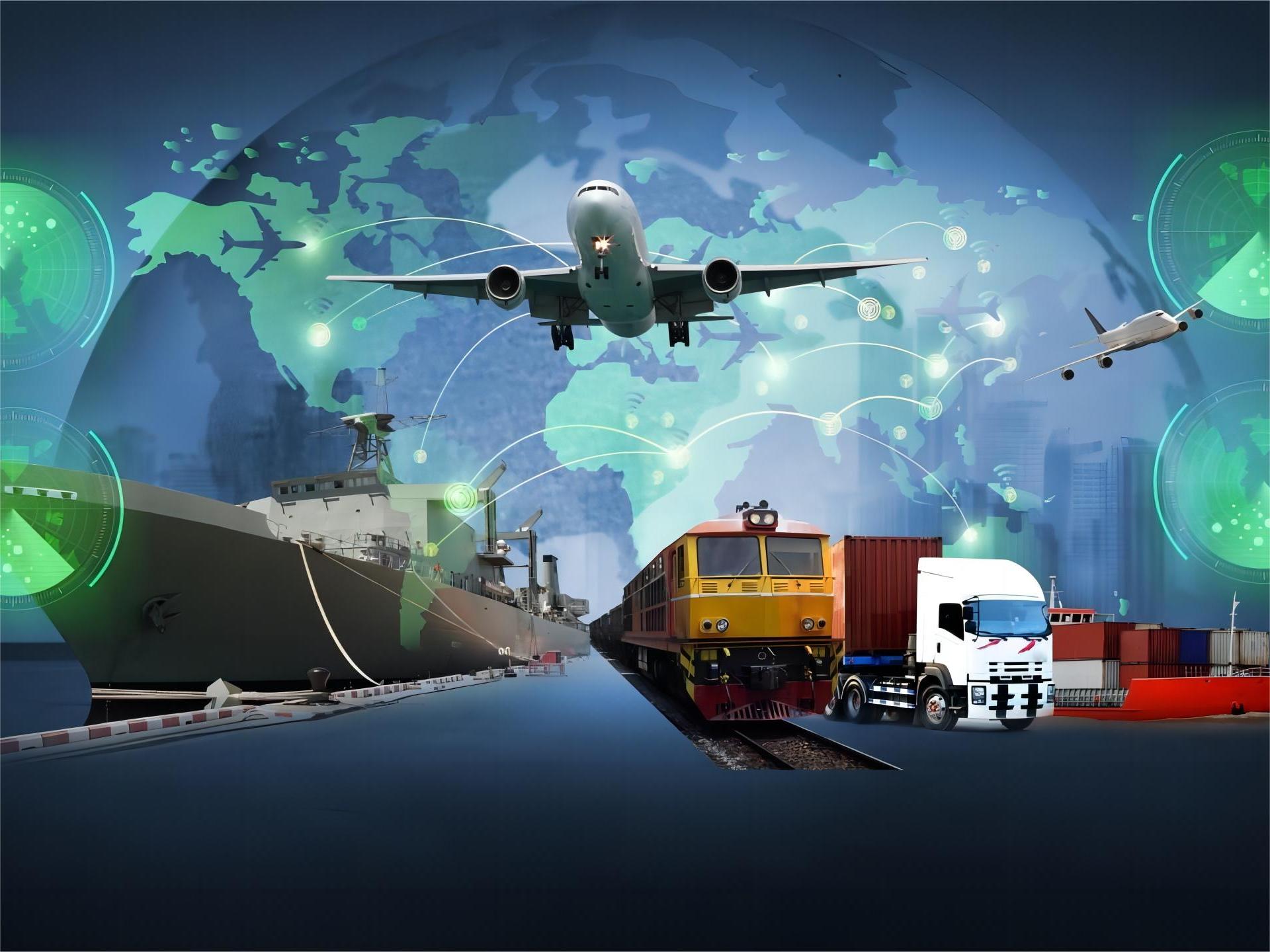
Get Your Shipping Quote Today
Are you ready to enhance your textile supply chain with superior tracking and reliable logistics? Contact China Top Freight today for a personalized quote and discover how our expert 40HQ FCL tracking for textiles from China to Belgium can benefit your business. Let us simplify your international shipping.
Request Quote