

Mastering Reefer FCL Detention Prevention for Machinery from China to Texas
Shipping specialized machinery in Reefer FCL containers from China to Texas presents unique logistical challenges. Unforeseen delays can quickly lead to significant detention charges, impacting your budget and delivery schedules. However, with proactive planning and expert guidance, you can effectively navigate these complexities and ensure timely, cost-efficient delivery. Visit https://chinatopfreight.com/ for more insights.
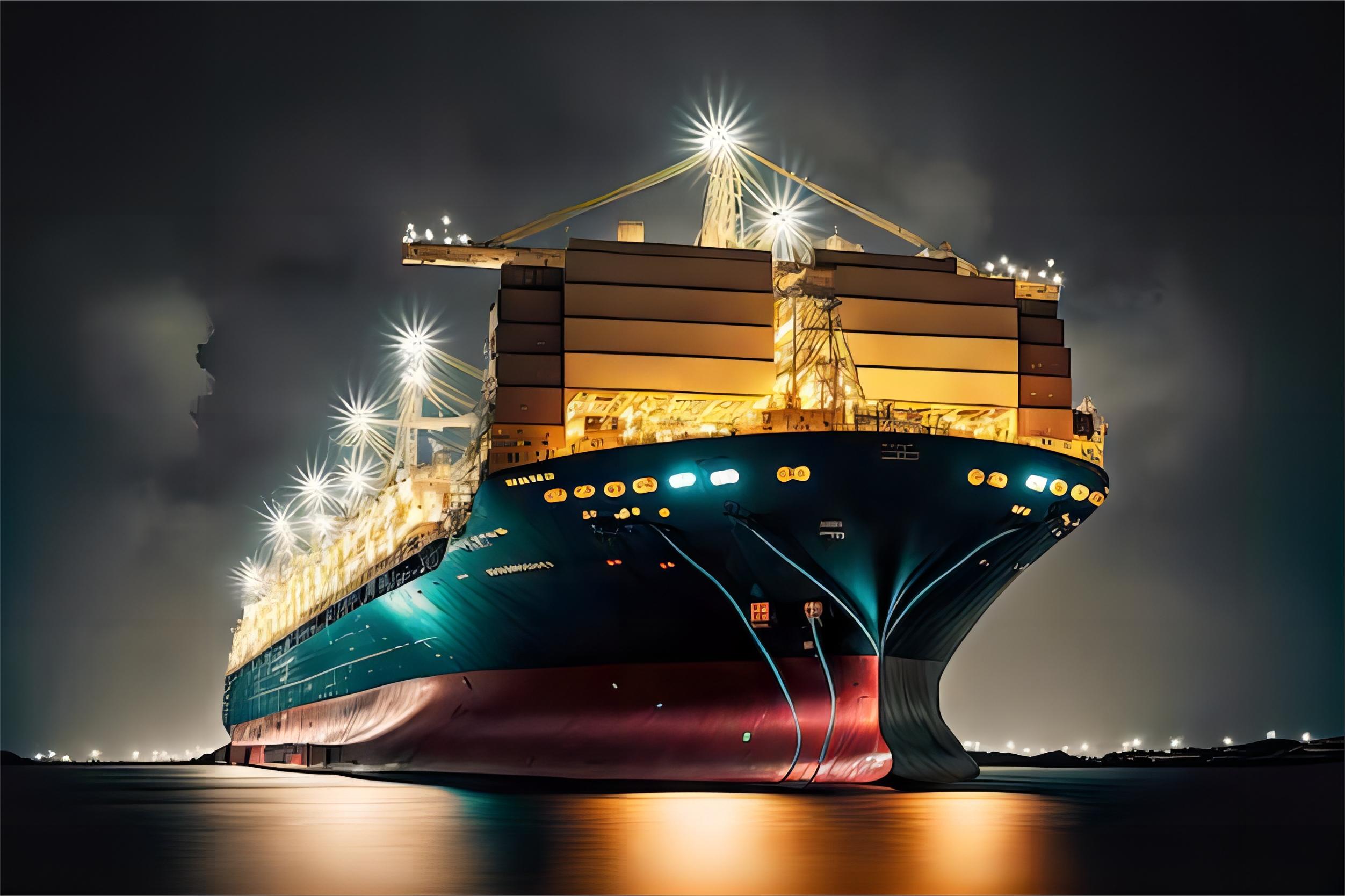
1. Understanding Reefer FCL Detention Risks
Reefer FCL detention prevention for machinery from China to Texas begins with understanding the financial pitfalls. Detention fees arise when containers remain at the port or terminal beyond the allotted free time, often due to customs issues, documentation errors, or drayage delays. These charges can escalate rapidly, significantly increasing your overall shipping costs.
Moreover, the specialized nature of reefer containers, which maintain specific temperatures for sensitive machinery, adds another layer of complexity. Any prolonged delay can compromise equipment integrity or incur additional monitoring fees, further emphasizing the need for meticulous planning and execution in your supply chain.
| Charge Type | Description | Typical Daily Cost (USD) |
|---|---|---|
| Demurrage | Container dwell time at port beyond free period | $100 – $300 |
| Detention | Container retained by consignee beyond free period | $100 – $250 |
| Reefer Monitoring | Power/monitoring fees for refrigerated containers during delays | $50 – $150 |
| Plug-in Charges | Cost for powering reefer containers at terminal | $30 – $100 |
2. Strategic Planning for Reefer FCL Shipments
Effective planning is paramount for successful reefer container shipping from China to Texas. Carefully select your shipping route and carrier, prioritizing reliability and experience with temperature-controlled cargo. Always confirm transit time and potential port congestion to mitigate risks.
Additionally, establish a clear delivery schedule with all parties involved, including your consignee and drayage provider. This proactive approach helps in preventing reefer detention charges by ensuring seamless transitions from vessel to final destination.

3. Essential Documentation and Customs Compliance
Accurate and complete documentation is critical for smooth machinery import regulations Texas-bound. Ensure all necessary paperwork, including commercial invoices, packing lists, and certificates of origin, is prepared well in advance. Minor errors can lead to customs holds, causing significant delays and detention fees.
Furthermore, understanding and complying with U.S. customs regulations for specialized industrial equipment is vital. Work closely with your freight forwarder to pre-clear shipments whenever possible, thereby streamlining the customs process and accelerating delivery schedules.
4. Optimizing Port Operations and Drayage
Efficient coordination at the port of arrival in Texas is crucial for minimizing detention. Pre-arranging drayage services with a reliable local trucking company ensures prompt container pickup once released by customs. This prevents containers from sitting idle and incurring charges.
Moreover, maintaining open communication channels with port authorities and drayage providers allows for real-time adjustments to delivery plans. This proactive management of logistics trends helps in preventing reefer FCL detention, especially during peak seasons or unforeseen port congestion.
5. Technology and Communication in Cold Chain Logistics
Leveraging advanced technology significantly enhances efficient reefer FCL management. Utilize real-time tracking systems to monitor your container’s location and temperature settings throughout its journey. This transparency allows for immediate intervention if any issues arise, preventing costly delays.
Furthermore, robust communication protocols among all supply chain partners are indispensable. Regular updates and alerts ensure everyone is informed, facilitating quick decision-making and collaborative problem-solving to avoid potential reefer FCL detention.
6. Partnering with a Specialized Freight Forwarder
Engaging a professional freight forwarder specializing in reefer FCL detention prevention for machinery from China to Texas is a strategic advantage. They possess invaluable expertise in navigating complex international logistics, customs procedures, and local drayage networks. Their guidance can significantly reduce your risk exposure.
A specialized forwarder can optimize shipping routes, negotiate better rates, and provide comprehensive support from origin to destination. Ultimately, their experience contributes to minimizing demurrage fees reefer shipments often face, ensuring a more predictable and cost-effective import/export process.
| Benefit | Description | Impact on Detention Prevention |
|---|---|---|
| Expert Guidance | Deep knowledge of international shipping and customs | Avoids costly documentation errors and delays |
| Network Access | Established relationships with carriers, ports, and drayage | Facilitates faster bookings, releases, and pickups |
| Proactive Monitoring | Real-time tracking and issue resolution | Identifies and addresses potential delays before they become charges |
| Cost Optimization | Negotiates competitive rates and identifies efficiencies | Reduces overall shipping costs, including potential detention fees |
| Risk Mitigation | Manages unforeseen challenges and compliance issues | Ensures smoother supply chain, minimizing disruptions |
Conclusion: Proactive Steps for Smooth Reefer FCL Shipments
Successfully managing Reefer FCL detention prevention for machinery from China to Texas demands meticulous planning, precise documentation, and proactive communication. By understanding potential risks and implementing strategic solutions, you can significantly reduce unexpected costs and ensure timely delivery.
Moreover, leveraging the expertise of a specialized freight forwarder is crucial for navigating the complexities of international cold chain logistics. This comprehensive approach safeguards your investment and streamlines your entire import process, making your supply chain more resilient and cost-effective.
Start Your Shipment
Ensure your valuable machinery reaches Texas without incurring avoidable Reefer FCL detention charges. Partner with China Top Freight for unparalleled expertise in cold chain logistics and customs compliance. Contact us today to receive a personalized quote and optimize your next shipment from China.
Request Quote