

- By kelly
- October 24, 2025
- Logistics, Tips or Guide
Medical Equipment Freight China to Europe: Complete Guide for Importers
Shipping medical devices, hospital supplies, and healthcare equipment requires strict compliance, speed, and reliability. Choosing the right medical equipment freight China to Europe service is essential for importers, hospitals, and distributors who cannot risk delays or damaged goods.
This guide explains the shipping process, including freight options, costs, customs requirements, and practical strategies to ensure seamless delivery of sensitive healthcare products.
1. What Is Medical Equipment Freight from China to Europe?
Medical equipment freight refers to transporting healthcare products such as diagnostic devices, surgical tools, ventilators, and PPE from Chinese suppliers to European buyers. Due to their sensitivity, medical goods demand specialized logistics:
- Temperature-controlled handling for certain devices.
- Compliance with EU regulations like CE marking.
- Faster transit times to meet urgent demand.
2. Why Is Freight for Medical Equipment So Critical?
Medical supply chains are highly time-sensitive. Delayed shipments can disrupt hospital operations and patient care. Moreover, strict regulations mean incorrect documentation or poor handling may result in rejected cargo.
Therefore, specialized freight forwarders are needed to ensure:
- Safe packaging and labeling.
- Smooth customs clearance.
- On-time delivery to EU medical facilities.
3. Which Shipping Methods Are Best for Medical Equipment?
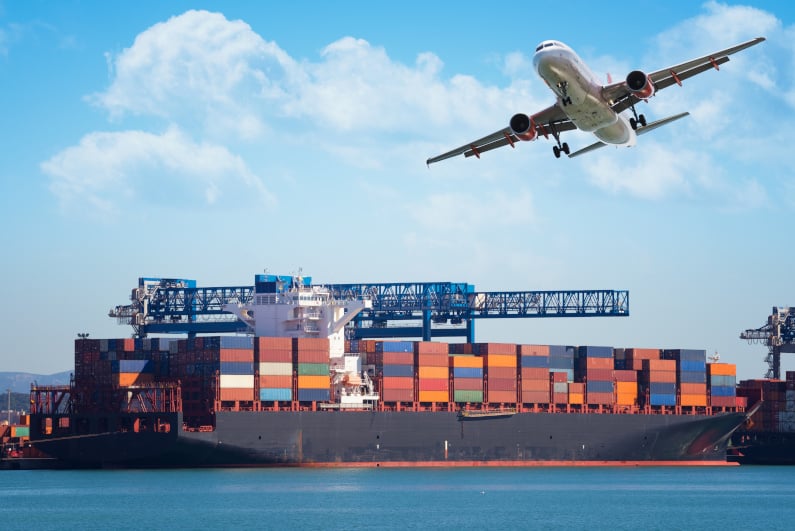
Medical equipment can be transported by air, sea, or rail freight. Each option has unique pros and cons.
| Shipping Method | Transit Time | Cost | Pros | Cons |
|---|---|---|---|---|
| Air Freight | 3–7 days | High | Fast, secure, reliable | Expensive, weight limits |
| Sea Freight (FCL/LCL) | 25–40 days | Low | Best for bulk, cost-efficient | Long transit, port delays |
| Rail Freight | 15–25 days | Moderate | Eco-friendly, balanced cost/speed | Limited routes to EU |
Tip: Urgent shipments like ventilators go by air, while bulky hospital furniture is better suited for sea freight.
4. How Much Does It Cost to Ship Medical Equipment?
Costs depend on cargo type, volume, and urgency.
| Cargo Type | Mode | Approx. Cost |
|---|---|---|
| Small devices (≤100 kg) | Air Freight | $5–$8/kg |
| Large hospital beds (LCL) | Sea Freight | $250–$350/CBM |
| Full container (FCL 20ft) | Sea Freight | $2,500–$3,500 |
| Medium shipment | Rail Freight | $3,000–$4,200 per container |
Additional fees may apply for temperature control, dangerous goods, or special permits.
5. How Long Does Medical Equipment Freight Take?
Transit times vary based on origin, destination, and method.
| Route | Method | Transit Time |
|---|---|---|
| Shanghai → Hamburg | Sea Freight | 28–35 days |
| Shenzhen → Paris | Air Freight | 4–6 days |
| Chengdu → Warsaw | Rail Freight | 18–22 days |
| Guangzhou → Amsterdam | Air Freight | 3–5 days |
During health emergencies, air freight remains the fastest and most reliable option.
6. What Documents Are Required for Medical Equipment Imports?
Customs clearance for medical equipment is stricter than regular goods.
| Document | Purpose |
|---|---|
| Commercial Invoice | Declares product value and buyer info |
| Packing List | Confirms package details |
| Air Waybill / Bill of Lading | Proof of transport |
| CE Certificate | Proves compliance with EU safety standards |
| Import License (if required) | Needed for restricted devices |
| Certificate of Origin | Confirms production country |
Missing documents may lead to fines or delays at European customs.
7. How Do EU Regulations Affect Medical Equipment Freight?
Europe enforces strict regulations on medical imports:
- CE Marking: Mandatory for medical devices sold in Europe.
- MDR (Medical Device Regulation): Requires compliance with safety and traceability standards.
- Customs Codes (HS Codes): Determine duties and VAT.
Therefore, partnering with a freight forwarder experienced in healthcare logistics ensures full compliance.
8. Should You Choose Air, Sea, or Rail Freight?
| Factor | Air Freight | Sea Freight | Rail Freight |
|---|---|---|---|
| Urgency | Very fast | Slow | Moderate |
| Cost | High | Low | Medium |
| Volume Suitability | Small/medium | Large | Medium |
| Security | High | Medium | High |
Best practice: Split shipments—send urgent goods by air and bulk items by sea or rail.
9. How to Reduce Shipping Costs for Medical Equipment?
- Consolidate cargo to optimize container use.
- Plan in advance to avoid peak-season surcharges.
- Negotiate with forwarders for healthcare-specific discounts.
- Use hybrid solutions (air + sea freight).
10. Which European Ports and Airports Handle Medical Equipment?
Major Airports in Europe:
- Frankfurt International Airport (Germany)
- Paris Charles de Gaulle Airport (France)
- Amsterdam Schiphol Airport (Netherlands)
Key Ports:
- Hamburg (Germany)
- Rotterdam (Netherlands)
- Antwerp (Belgium)
These hubs are equipped with specialized healthcare logistics facilities.
11. Common Challenges in Shipping Medical Equipment
- Customs delays due to incomplete documents.
- High costs of urgent air freight.
- Complex EU compliance rules.
- Temperature-sensitive handling requirements.
However, with experienced freight forwarders, these risks can be minimized.
12. Future Trends in Medical Equipment Freight
- Green logistics with more rail freight adoption.
- Digital supply chains using real-time cargo tracking.
- Increased automation in customs clearance.
- Growing demand for medical imports after global health crises.
📦Get a Free Quote
Ensure safe, fast, and compliant deliveries of sensitive products by working with experts in medical equipment freight China to Europe. Contact us today to request a free quote and discover tailored solutions for your healthcare supply chain.
❓ Frequently Asked Questions
Q1: How long does medical equipment freight take from China to Europe?
Transit time ranges from 3–7 days by air, 15–25 days by rail, and 25–40 days by sea freight depending on routes.
Q2: What is the most reliable method for urgent medical shipments?
Air freight is the most reliable for urgent deliveries, especially for life-saving devices that cannot afford shipping delays.
Q3: Do I need CE certification to import medical equipment into Europe?
Yes, CE marking is mandatory for most medical devices, ensuring compliance with EU health, safety, and environmental standards.
Q4: Can I ship temperature-sensitive medical supplies?
Yes, but special packaging and cold-chain logistics are required. Freight forwarders arrange temperature-controlled transport when necessary.
Q5: Which is the cheapest way to ship large medical equipment?
Sea freight is the cheapest option for bulky items like hospital beds and machinery, though slower compared to other methods.
Conclusion
Efficiently handling medical equipment freight China to Europe requires balancing cost, speed, and regulatory compliance. While air freight ensures urgency, sea and rail provide economical solutions for bulk shipments.
By preparing the right documents, meeting EU standards, and partnering with experienced healthcare freight forwarders, businesses can safeguard supply chains and ensure uninterrupted access to vital medical supplies.