

- By kelly
- October 20, 2025
- Logistics, Tips or Guide
Medical Equipment Sea Freight China to UK: Complete Importer’s Guide
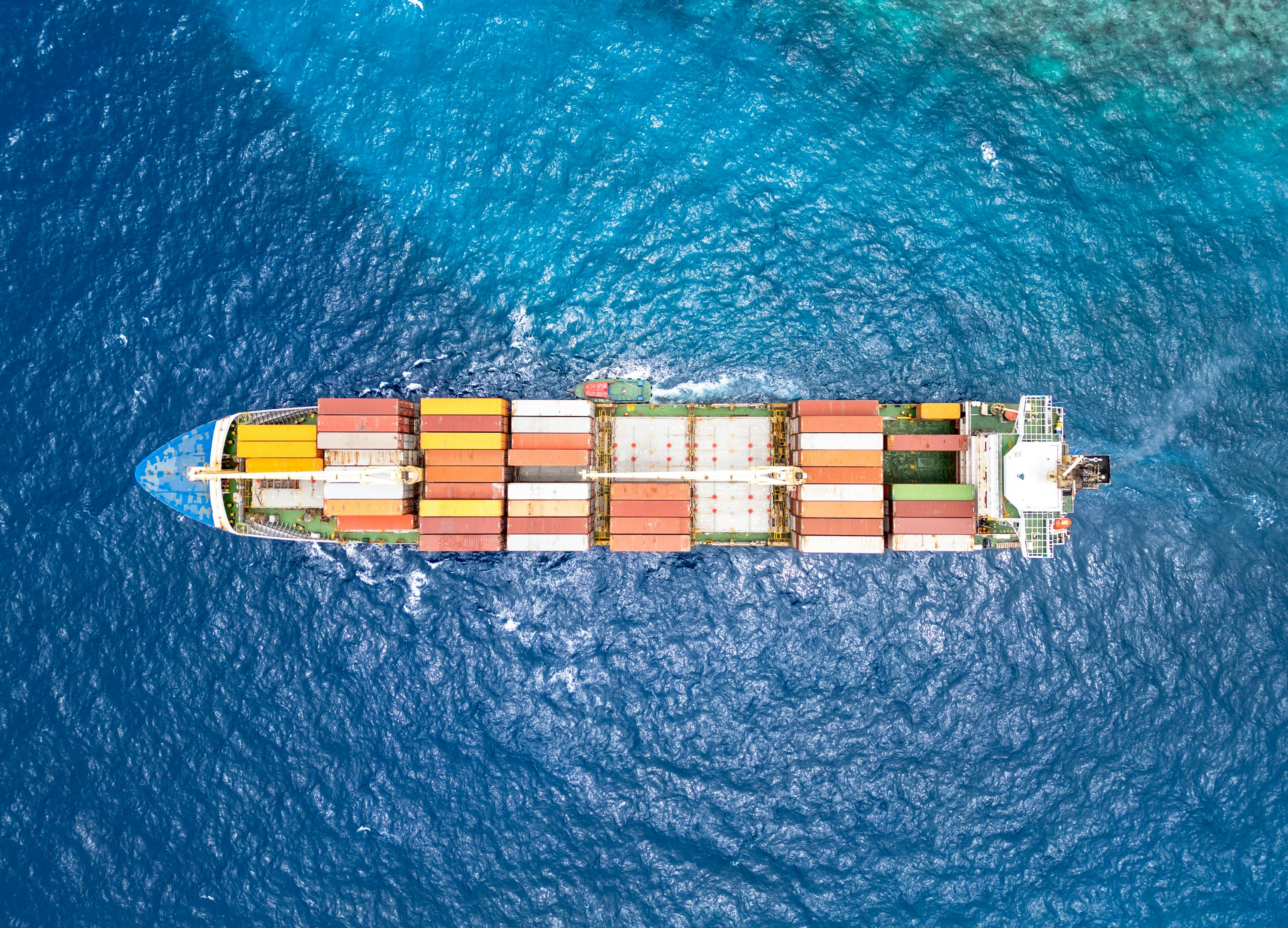
Choosing medical equipment sea freight China to UK is a practical solution for importers who need to balance cost, compliance, and delivery schedules. Unlike lightweight products, medical equipment often involves bulky machinery, delicate instruments, and regulated devices. Therefore, importers face challenges such as customs clearance, regulatory standards, and long transit times. This guide explains the shipping process, costs, required documents, and best practices for transporting medical equipment safely and legally.
1. Why Choose Sea Freight for Medical Equipment from China to UK?
- Cost-effectiveness: Lower per-unit costs for bulk shipments.
- Capacity: Suitable for large and heavy medical devices.
- Stability: Regular sailings from major Chinese ports to UK hubs.
- Scalability: Flexible for both full container loads (FCL) and less-than-container loads (LCL).
Sea freight is ideal when speed is less critical but cost savings are essential.
2. How Much Does It Cost to Ship Medical Equipment by Sea?
| Shipping Method | Average Cost | Transit Time | Best For | Cons |
|---|---|---|---|---|
| 20FT FCL | $2,200 – $3,600 | 28–35 days | Small to medium shipments | Limited space |
| 40FT FCL | $3,800 – $6,200 | 28–35 days | Large or bulky medical devices | Requires storage |
| LCL (per CBM) | $120 – $180 | 30–38 days | Small importers | Slower due to consolidation |
Costs fluctuate based on port charges, seasonal demand, and shipping line contracts.
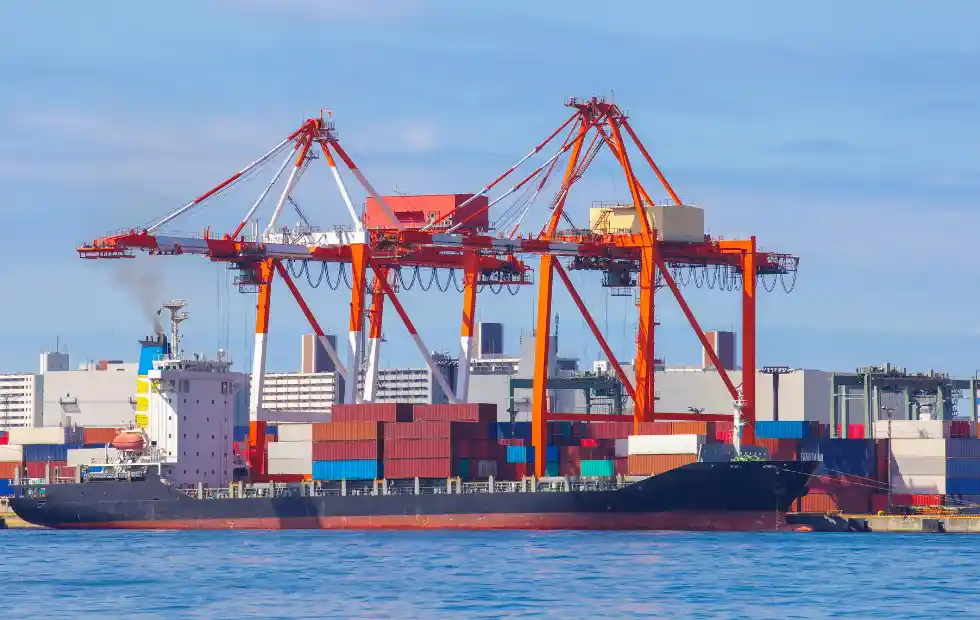
3. How Long Does Medical Equipment Sea Freight Take to the UK?
| Route | Transit Time |
|---|---|
| Shanghai → Felixstowe | 30–35 days |
| Shenzhen → Southampton | 32–38 days |
| Ningbo → London Gateway | 28–34 days |
| Qingdao → Liverpool | 33–37 days |
Additionally, customs clearance in the UK typically adds 2–5 working days depending on documentation accuracy.
4. What Documents Are Required for Medical Equipment Imports?
| Document | Purpose |
|---|---|
| Bill of Lading | Proof of carriage |
| Commercial Invoice | Declares value of goods |
| Packing List | Detailed contents of shipment |
| Certificate of Origin | Confirms Chinese origin |
| Importer’s EORI Number | Required for UK customs |
| CE/UKCA Certificates | Ensures regulatory compliance |
| Customs Declaration | Mandatory for clearance |
| Medical Device Registration (if required) | For regulated items |
5. What Duties and Taxes Apply to Medical Equipment?
- Import duty: Usually 0–5% depending on HS code classification.
- VAT: Standard 20% applied to most equipment.
- Exemptions: Some essential medical devices may qualify for reduced or zero duty rates.
Accurate HS coding is essential to avoid penalties or delays.
6. Should You Ship by FCL or LCL?
- FCL (Full Container Load): More secure, recommended for high-value or fragile medical equipment.
- LCL (Less than Container Load): Flexible for smaller importers but carries higher risk of handling damage.
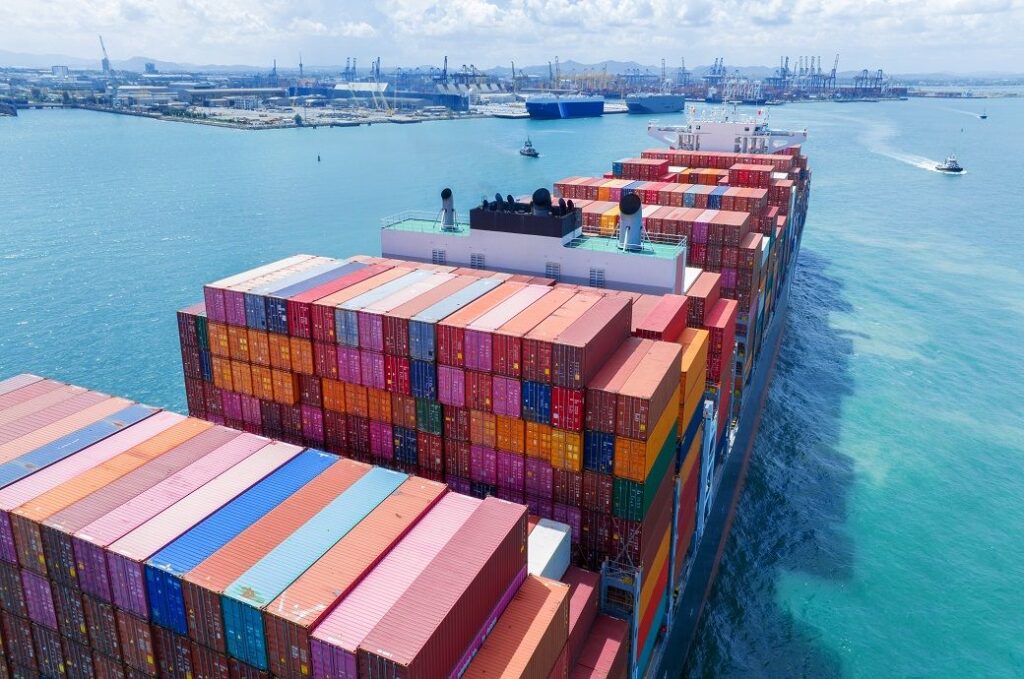
7. Sea Freight vs. Air Freight vs. Rail Freight for Medical Equipment
| Factor | Sea Freight | Air Freight | Rail Freight |
|---|---|---|---|
| Cost | Low | High | Medium |
| Speed | 28–40 days | 5–8 days | 18–22 days (to Europe, then truck) |
| Best For | Bulk/heavy devices | Urgent/sensitive items | Mid-volume shipments |
| Compliance | High | High | Moderate |
Air freight is common for urgent medical devices, but sea freight is best for cost efficiency.
8. How Should Medical Equipment Be Packed for Sea Freight?
- Wooden crates with foam padding for large machines.
- Moisture-proof and anti-static packaging for electronic instruments.
- Shock-proof pallets for fragile diagnostic devices.
- Temperature-controlled containers (reefers) for sensitive products.
9. What Are Common Challenges in Shipping Medical Equipment?
- Customs delays due to regulatory requirements.
- High VAT and duty costs on certain products.
- Special handling needed for fragile and expensive devices.
- Compliance risks if CE/UKCA certification is missing.
10. How to Reduce Sea Freight Costs for Medical Equipment?
- Plan shipments in advance to avoid peak-season surcharges.
- Use FCL for bulk imports to lower unit cost.
- Partner with freight forwarders offering contract rates with COSCO, OOCL, EMC, MSK, HMM.
- Optimize packaging to reduce cubic volume.
11. Pros and Cons of Sea Freight for Medical Equipment
| Pros | Cons |
|---|---|
| Cost-effective for bulk | Long transit times |
| Suitable for heavy cargo | Risk of port congestion |
| Regular schedules | Requires accurate documentation |
| Flexible container options | Fragile handling risks |
📦Get a Free Quote
If you are planning medical equipment sea freight China to UK, the best approach is to partner with an experienced freight forwarder who understands compliance, customs clearance, and special handling requirements. Contact us today for competitive rates and reliable logistics support.
❓ Frequently Asked Questions
1. How much does it cost to ship medical equipment by sea from China to the UK?
Costs range from $2,200–$6,200 per container or $120–$180 per CBM for LCL shipments.
2. How long does sea freight take from China to UK?
On average, 28–40 days depending on the port of origin and final UK destination.
3. Do medical devices require special certification?
Yes, CE or UKCA certification is mandatory for most medical devices sold in the UK.
4. Is sea freight better than air freight for medical equipment?
Sea freight is cheaper for bulk, while air freight is preferred for urgent or sensitive devices.
5. Which UK ports are most suitable for medical imports?
Felixstowe, Southampton, London Gateway, and Liverpool handle the majority of medical equipment imports.
Conclusion
The medical equipment sea freight China to UK route is a cost-effective solution for bulk shipments of healthcare devices. Although slower than air freight, sea freight offers high capacity, lower costs, and reliable container options. By preparing documents carefully, ensuring CE/UKCA compliance, and partnering with a skilled freight forwarder, importers can streamline their supply chain and deliver medical equipment safely and efficiently.