

- By kelly
- October 23, 2025
- Logistics, Tips or Guide
Medical Equipment Sea Freight from China to USA: Complete Guide
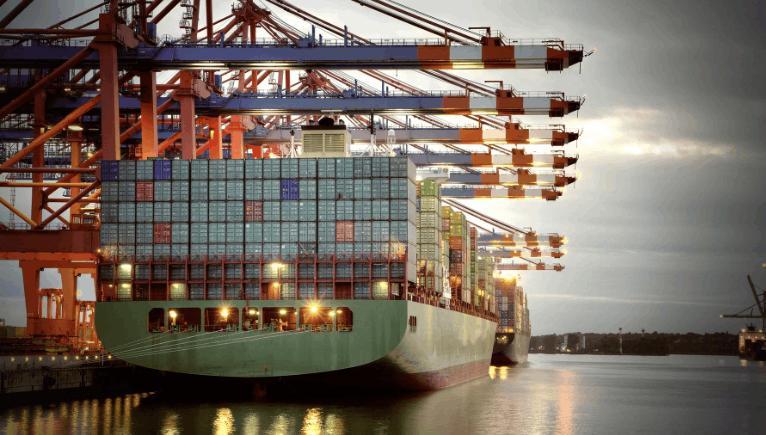
Shipping sensitive healthcare devices requires strict compliance, careful handling, and the right logistics partner. When it comes to medical equipment sea freight from China to USA, importers must understand regulations, costs, and transit times to avoid delays and penalties. This guide covers everything you need to know.
1. What Are the Main Requirements for Shipping Medical Equipment by Sea?
Medical devices must meet both Chinese export standards and U.S. FDA requirements. Additionally, compliance with HS codes, labeling, CE/FDA approvals, and correct documentation is essential. Failure to meet these standards can cause delays or seizures at customs.
2. Why Choose Sea Freight for Medical Equipment?
Although air freight is faster, sea freight is the most cost-effective for large shipments. Moreover, it offers:
- Lower cost per unit for bulky cargo.
- Flexible container options (FCL or LCL).
- Availability of temperature-controlled containers for sensitive goods.
- Reliable schedules for large-scale supply chain planning.
3. How Much Does Medical Equipment Sea Freight from China to USA Cost?
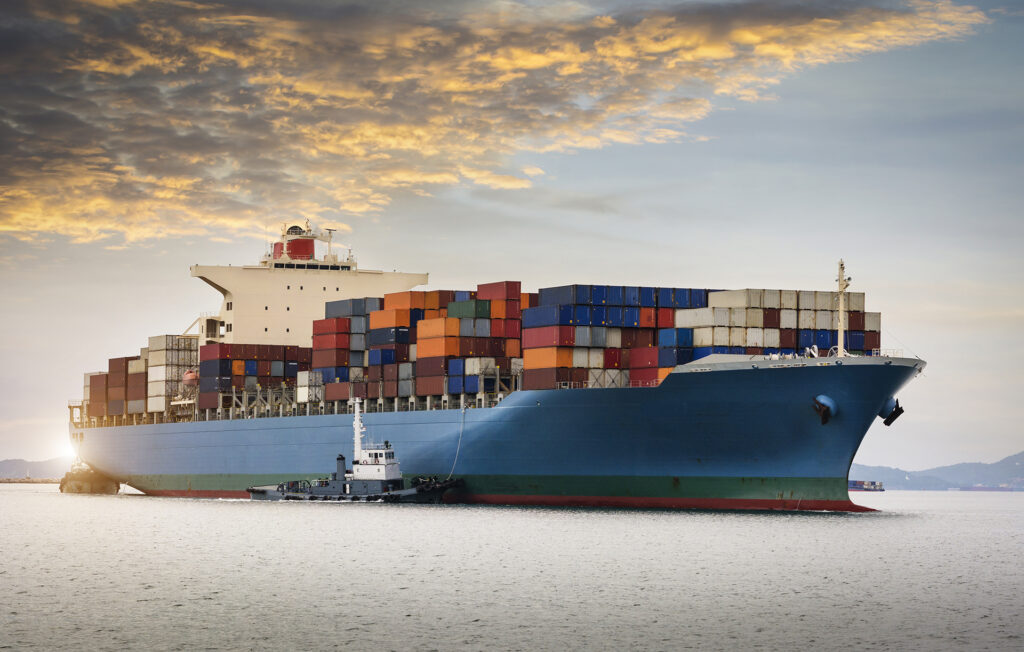
Costs depend on container size, shipping line, port of entry, and surcharges.
| Container Size | Avg. Cost (USD) | Transit Time | Best For |
|---|---|---|---|
| 20ft FCL | $2,500 – $4,000 | 25–35 days | Small/medium shipments |
| 40ft FCL | $4,500 – $6,500 | 25–35 days | Bulk equipment |
| LCL (per CBM) | $80 – $120 | 28–40 days | Smaller shipments |
Note: Prices fluctuate based on season, fuel surcharges, and carrier demand.
4. What Is the Transit Time for Sea Freight Shipments?
The average transit time ranges between 25 to 40 days depending on the shipping route and customs clearance.
| Route | Port of Origin | U.S. Port | Transit Time |
|---|---|---|---|
| Shanghai → Los Angeles | Shanghai Port | LA/Long Beach | 25–30 days |
| Shenzhen → New York | Yantian Port | New York/Newark | 35–40 days |
| Ningbo → Houston | Ningbo Port | Houston | 30–35 days |
5. What Documents Are Needed to Ship Medical Equipment?
Proper documentation ensures smooth customs clearance.
| Document | Purpose |
|---|---|
| Commercial Invoice | Lists value and details of shipment |
| Packing List | Describes contents & weight |
| Bill of Lading | Transport contract with carrier |
| FDA Approval Letter | Required for regulated medical devices |
| Importer’s EORI/Tax ID | Needed for customs clearance |
| CE Certificate (if applicable) | For EU-compliant equipment also entering U.S. |
6. Do Medical Equipment Shipments Require Special Packaging?
Yes. Packaging must ensure product safety, sterility, and compliance. Many items require:
- Temperature-controlled containers (reefers).
- Shock-resistant packaging for delicate instruments.
- Moisture-resistant materials for ocean transit.
- Clear labeling with HS code, FDA number, and medical category.
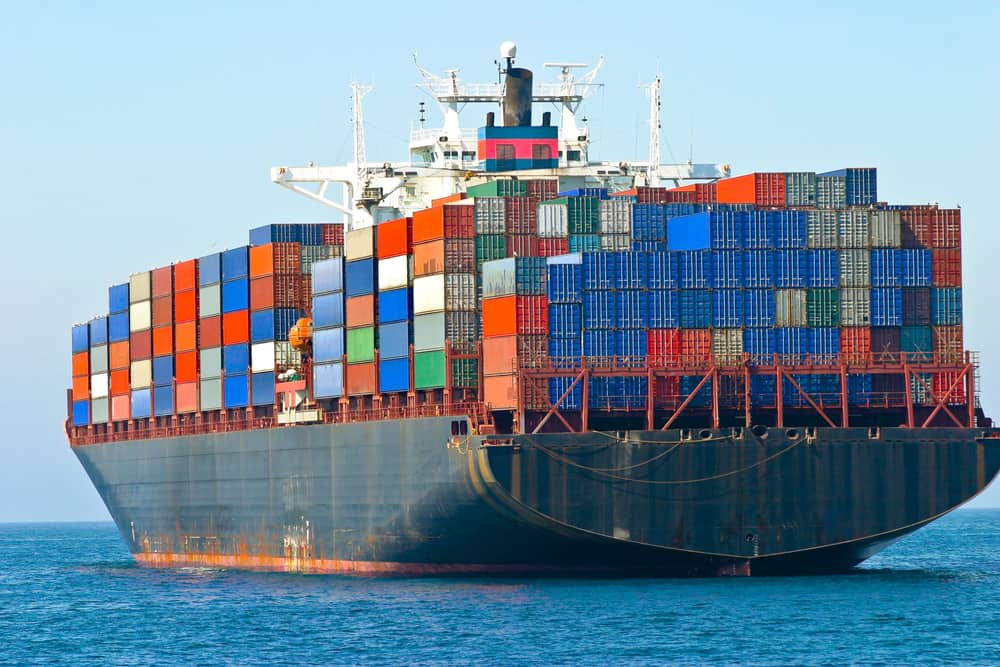
7. What Are the Pros and Cons of Sea vs. Air Freight for Medical Equipment?
| Mode | Cost | Transit Time | Pros | Cons |
|---|---|---|---|---|
| Sea Freight | Low for large shipments | 25–40 days | Economical, large capacity, reefer containers | Longer delivery, customs delays possible |
| Air Freight | High ($6–$12/kg) | 3–7 days | Fast, secure, better for urgent shipments | Expensive, limited capacity |
| Rail + Sea Multimodal | Moderate | 20–25 days | Balanced cost/time, eco-friendly | Limited routes, less flexible |
8. How Do Customs Clearance Procedures Work in the USA?
Medical imports are regulated by the FDA and U.S. Customs and Border Protection (CBP). Importers must:
- File entry with CBP.
- Submit FDA Form 2877 for medical devices.
- Provide product codes, HS codes, and device listing numbers.
- Pay duties and fees (0–5% depending on classification).
9. Can Cold Chain Services Be Applied to Medical Equipment by Sea?
Yes. Many medical devices like diagnostic machines, electronic instruments, and certain lab supplies require stable conditions. Shipping lines offer reefer containers with temperature monitoring to maintain quality during long ocean voyages.
10. Should You Use a Freight Forwarder for Medical Equipment Shipments?
Working with a specialized freight forwarder reduces compliance risks. Forwarders help with:
- Route optimization.
- FDA and CBP paperwork.
- Container booking.
- Insurance and risk management.
- Door-to-door delivery to U.S. hospitals, distributors, or warehouses.
11. Container Options for Medical Equipment
| Container Type | Capacity | Use Case |
|---|---|---|
| Standard 20ft | 28–30 CBM | Small to mid-sized shipments |
| Standard 40ft | 58–60 CBM | Bulk shipments |
| 40ft HC | 65–68 CBM | Oversized equipment |
| Reefer 40ft | 58–60 CBM | Temperature-sensitive devices |
12. Tips to Reduce Costs in Medical Equipment Sea Freight
- Consolidate shipments into FCL rather than multiple LCL.
- Book early to avoid peak season surcharges.
- Compare shipping lines for competitive rates.
- Ensure documents are accurate to avoid demurrage.
- Use bonded warehouses if delays occur.
📦Get a Free Quote
Looking for a reliable partner for medical equipment sea freight from China to USA? Our team ensures compliance with FDA and CBP, provides competitive rates, and manages end-to-end logistics so you can focus on your business. Contact us today for a tailored quote.
❓ Frequently Asked Questions
Q1: How long does medical equipment sea freight from China to USA take?
Transit usually takes 25–40 days depending on the port of origin, U.S. entry port, and customs clearance times.
Q2: What are the customs duties for medical equipment imports?
Duties range from 0–5% depending on HS codes. Some medical devices are duty-exempt under U.S. regulations.
Q3: Is insurance required for medical equipment sea freight?
Yes, cargo insurance is highly recommended due to the high value and sensitivity of medical equipment during long ocean transit.
Q4: Can small shipments be sent by sea freight?
Yes, using LCL (Less than Container Load), but costs per CBM may be higher than full containers.
Q5: What certifications are needed for medical devices?
FDA approval is mandatory. Additional documents include CE marking (if relevant), ISO certification, and product safety reports.
Conclusion
Shipping healthcare products is complex but manageable with the right preparation. By understanding medical equipment sea freight from China to USA, importers can balance cost, compliance, and reliability. Working with experienced forwarders ensures safe, timely, and compliant deliveries, making sea freight the most practical choice for large-scale shipments.