Navigating Reefer FCL Shipping Cost for Solar Panels from China to Georgia
Understanding the precise Reefer FCL shipping cost for solar panels from China to Georgia is crucial for renewable energy developers. This specialized freight solution ensures your sensitive solar equipment arrives in optimal condition. We will explore the key factors influencing these costs and provide actionable insights for efficient logistics planning.
1. What is Reefer FCL Shipping for Solar Panels?
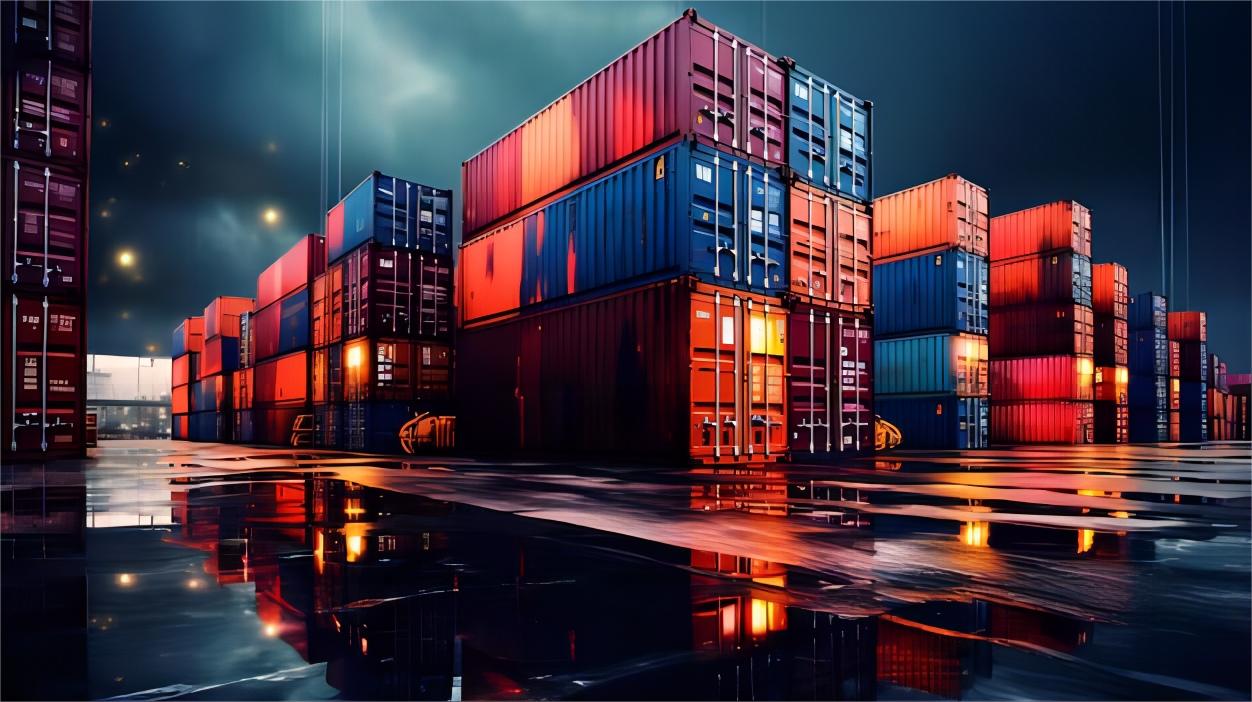
Reefer FCL (Refrigerated Full Container Load) shipping involves using temperature-controlled containers to transport goods. For solar panels, especially advanced models, maintaining a stable environment prevents damage from extreme heat or humidity during transit. Therefore, it is a critical choice for safeguarding your investment.
Choosing FCL means your cargo occupies an entire container, offering enhanced security and direct transit. This method is particularly beneficial for large volume shipments of sensitive equipment like solar panels, ensuring dedicated space and reduced handling.
2. Why Choose Reefer FCL for Solar Panels to Georgia?
Georgia’s climate can expose cargo to significant temperature fluctuations, especially during long sea voyages from China. Reefer containers mitigate these risks, protecting delicate components from thermal stress and condensation. Consequently, this ensures the longevity and performance of the solar panels upon installation.
Moreover, the direct route and dedicated container of FCL shipping minimize potential delays and transshipment risks. This streamlined process is vital for maintaining project timelines and ensuring the integrity of high-value solar panel imports into Georgia.
3. Key Factors Influencing Reefer FCL Shipping Cost for Solar Panels from China to Georgia
Several variables contribute to the overall Reefer FCL shipping cost for solar panels from China to Georgia. Understanding these elements helps in budgeting and optimizing your logistics strategy. For instance, the specific origin port in China and destination port in Georgia play a significant role.
Additionally, market demand, fuel surcharges, and seasonal fluctuations can impact freight rates. Therefore, securing a quote well in advance is always advisable to gain cost clarity.
| Cost Factor | Description | Impact on Price |
|---|---|---|
| Base Ocean Freight | Cost for transporting the container by sea. | Major component, varies by route and season. |
| Terminal Handling Charges (THC) | Fees at origin and destination ports for loading/unloading. | Standard charges, can differ by port. |
| Reefer Surcharge (RFS) | Additional cost for temperature-controlled service. | Specific to reefer containers, essential for solar panels. |
| Fuel Surcharge (BAF/ECA) | Fluctuating charge based on bunker fuel prices. | Variable, reacts to global oil prices. |
| Customs Clearance Fees | Costs for processing import/export documentation. | Mandatory, varies by complexity and broker fees. |
| Inland Transportation | Haulage from factory to port and port to final site. | Depends on distance and local infrastructure. |

4. How to Optimize Your Reefer FCL Shipping Cost?
Optimizing your Reefer FCL shipping cost for solar panels requires strategic planning and expert partnership. Consolidating shipments, whenever possible, can lead to better volume discounts, though FCL inherently implies full container use. Furthermore, early booking often secures more favorable rates and better vessel space.
Working with an experienced freight forwarder who specializes in renewable energy logistics can significantly reduce costs. They can negotiate better rates, advise on optimal routes, and streamline customs processes. This expertise is invaluable for efficient supply chain management.
| Optimization Strategy | Benefit | Consideration |
|---|---|---|
| Advance Booking | Better rates, guaranteed space. | Requires accurate planning and lead time. |
| Route Optimization | Shorter transit times, potentially lower fuel costs. | Leverage forwarder’s network and expertise. |
| Cargo Insurance | Financial protection against damage/loss. | Essential for high-value solar panels, adds minor cost. |
| Consolidation (if applicable) | Cost-sharing if multiple suppliers are near. | Less common for FCL, but possible for multi-supplier projects. |
| Negotiate Terms | Better rates with carriers/forwarders. | Requires industry knowledge or a skilled partner. |
5. Understanding Transit Times and Customs for Georgia Imports
Typical transit times for Reefer FCL shipping from major Chinese ports to Georgia’s main port, Poti, range from 25 to 40 days. However, this can vary based on the specific carrier, vessel schedule, and routing. Always factor in potential delays at transshipment hubs.

Customs clearance in Georgia requires precise documentation, including the commercial invoice, packing list, bill of lading, and sometimes a certificate of origin. Proper preparation minimizes delays and avoids additional charges. A knowledgeable freight forwarder can expertly manage this process.
Conclusion
Securing competitive Reefer FCL shipping cost for solar panels from China to Georgia is paramount for successful renewable energy projects. By understanding the cost components, optimizing logistics, and partnering with a reliable freight forwarder, you can ensure efficient and secure transportation.
China Top Freight is committed to providing transparent pricing and exceptional service for your specialized cargo needs. Let us help you navigate the complexities of international shipping with confidence and expertise.
Need a tailored shipping solution?
Ready to get a precise Reefer FCL shipping cost for your solar panels from China to Georgia? Contact China Top Freight today for a customized quote and expert logistics solutions. Our team ensures your valuable cargo arrives safely and on schedule.