

Navigating Sea Freight from China to Canada: Your Comprehensive Guide
Shipping goods from China to Canada via sea freight presents a highly cost-effective and reliable solution for businesses of all sizes. However, navigating the complexities of international logistics, from documentation to customs clearance, can be challenging. This comprehensive guide provides an in-depth look at optimizing your supply chain, ensuring smooth and efficient delivery of your cargo.

Why Choose Sea Freight from China to Canada?
Sea freight stands out as the most economical option for shipping large volumes of goods from China to Canada. This method is particularly attractive for businesses prioritizing cost efficiency over speed for their `shipping containers from China to Canada`. Consequently, it forms the backbone of many international `supply chain logistics China Canada` operations.
Compared to air freight, ocean shipping offers significantly lower `shipping costs` per unit, especially for heavy or bulky items. Moreover, it provides immense capacity, allowing for the transportation of goods ranging from raw materials to finished products. Therefore, for non-urgent shipments, `sea freight China to Canada` is often the preferred choice.
Furthermore, sea freight is generally considered a more environmentally friendly option due to lower carbon emissions per ton-mile compared to air transport. This aspect appeals to companies committed to sustainable `import/export` practices. Thus, choosing sea freight aligns with both economic and ecological objectives for many businesses.
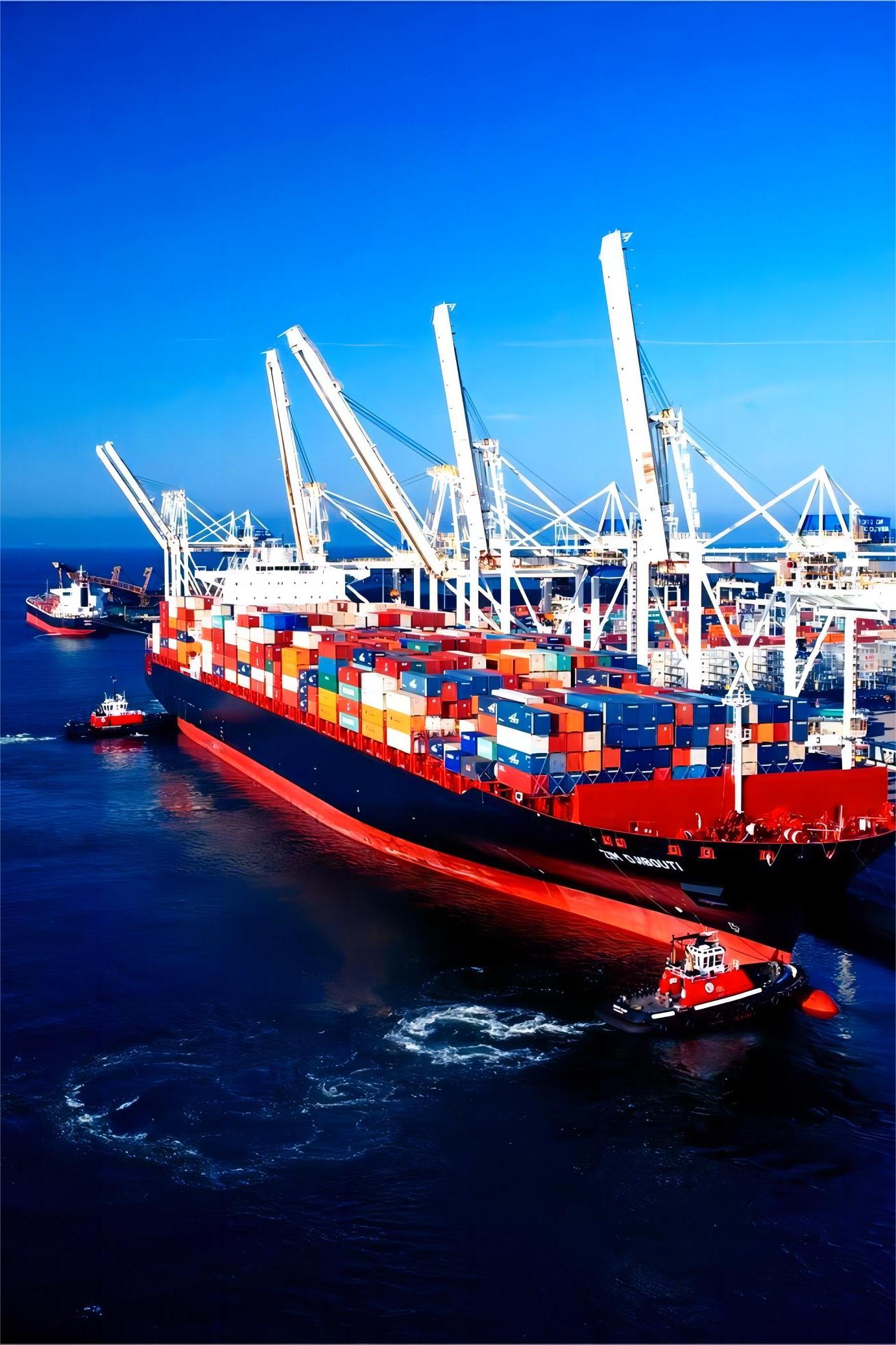
Despite longer `transit time` compared to air options, the substantial cost savings make it an invaluable component of a well-managed global `supply chain`. Businesses can plan their inventory strategically, leveraging these savings to enhance profitability. Therefore, understanding its benefits is crucial for effective international trade.
| Feature | Sea Freight | Air Freight | Rail Freight (Eurasia) |
|---|---|---|---|
| Cost | Lowest | Highest | Medium |
| Transit Time (China to Canada) | 18-35 Days | 3-7 Days | N/A (Not direct) |
| Capacity | Very High | Low | Medium |
| Environmental Impact | Lower CO2/Ton-Mile | Higher CO2/Ton-Mile | Medium |
| Ideal For | Bulk, Heavy, Non-urgent | Urgent, High-value | Specific land routes |
Understanding Sea Freight Routes and Transit Times
The journey for `sea freight China to Canada` typically involves key ports on both sides, influencing overall `transit time`. Major Chinese ports include Shanghai, Ningbo, Shenzhen, Guangzhou, and Qingdao, which serve as primary departure points. These ports handle vast quantities of cargo destined for North America.
Upon arrival in Canada, most cargo docks at major West Coast ports like Vancouver and Prince Rupert. Subsequently, goods might be transported inland via rail or truck, or continue by sea to East Coast ports such as Montreal and Halifax. Therefore, selecting the right port pair is critical for optimizing your `delivery schedule`.
Several factors can significantly impact the `transit times China to Canada sea cargo`. These include the specific route taken, prevailing weather conditions, and potential port congestion at either end. Moreover, customs clearance processes and inland transportation logistics also play a role in the final delivery timeframe.
For instance, a direct route from Shanghai to Vancouver might take less time than a route involving transshipment or multiple stops. Consequently, working with an experienced `freight forwarder China Canada` is essential to navigate these variables effectively. They can provide accurate estimates and contingency plans for your `ocean shipping rates China to Canada`.
Understanding these dynamics helps businesses manage expectations and plan their inventory more effectively. Proactive communication with your logistics partner about potential delays is always advised. Thus, a clear understanding of routes and transit variables is key to successful shipping.
| Origin Port (China) | Destination Port (Canada) | Estimated Transit Time (Port-to-Port) | Notes |
|---|---|---|---|
| Shanghai | Vancouver | 18-25 Days | Direct service |
| Ningbo | Prince Rupert | 16-22 Days | Often fastest West Coast |
| Shenzhen | Montreal | 28-35 Days | Via Panama Canal |
| Qingdao | Halifax | 30-38 Days | East Coast destination |
| Xiamen | Toronto (via Vancouver) | 25-30 Days | Includes rail transit from West Coast |

What Are the Costs Involved in Sea Freight from China to Canada?
The `cost of sea freight from China to Canada` is influenced by a multitude of factors, making it crucial for importers to understand each component. These costs typically include ocean freight charges, terminal handling fees at both origin and destination, and fuel surcharges. Furthermore, fluctuating `ocean shipping rates China to Canada` can impact your overall budget.
Beyond the basic freight charges, you’ll also encounter local charges at the port of origin, such as drayage and documentation fees. Similarly, destination charges in Canada involve customs clearance fees, import duties, and taxes. Therefore, a comprehensive quote from your `freight forwarder China Canada` is indispensable.
Another significant cost factor is the type of service chosen: Full Container Load (FCL) versus Less than Container Load (LCL). While FCL offers a flat rate per container, LCL costs are calculated based on volume or weight, often with minimum charges. Moreover, additional services like cargo insurance, warehousing, and inland transportation also contribute to the total `shipping costs`.
It is important to budget for unforeseen expenses such as demurrage or detention charges, which can arise from delays in loading or unloading containers. Consequently, clear communication with your supplier and forwarder regarding `delivery schedule` and timelines is vital. Always ask for a detailed breakdown to avoid surprises.
Understanding these various elements allows businesses to better control their `import/export` budgets and forecast expenses accurately. Hence, transparent pricing and a reliable partner are essential for managing `sea freight China to Canada` effectively.
| Cost Component | Description | Who Pays (Typically) |
|---|---|---|
| Ocean Freight | Cost for container space on vessel | Shipper/Consignee |
| Terminal Handling Charges (THC) | Loading/unloading at port | Shipper/Consignee |
| Fuel Surcharge (BAF/EBS) | Variable cost based on fuel prices | Shipper/Consignee |
| Customs Clearance Fees | Broker’s fee for customs processing | Consignee |
| Duties & Taxes | Government levies on imported goods | Consignee |
| Drayage/Haulage | Transport to/from port | Shipper/Consignee |
| Cargo Insurance | Protection against loss/damage | Shipper/Consignee (Optional) |
FCL vs. LCL: Which Shipping Method is Right for You?
Choosing between Full Container Load (FCL) and Less than Container Load (LCL) is a critical decision for `sea freight China to Canada`, depending largely on your shipment’s volume and urgency. FCL means your goods occupy an entire container, regardless of whether it’s completely full. This method offers exclusive use of the container.
Conversely, `LCL sea freight China to Canada` involves consolidating multiple smaller shipments from different senders into one container. This approach is ideal when your cargo volume is insufficient to fill a standard container. Consequently, it allows businesses to ship smaller quantities more affordably.
FCL typically offers faster `transit time` because there’s no need for consolidation or deconsolidation at port. Moreover, there’s less handling involved, which can reduce the risk of damage. Therefore, for larger shipments or those requiring tighter `delivery schedule` adherence, FCL is often preferred.
On the other hand, LCL can be more cost-effective for smaller volumes, as you only pay for the space your goods occupy. However, it usually entails longer `transit times` due to the extra steps of consolidation at origin and deconsolidation at destination. Thus, careful consideration of your shipment’s characteristics is paramount.
Ultimately, the best choice hinges on a balance between `shipping costs`, `transit time`, and the volume of your goods. Consulting with an experienced `freight forwarder China Canada` can help you determine the most suitable option for your specific `import/export` needs. They can provide tailored advice based on current `ocean shipping rates China to Canada`.
| Feature | FCL (Full Container Load) | LCL (Less than Container Load) |
|---|---|---|
| Volume | Large enough to fill container | Small, less than a container |
| Cost Calculation | Flat rate per container | Per cubic meter or weight |
| Transit Time | Generally faster | Generally slower (due to consolidation) |
| Handling Risk | Lower (less handling) | Higher (more handling) |
| Flexibility | Less flexible for small volumes | More flexible for small volumes |
| Security | Higher (sealed container) | Lower (shared container) |
Navigating Customs Clearance and Documentation for Imports to Canada
Efficient `customs clearance for imports to Canada from China` is a crucial step to ensure your `sea freight China to Canada` arrives without unnecessary delays. This process requires meticulous attention to detail and accurate `shipping documentation China to Canada`. Any discrepancies can lead to significant hold-ups and penalties.
Key documents typically include the Commercial Invoice, Packing List, Bill of Lading (B/L), and potentially a Certificate of Origin. Furthermore, depending on the nature of your goods, specific permits or licenses might be required. Therefore, thorough preparation is paramount for smooth `import/export` operations.
Engaging a licensed customs broker is highly recommended to navigate the complexities of Canadian `import regulations Canada China`. They possess expertise in tariff classifications, valuation, and compliance requirements. Consequently, their assistance can prevent costly errors and expedite the clearance process.
Importers are responsible for paying applicable duties and taxes, which are assessed based on the Harmonized System (HS) code of the goods and their declared value. Moreover, understanding Canada’s various trade agreements, such as the Canada-China Foreign Investment Promotion and Protection Agreement, can sometimes offer duty advantages. Thus, professional guidance is invaluable.
Ensuring all `shipping documentation China to Canada` is accurate and complete prior to shipment departure can significantly streamline the entire process. Proactive communication with your `freight forwarder China Canada` and customs broker is key to a seamless `delivery schedule`. This diligence helps to avoid unexpected `shipping costs`.
| Document | Purpose | Who Provides |
|---|---|---|
| Commercial Invoice | Details goods, value, seller/buyer | Seller/Exporter |
| Packing List | Details contents of each package | Seller/Exporter |
| Bill of Lading (B/L) | Contract of carriage, title to goods | Carrier/Freight Forwarder |
| Certificate of Origin | Certifies country of manufacture | Seller/Exporter/Chamber of Commerce |
| Customs Declaration | Formal declaration to customs | Customs Broker/Importer |
| Import Permits/Licenses | Required for controlled goods | Importer |
Choosing the Right Freight Forwarder for Your China-Canada Shipments
Selecting an experienced `freight forwarder China Canada` is perhaps the most critical decision for successful `sea freight China to Canada` operations. A reputable forwarder acts as your logistics partner, managing the entire shipping process from origin to destination. Their expertise can significantly streamline your `supply chain`.
Look for a forwarder with a proven track record, extensive network, and strong communication skills. Their ability to offer competitive `ocean shipping rates China to Canada` and reliable `transit times China to Canada sea cargo` is essential. Furthermore, they should be well-versed in `import regulations Canada China` and `customs clearance for imports to Canada from China`.
A good forwarder provides transparency in `shipping costs` and offers comprehensive services, including `door-to-door sea freight China to Canada` options. Moreover, they should offer cargo tracking and proactive updates, ensuring you are always informed about your shipment’s status. Thus, choosing wisely impacts your operational efficiency and peace of mind.
Tracking Your Sea Freight Shipment: From Port to Door
Effective tracking is vital for managing expectations and maintaining visibility over your `sea freight China to Canada`. Reputable `best shipping companies China to Canada` provide advanced online tracking systems, allowing you to monitor your cargo’s journey in real-time. This visibility helps you plan your inventory and local logistics more efficiently.
Your `freight forwarder China Canada` will typically provide a Bill of Lading number or container number, which can be used to track your shipment. Key milestones, such as vessel departure, port arrivals, and customs clearance status, are usually updated regularly. Consequently, you can anticipate your `delivery schedule` more accurately.
For `door-to-door sea freight China to Canada` services, tracking extends beyond port-to-port movement, covering inland transportation as well. This comprehensive oversight is crucial for businesses relying on precise `supply chain logistics China Canada`. Therefore, always confirm the tracking capabilities of your chosen forwarder.
Proactive communication from your forwarder, coupled with your own tracking efforts, ensures you are prepared for every stage of the shipment. This minimizes surprises and allows for quick responses to any unforeseen delays. Thus, robust tracking is an integral part of successful `import/export` management.
Common Challenges and Solutions in China-Canada Sea Freight
Despite its many advantages, `sea freight China to Canada` can present several challenges, including potential delays due to port congestion, adverse weather conditions, or customs inspections. Moreover, damage to cargo during transit, though rare, can also occur. Consequently, preparing for these eventualities is crucial.
To mitigate risks, consider purchasing `cargo insurance China to Canada` to protect your goods against unforeseen loss or damage. Furthermore, working with a `freight forwarder China Canada` that offers robust communication and contingency planning is essential. They can provide alternative routes or solutions in case of disruptions.
Regulatory changes in `import regulations Canada China` or `customs clearance for imports to Canada from China` can also pose challenges. Staying informed through your customs broker or forwarder is key to compliance. Therefore, choosing a partner who is up-to-date with the latest `logistics trends` is invaluable.
Proactive planning, including booking well in advance and having buffer time in your `delivery schedule`, can help absorb minor delays. Additionally, ensuring proper packaging and labeling of your `shipping containers from China to Canada` minimizes the risk of damage. Thus, a multi-faceted approach to risk management is always recommended.
Tips for Optimizing Your Sea Freight Logistics
Optimizing your `sea freight China to Canada` operations can lead to significant savings and improved efficiency. Firstly, plan your shipments well in advance, especially during peak seasons like Chinese New Year or holiday rushes. This foresight helps secure better `ocean shipping rates China to Canada` and container availability.
Secondly, always consider `cargo insurance China to Canada`. While an added `shipping cost`, it offers invaluable protection against unforeseen events, safeguarding your investment. Furthermore, understanding and correctly applying Incoterms (International Commercial Terms) clarifies responsibilities and costs between buyer and seller, preventing disputes. Therefore, comprehensive preparation is key.
Thirdly, ensure your goods are properly packaged and secured within `shipping containers from China to Canada` to prevent damage during transit. Additionally, consolidate multiple small shipments into LCL or FCL where appropriate to maximize cost-efficiency. Thus, strategic planning is essential for `how to ship goods from China to Canada` effectively.
Lastly, leverage the expertise of your `freight forwarder China Canada`. They can advise on the most efficient routes, provide insights into `logistics trends`, and help navigate complex `customs clearance for imports to Canada from China`. Their guidance is crucial for a streamlined `supply chain logistics China Canada`.
Ensuring Smooth Sea Freight from China to Canada
Navigating the complexities of `sea freight China to Canada` requires a clear understanding of costs, transit times, and regulatory requirements. By choosing the right shipping method, optimizing your `supply chain`, and partnering with an experienced `freight forwarder China Canada`, businesses can achieve significant efficiencies.
Ultimately, successful `import/export` from China to Canada hinges on meticulous planning, robust documentation, and proactive risk management. Leveraging expert guidance ensures your goods arrive safely, on schedule, and within budget, making your international trade ventures a success.
Start Your Shipment
When you are ready to streamline your `sea freight China to Canada` operations, contact China Top Freight for a personalized quote and expert guidance. Our dedicated team is here to ensure your cargo reaches its destination efficiently and cost-effectively, every time.
Request Quote