

Navigating Shipping Requirements for Machinery from China to Europe
Shipping machinery from China to Europe requires meticulous planning and adherence to strict regulations. Navigating these complexities is crucial for a smooth and cost-effective delivery. This guide from China Top Freight will detail the essential shipping requirements for machinery from China to Europe, helping you avoid delays and unexpected costs.

1. Understanding Key Documentation for Machinery Shipments
Essential documents like commercial invoices, packing lists, and bills of lading are fundamental for any international shipment. Moreover, certificates of origin and product conformity declarations are often mandatory for customs clearance. Ensuring all paperwork is accurate and complete is paramount to prevent delays.
1.1. CE Marking and Compliance
Machinery imported into the EU must adhere to CE marking directives, signifying compliance with European health, safety, and environmental protection standards. Therefore, verify that your Chinese supplier provides the necessary declarations of conformity. This is a critical shipping requirement for machinery from China to Europe.

1.2. Customs Declarations and Import Licenses
A thorough customs declaration is required at the port of entry. Furthermore, certain specialized machinery might need specific import licenses or permits, depending on its type and intended use. Consult with your freight forwarder to confirm all necessary permits.
2. Choosing the Right Shipping Method: Sea, Air, or Rail?
The selection of your shipping method significantly impacts shipping costs and transit time. Sea freight is the most economical for heavy and oversized machinery, though it has the longest transit times. Conversely, air freight offers speed but at a premium cost, suitable for urgent parts or smaller, high-value components.
| Method | Cost | Transit Time | Best For | Pros | Cons |
|---|---|---|---|---|---|
| Sea Freight | Low | 25-45 Days | Heavy/Bulky Machinery | Cost-effective | Long transit, weather delays |
| Air Freight | High | 3-7 Days | Urgent/High-Value Parts | Speed | High cost, size/weight limits |
| Rail Freight | Medium | 15-20 Days | Mid-size Machinery | Faster than sea, Cheaper than air | Limited routes, transshipment |
2.1. Considerations for Oversized and Heavy Equipment
Shipping oversized machinery often requires specialized handling, such as Flat Rack or Open Top containers, or even Breakbulk services. Additionally, detailed planning for securing the cargo and port logistics is essential. This can add to the overall logistics trends and complexity.

3. Navigating Customs Clearance and Import Duties
European customs procedures are rigorous, requiring precise classification of goods using HS codes. Moreover, import duties and VAT will be levied based on the machinery’s value and origin. Accurate documentation is vital to calculate these charges correctly.
3.1. Tariffs and Trade Agreements
Be aware of current tariffs and potential anti-dumping duties that may apply to specific machinery types from China. Understanding existing trade agreements can sometimes offer duty reductions or exemptions. Your supply chain partner can provide up-to-date information.
4. Insurance and Risk Management for Machinery Shipments
Insuring your machinery shipment is a critical step to mitigate financial risks during transit. Therefore, comprehensive cargo insurance protects against damage, loss, or theft. Discuss coverage options with your freight forwarder, considering the value of your equipment.
4.1. Packaging and Securing Your Machinery
Proper packaging is indispensable for protecting machinery from transit damage. This includes robust crating, anti-corrosion measures, and secure lashing within containers. Adequate preparation reduces the likelihood of claims and ensures safe delivery schedule.
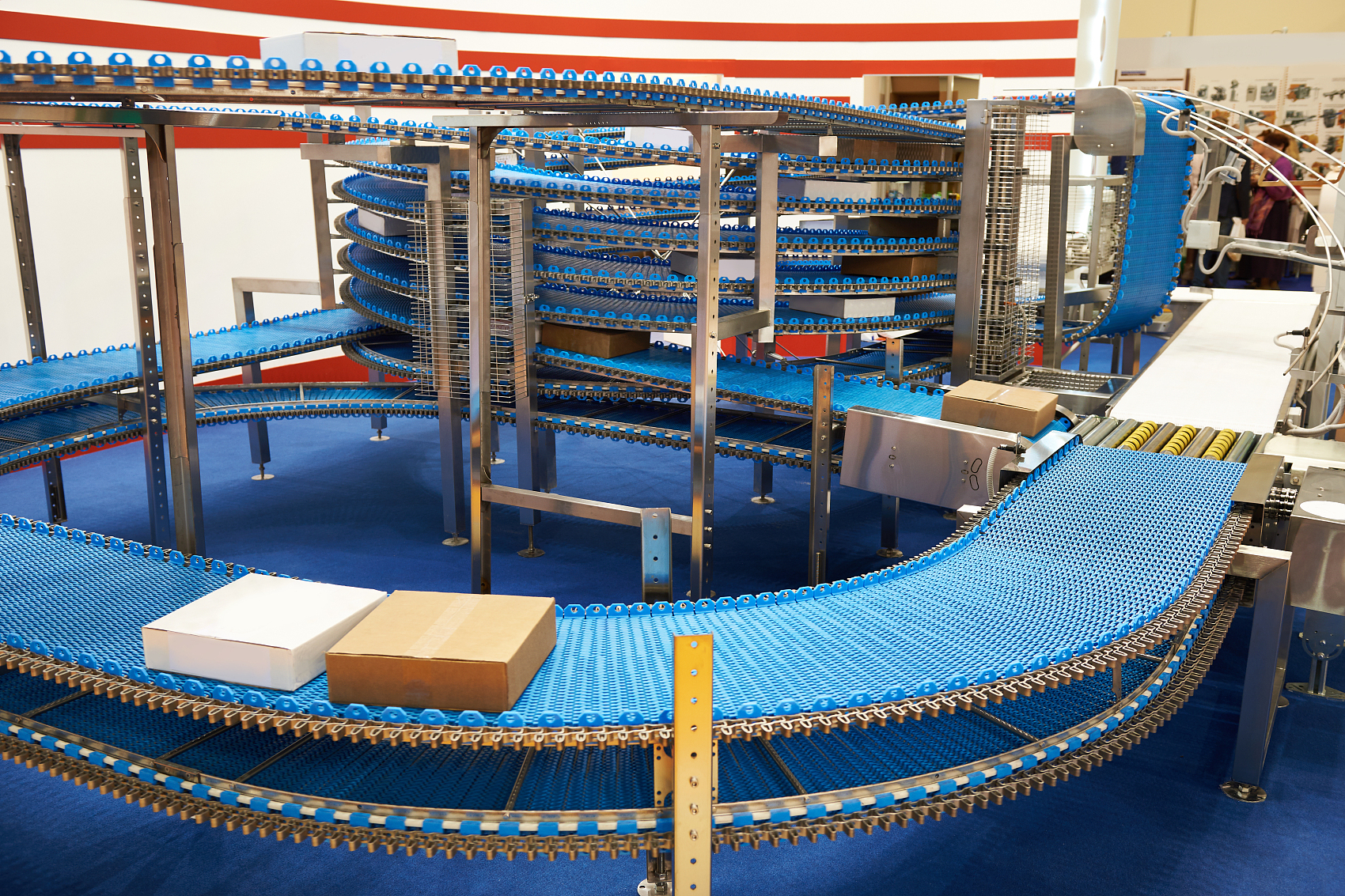
Ensuring Seamless Machinery Import from China to Europe
Successfully importing machinery from China to Europe hinges on meticulous planning and adherence to strict regulations. From comprehensive documentation and choosing the right shipping method to navigating customs and ensuring proper insurance, every step is vital. Partnering with an experienced freight forwarder is crucial for managing these shipping requirements for machinery from China to Europe effectively.
Start Your Shipment
Navigating the complex shipping requirements for machinery from China to Europe demands expertise. Don’t leave your valuable equipment to chance. Contact China Top Freight today for a personalized quote and ensure your machinery arrives safely and efficiently.
Request Quote